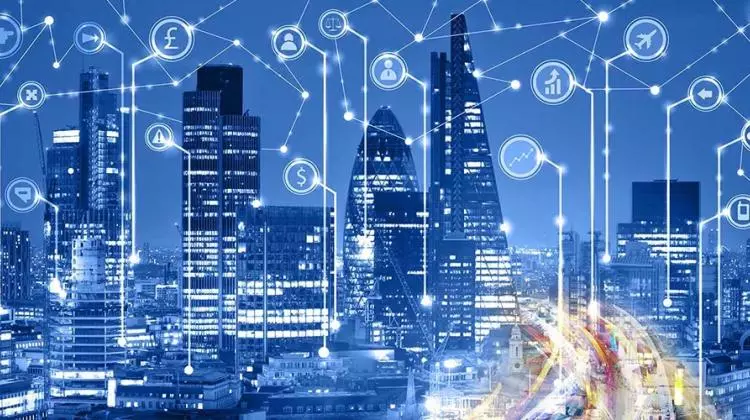
Exploring the Intersection of Data Science and Urban Design
Urban environments are expanding rapidly, and managing this growth requires smarter planning and innovative solutions. Cities are becoming more effective, sustainable, and flexible thanks to the combination of data science with urban planning.
By analyzing large volumes of data, planners can better understand how cities function and how people interact within them. This data-driven approach allows for improved infrastructure, smarter policies, and enhanced living conditions.
Many individuals begin exploring these concepts through a Data Science Course in Chennai, where they gain insights into how data can influence real-world urban development.
Data Science in the Urban Landscape
Data science focuses on collecting, processing, and analyzing data to uncover meaningful patterns. In cities, data is generated from multiple sources such as transportation systems, mobile devices, environmental sensors, and public services.
This information helps in understanding population behavior, traffic trends, and resource consumption.
With these insights, city planners can make more accurate and informed decisions. Instead of relying on assumptions, they can use evidence-based strategies to solve urban challenges.
This leads to better planning, efficient use of resources, and improved service delivery across different sectors.
Importance of Urban Design
The physical and functional characteristics of cities are shaped by urban design. It includes planning roads, buildings, public spaces, and infrastructure in a way that supports both functionality and aesthetics.
A well-designed city enhances accessibility, safety, and quality of life for its residents.
When combined with data science, urban design becomes more dynamic and responsive. Designers can create environments that adapt to real-time needs and future demands.
This combination ensures that cities are not only visually appealing but also practical and efficient.
Smarter Decision-Making with Data
One of the key advantages of integrating data science into urban design is improved decision-making. Real-time data allows planners to monitor city activities and respond quickly to changing conditions.
For example, traffic congestion can be reduced by analyzing travel patterns and adjusting signal systems accordingly.
Similarly, data on population density and movement can help in planning better public transport systems. These data-driven strategies lead to more effective urban development and long-term sustainability.
Transforming Transportation Systems
Efficient transportation is essential for any city, and data science plays a major role in improving it. By studying data from traffic cameras, GPS devices, and transit systems, cities can identify problem areas and implement solutions.
Smart transportation systems can optimize routes, reduce travel time, and improve overall connectivity. By boosting productivity and cutting down on delays, these upgrades not only ease daily travel but also support economic development.
Supporting Sustainable Development
Sustainability has become a major focus in modern city planning. Data science helps in monitoring environmental factors such as air quality, energy usage, and waste management.
This information enables planners to design eco-friendly solutions that reduce environmental impact.
Urban designers can use these insights to create green spaces, promote renewable energy usage, and improve waste management systems.
These strategies are often discussed in a B School in Chennai, where the emphasis is on combining sustainability with smart business and urban planning practices.
Smart Cities and Technological Integration
The concept of smart cities highlights the importance of using technology to improve urban living. Data science plays a central role in this transformation by enabling the collection and analysis of real-time data.
Through the use of connected devices and sensors, cities can monitor various systems such as traffic, water supply, and energy consumption. This allows for better management of resources and improved public services.
Initiatives for smart cities show how urban planning and technology may cooperate to provide more functional living environments.
Enhancing Safety and Security
Public safety is another area where data science has a significant impact. Authorities can anticipate such threats and take preventative action by examining past data and spotting trends.
This approach helps in better allocation of resources and ensures quicker response times during emergencies. Data-driven safety measures contribute to creating safer urban environments for residents.
Encouraging Community Participation
Modern urban planning also focuses on involving citizens in the decision-making process. Data collected from surveys, social platforms, and public feedback helps planners understand community needs and expectations.
This information enables the development of more inclusive and user-friendly urban spaces. When citizens are actively involved, the outcomes are more aligned with real-world requirements, leading to better satisfaction and engagement.
Read: Understanding the Role and Structure of FPX Assessments in
Challenges in Implementation
Despite its advantages, integrating data science with urban design comes with challenges. Managing large datasets requires advanced tools and skilled professionals. Data privacy and security are also major concerns that need careful handling.
Ensuring the accuracy of data and avoiding biases are equally important. For data-driven urban planning solutions to be successfully adopted, these problems must be resolved.
Future Possibilities
The future of urban design lies in continuous innovation and technological advancement. The potential of data science in urban planning will grow as methods like machine learning and artificial intelligence advance.
Cities will become more adaptive, efficient, and resilient in handling challenges such as population growth and climate change.
Many learners enhance their skills in these advanced areas by gaining knowledge from the Best Training Institute in Chennai, where they explore practical applications of emerging technologies.
The collaboration between data science and urban design is reshaping how cities are planned and managed. By leveraging data insights, urban planners can create smarter, more sustainable, and efficient environments.
From improving transportation to enhancing safety and promoting sustainability, data science is playing a key role in modern urban development.
The convergence of these sectors will become even more crucial as cities continue to expand. Embracing data-driven strategies will help build future-ready cities that offer better living standards and improved quality of life for everyone.