Every Day Dose: The Honest 2026 Mushroom Coffee Guide
If your afternoon coffee crash has become a daily ritual you'd rather skip, you're not alone. A growing number of Americans are swapping their regular brew for something gentler on the stomach and the nervous system, and "Every Day Dose" has become one of the most searched names in that shift.
Whether you found it through a friend's recommendation, a targeted ad, or a late-night search for "coffee that doesn't wreck my gut," you probably have questions before you commit your money to a subscription.
This guide breaks down what Everyday Dose Mushroom Coffee actually contains, how it differs from a regular cup, what the research says, and what to expect if you decide to try it. No fluff, no hype — just the facts you need to make an informed decision in 2026.
What Is Everyday Dose Mushroom Coffee?
Everyday Dose (sometimes searched as "Everyday Doze") is a functional coffee blend built around real coffee combined with mushroom extracts and a handful of supporting ingredients.
The goal isn't to replace coffee entirely — it's to keep the taste and ritual people love while dialing back the jitters, the crash, and the digestive discomfort that regular coffee can cause for some drinkers.
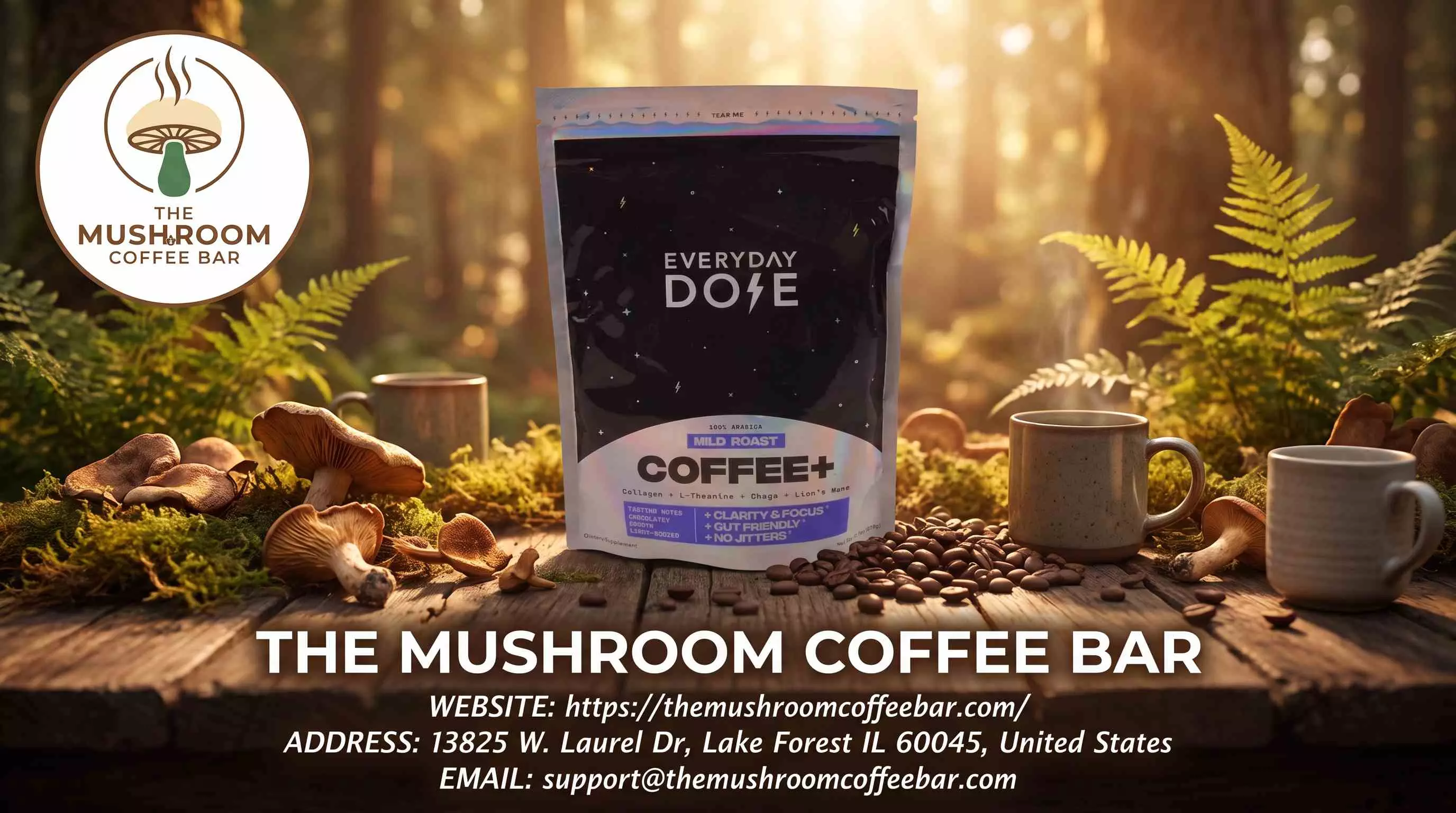
According to the brand-stated ingredient list, the blend includes hydrolyzed bovine collagen peptides, coffee, L-theanine, organic chaga fruiting body extract, and organic lion's mane fruiting body extract, listed in order by weight.
This is a meaningfully different formula from your standard drip coffee, and it's the reason so many people are curious about Everyday Dose Mushroom Coffee in the first place.
How Much Caffeine Does It Actually Have?
One of the most common questions is about caffeine content, and it's worth answering directly for anyone scanning for a quick answer: the brand states each serving contains roughly 45mg of caffeine, which is about half of what you'd get from a standard cup of coffee.
That lower dose is part of why many people report feeling more even-keeled throughout the day rather than wired and then wiped out.
The Ingredients Behind Everyday Doze
Understanding what's actually in your cup matters, especially if you're sensitive to certain compounds or just like to know what you're consuming. Here's a plain-language breakdown of each core ingredient in Everyday Dose Coffee+:
- Arabica Coffee — Provides a clean, smooth lift without the jitters associated with regular high-caffeine brews.
- L-Theanine — An amino acid known for promoting calm focus and steady energy, often paired with caffeine to smooth out its effects.
- Lion's Mane Mushroom — Used for supporting mental clarity and long-term brain health.
- Chaga Mushroom — Associated with gut-brain balance, digestion support, and immune health.
- Collagen Peptides — Included for skin hydration, hair and nail strength, and joint comfort.
Independent product analysis found that each serving contains about 1.74 grams of mushroom extract, split evenly between chaga and lion's mane, along with nearly 5 grams of amino acids sourced from the collagen peptides.
That's a meaningful dose compared to some competitors that use mushrooms more as a marketing bullet point than an actual functional ingredient.
It's worth noting: the brand's official page states Coffee+ contains no added sugar, sweeteners, soy, grains, eggs, or cocoa, which matters if you're managing allergies or following a specific eating pattern.
Is This the Same as Psychedelic Mushroom Coffee?
No — and this is a common point of confusion. Coffee+ does not contain any psychedelic mushrooms; the mushrooms used are strictly lion's mane and chaga, both of which are widely available functional fungi with no psychoactive properties.
If you've seen headlines about "magic mushroom" products and wondered whether Everyday Dose falls into that category, it doesn't.
What Does the Research Actually Say?
Marketing claims are easy to make, so it's fair to ask what independent or brand-sponsored research shows. A notable data point comes from an eight-week, three-arm study involving completers who drank the mild roast version.
Results showed a measurable difference in sleep efficiency when compared to both decaf and regular coffee drinkers, based on wearable sleep-tracking data.
That's a specific, sleep-focused outcome — not a cure-all claim — and it lines up with the lower-caffeine positioning of the product.
Context matters here too: research from the CDC's Behavioral Risk Factor Surveillance System shows that roughly a third of U.S. adults regularly get fewer than seven hours of sleep a night, with middle-aged adults hit especially hard.
If caffeine timing or sensitivity is part of your sleep struggle, a lower-dose alternative is at least worth understanding.
There's also a genetic angle that doesn't get discussed enough. Roughly half of the U.S. population carries gene variants that make them intermediate or slow caffeine metabolizers, and about one in ten people clear caffeine up to four times more slowly than average.
If you're someone who feels wired for hours after an afternoon espresso, this may explain why — and why a lower-caffeine option like Everyday Dose might sit better with your system.
Read: Best Coffee Shop Near Me: Muffin Break
Everyday Dose Coffee vs. Regular Coffee: Key Differences
Factor
Regular Coffee
Everyday Dose Coffee
Caffeine per serving
~90-100mg
~45mg
Added functional ingredients
None
Mushrooms, L-theanine, collagen
Common complaint addressed
Jitters, crash, GI upset
Designed to reduce all three
Format
Brewed grounds
Instant mix
Coffee-related digestive discomfort isn't rare, either — research published in Clinical Gastroenterology & Hepatology found that around 22% of healthy adults report coffee-induced GI symptoms, a number that jumps considerably higher among people with functional dyspepsia.
That's a real, common pain point, and it's a big part of why lower-acid, lower-caffeine alternatives have found such a dedicated audience.
What Real Customers Are Saying
Beyond the lab data, everyday experience matters. One recurring theme in customer feedback is the reduction in the classic midday crash.
As one reviewer put it, drinking the coffee left her feeling guilt-free, focused, and steady with sustained energy rather than the usual afternoon slump. Another described finally shaking off the morning brain fog that used to linger for hours after waking.
Of course, no product works identically for everyone, and individual results vary based on diet, sleep, and overall health.
The brand reports a large volume of customer reviews with a strong average rating, though it's always smart to weigh brand-reported statistics alongside independent reviews before subscribing.
Pricing, Subscriptions, and What to Know Before You Buy
Everyday Dose is typically sold through a subscription model, with discounts available for recurring orders. A few practical things worth knowing:
- Subscriptions often come with a money-back guarantee window on the first order, so read the fine print on timing before you commit.
- Some subscription plans require a minimum commitment period before cancellation, which can catch first-time buyers off guard.
- The product is also available through major retail marketplaces, though the full product lineup (kits, accessories, bundles) is usually only available directly through the brand's own site.
- HSA/FSA payment options may be available depending on your provider, which can lower your effective cost if you qualify.
If you're mushroom-curious but budget-conscious, starting with a smaller trial size before committing to a long-term subscription is generally the safer move.
Frequently Asked Questions
Is Everyday Dose actually coffee, or just mushroom powder?
It's real coffee — specifically coffee bean extract — combined with mushroom extracts and supporting ingredients. It's not a coffee substitute; it's a modified coffee blend.
How much caffeine is in Everyday Dose compared to regular coffee?
Roughly 45mg per serving, compared to 90-100mg in a standard cup, making it about half the caffeine of regular coffee.
Can I drink Everyday Dose while pregnant or breastfeeding?
Some customers report doing so after their doctor reviewed the ingredient list. Since this involves personal health circumstances, it's best to check with your own physician rather than rely on general product marketing.
Does Everyday Dose contain psychedelic mushrooms?
No. It uses lion's mane and chaga, both non-psychoactive functional mushrooms with no relation to psilocybin or other psychedelic compounds.
Will Everyday Dose stop my coffee crash completely?
Individual results vary. The lower caffeine dose and added L-theanine are designed to smooth out energy levels, and many users report less of a crash, but this isn't a guaranteed or universal outcome.
Final Thoughts
Everyday Dose the Mushroom Coffee occupies a specific niche: people who love the ritual of coffee but are tired of the crash, the jitters, or the stomach discomfort that can come with a regular cup.
With a transparent (if not fully dosage-specific) ingredient list, some early clinical data on sleep efficiency, and a large base of customer feedback, it's a reasonable option to explore if that description fits you.
If you're ready to see whether a lower-caffeine, mushroom-based coffee fits your routine better than your current brew, start with a small trial size, track how you feel over two to three weeks, and decide from there whether a full subscription makes sense for your lifestyle and budget.