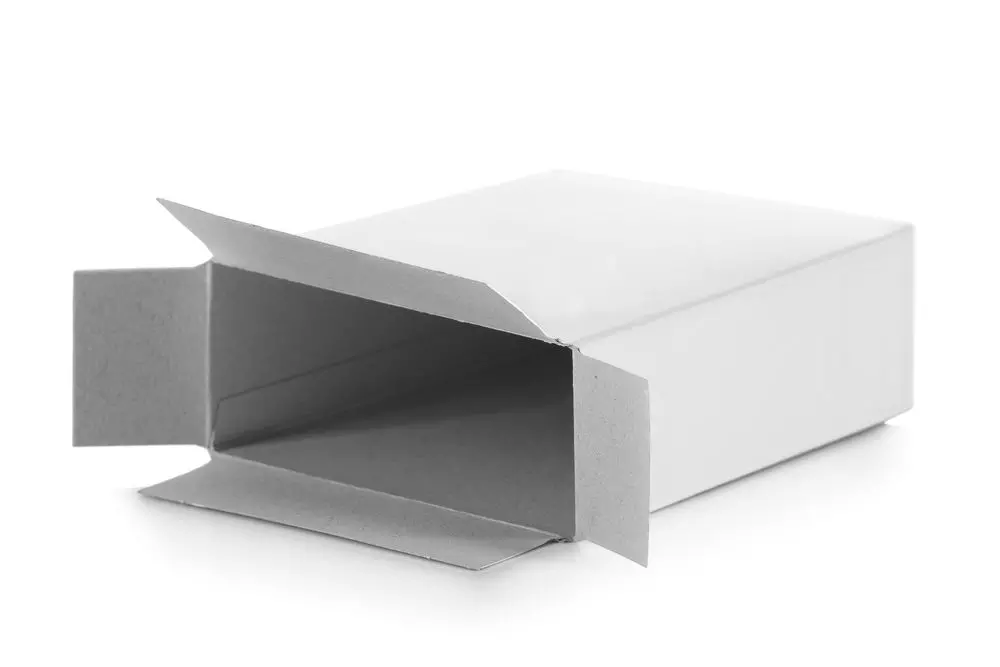
Empty Cereal Boxes: Materials, Uses, and the Best Choices for Packaging
Empty cereal boxes may look simple, but their material, thickness, printing surface, and structure all play an important role in cereal packaging. A cereal box has to remain lightweight while providing enough strength to protect the inner bag during storage, transportation, and retail display.
Most empty cereal boxes are made from paper-based materials because they are easy to print, cut, fold, glue, store, and recycle.
However, not every type of paperboard is equally suitable. Some materials provide an excellent printing surface but cost more, while others are economical but may not offer the same appearance or durability.
Understanding the different materials used for empty cereal boxes makes it easier to select packaging according to product weight, printing requirements, budget, and sustainability goals.
What Are Empty Cereal Boxes Made Of?
The standard material for empty cereal boxes is paperboard. Although people often call it cardboard, packaging manufacturers normally use more specific terms such as paperboard, folding boxboard, solid bleached sulfate board, recycled paperboard, or kraft board.
A typical cereal package consists of two parts. The outer folding carton provides structure, branding, nutritional information, and shelf presentation. An inner sealed bag usually holds the cereal and provides greater protection against moisture and outside contaminants.
This means the outer empty cereal boxes do not normally need the same barrier properties as packaging that directly touches food.
According to Wikipedia, folding cartons are generally made from paperboard that is printed, cut, folded, and glued into the required packaging shape.
Best Materials for Empty Cereal Boxes
Several paperboard grades can be used for cereal packaging. The right option depends on the desired appearance, strength, printing method, and cost.
1. Solid Bleached Sulfate Board
Solid Bleached Sulfate, commonly called SBS, is one of the higher-quality materials available for empty cereal boxes.
It is made primarily from bleached virgin wood fibers and normally has a smooth white surface. This makes SBS suitable for detailed graphics, bright colors, nutritional information, logos, and product photography.
Its clean surface works particularly well with offset and digital printing.
SBS also provides good folding strength, which is important because cereal cartons need multiple folds without cracking along the crease.
The main disadvantage is cost. SBS is generally more expensive than recycled board, so it may not always be the first choice for high-volume, budget-focused cereal packaging.
2. Folding Boxboard
Folding boxboard, or FBB, is another favorite material for empty cereal boxes.
It is a lightweight multi-layer paperboard designed specifically for folding cartons. FBB combines stiffness with relatively low weight, making it useful when manufacturers want to reduce packaging material without producing a weak carton.
Its smooth outer surface also supports detailed printing.
For brands that need lightweight retail packaging with good shelf presentation, folding boxboard offers a useful balance between appearance, strength, and material efficiency.
3. Recycled Paperboard
Recycled paperboard is widely considered when cost and recycled content are important.
It can contain a significant percentage of recovered paper fibers. The outer side may have a coated white surface for printing, while the inside can have a grayish appearance because of the recycled fibers.
Recycled board is often less expensive than premium virgin-fiber board.
However, its surface and structural consistency may vary depending on the grade. Lower-quality recycled board can sometimes have a rougher appearance and may not reproduce fine graphics as clearly as premium SBS.
For simple empty cereal boxes with moderate printing requirements, recycled paperboard can still be a practical material.
Good and Bad Materials for Empty Cereal Boxes
Material
Good Points
Bad Points
SBS Paperboard
Smooth, strong and excellent for printing
Higher material cost
Folding Boxboard
Lightweight, stiff and easy to fold
Quality varies by grade
Recycled Paperboard
Economical and contains recycled fibers
Less premium appearance
Corrugated Board
Strong and protective
Too bulky for most retail cereal boxes
Plastic-Coated Board
Better moisture resistance
More difficult to recycle

Kraft Board for Empty Cereal Boxes
Kraft paperboard can give empty cereal boxes a more natural brown appearance.
Unlike bright white SBS, kraft board has a recognizable earthy color. Some businesses intentionally use this appearance to support simple, natural-looking packaging designs.
Black ink, dark colors, minimalist illustrations, and simple typography can work especially well on kraft cereal cartons.
However, printing bright or very accurate colors directly onto brown kraft material can be challenging. White ink or an additional white printing layer may be required when a design needs bright colors.
This can increase printing complexity.
Kraft board is therefore most suitable when its natural appearance is part of the packaging design instead of something that needs to be completely covered.
Read: Best Ways to Recycle Plain Cereal Boxes Sustainably
Why Corrugated Board Is Usually Not the First Choice
Corrugated fiberboard is much stronger than standard paperboard, but that does not automatically make it better for empty cereal boxes.
Corrugated material consists of liners with a fluted layer between them. This construction provides excellent compression and shipping strength.
For individual cereal cartons, however, corrugated board is normally unnecessarily thick.
It takes up more shelf space, uses more material, and does not provide the same smooth folding-carton appearance as standard paperboard.
Corrugated boxes are better suited to master cartons that carry several cereal packages during shipping.
Standard paperboard remains the more practical material for individual retail cereal boxes.
Why Material Thickness Matters
Selecting a material is only part of the process. The thickness or caliper of the paperboard also affects how empty cereal boxes perform.
If the board is too thin, the carton can bend, crush, or lose its shape when stacked.
If it is unnecessarily thick, the packaging becomes heavier and more expensive without providing a meaningful benefit.
The ideal thickness depends on several factors, including:
- Overall dimensions of the cereal box
- Weight of the cereal inside
- Carton structure
- Storage requirements
- Shipping conditions
- Printing and finishing requirements
A larger family-size cereal carton may require greater stiffness than a small single-serving package.
Printing on Empty Cereal Boxes
Material selection has a major impact on printing quality.
Cereal packaging normally includes colorful graphics, product names, ingredients, nutrition facts, barcodes, preparation instructions, and marketing information. All of these elements need to remain readable.
Smooth coated paperboard provides one of the best surfaces for detailed printing.
Offset printing can be suitable for large production quantities, while digital printing can be useful for shorter production runs, prototypes, or multiple artwork versions.
Additional finishes such as gloss coating, matte coating, spot UV, embossing, or foil may also be applied depending on the design.
However, finishes should be selected carefully because unnecessary coatings or laminates can make paperboard recycling more complicated.
Sustainability of Empty Cereal Boxes
Paperboard remains popular partly because many cereal cartons can be recovered through paper recycling systems when they are clean and free from problematic coatings.
Using recycled fibers can reduce demand for virgin material, while lightweight carton designs can reduce the total amount of packaging required.
Another consideration is box sizing.
Oversized empty cereal boxes require more paperboard and take up additional space during transportation and storage. Choosing dimensions that closely match the required cereal volume can help reduce unnecessary material use.
Manufacturers can also consider responsibly sourced paper fibers and avoid excessive plastic lamination when it is not required.
Choosing the Right Material
There is no single material that works for every cereal product.
For premium graphics and a clean white appearance, SBS paperboard is often a strong choice.
Folding boxboard works well when manufacturers need stiffness without excessive weight. Recycled paperboard can be suitable when affordability and recycled content are priorities.
Kraft board works particularly well for natural-looking designs, while corrugated material is generally better reserved for shipping cartons instead of standard retail cereal packages.
When selecting materials for empty cereal boxes, businesses should consider printing quality, carton strength, product weight, cost, storage conditions, recycling requirements, and overall packaging appearance.
The best cereal box does not simply use the thickest or most expensive board.
It uses enough material to protect the product, maintain its shape, display the required information clearly, and perform efficiently throughout storage, transportation, and retail display.