Eczema and Athlete’s Foot: Causes, Symptoms, and Effective Treatments
Introduction
Dealing with itchy, irritated skin can be frustrating, especially when you’re unsure whether it’s eczema and athlete’s foot. Both conditions cause discomfort but have different causes and treatments. Understanding the differences can help you manage symptoms effectively. So, let’s dive into what sets them apart and how to treat them!
What Is Eczema?
Eczema (atopic dermatitis) is a chronic skin condition that makes your skin dry, red, and extremely itchy. It’s common in children but can affect adults too. There are several types, including contact dermatitis and dyshidrotic eczema, each with unique triggers.
What Is Athlete’s Foot?
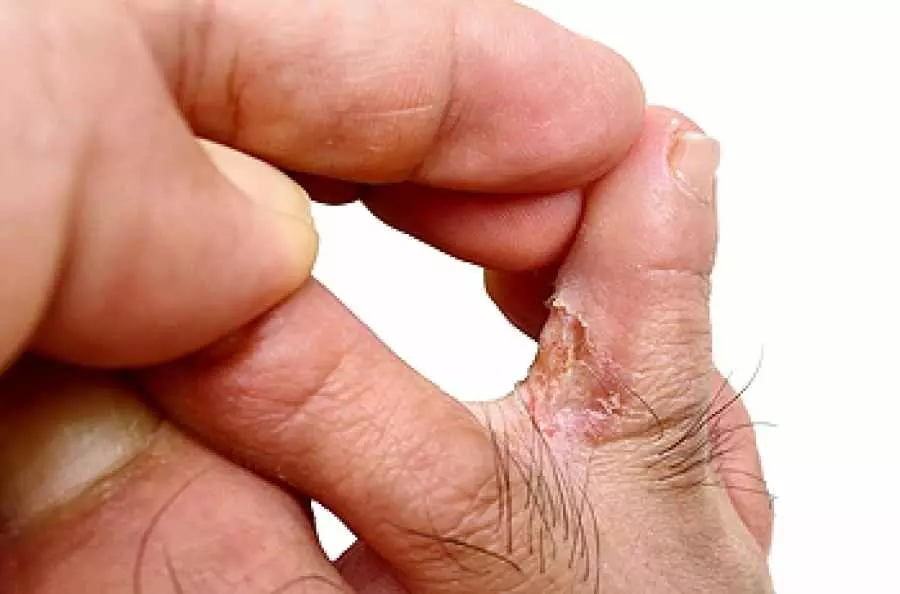
Unlike eczema, athlete’s foot (tinea pedis) is a fungal infection. It thrives in warm, moist environments like sweaty shoes or public showers. If you’ve noticed peeling skin between your toes, chances are it’s this pesky fungus.
Key Differences Between Eczema and Athlete’s Foot
- Causes: Eczema is linked to genetics and immune responses, while athlete’s foot is caused by fungi.
- Symptoms: Eczema leads to dry, scaly patches, whereas athlete’s foot causes cracking, burning, and sometimes blisters.
Causes of Eczema
Eczema often runs in families and is triggered by:
- Irritants (soaps, detergents)
- Allergens (pollen, pet dander)
- Stress and weather changes
Causes of Athlete’s Foot
This infection spreads through:
- Direct contact with contaminated surfaces
- Wearing damp socks/shoes
- Weak immune systems
Symptoms of Eczema
Look out for:
- Intense itching (especially at night)
- Red or brownish patches
- Swelling and oozing in severe cases
Symptoms of Athlete’s Foot
Common signs include:
- Itchy, scaly rash between toes
- Burning sensation
- Foul odor from infected skin
How Are They Diagnosed?
- Eczema: Doctors examine skin and may conduct allergy tests.
- Athlete’s foot: A skin sample is checked under a microscope for fungi.
Effective Treatments for Eczema
- Moisturize daily with fragrance-free cream to avoid irritation.
- Topical steroids reduce inflammation.
- Avoid triggers like harsh soaps and extreme temperatures.
Effective Treatments for Athlete’s Foot
- Antifungal creams (clotrimazole, terbinafine)
- Oral antifungals for stubborn cases
- Keep feet dry and change socks frequently
Home Remedies and Prevention Tips
- For eczema: Try coconut oil or oatmeal baths.
- For athlete’s foot: Use tea tree oil and wear breathable footwear.
When to See a Doctor
Seek help if:
- Symptoms worsen despite treatment
- You notice signs of infection (pus, fever)
Can Eczema and Athlete’s Foot Occur Together?
Yes! If you have eczema, cracked skin can invite fungal infections. Treat both with antifungals and fragrance-free moisturizers.
Conclusion
Both eczema and athlete’s foot can disrupt daily life, but with the right care, they’re manageable. Identify symptoms early, follow treatment plans, and maintain good hygiene. If in doubt, consult a dermatologist!
FAQs
Can eczema and athlete’s foot appear in the same area?
Yes, eczema can make skin vulnerable to fungal infections.
Is athlete’s foot contagious?
Absolutely! Avoid sharing towels or walking barefoot in public areas.
What’s the best fragrance-free cream for eczema?
Look for ceramide-based creams like CeraVe or Vanicream.
How long does it take to treat athlete’s foot?
Mild cases clear in 1-2 weeks; severe infections may take a month.
Can stress worsen eczema symptoms?
Yes, stress triggers flare-ups, so relaxation techniques help.