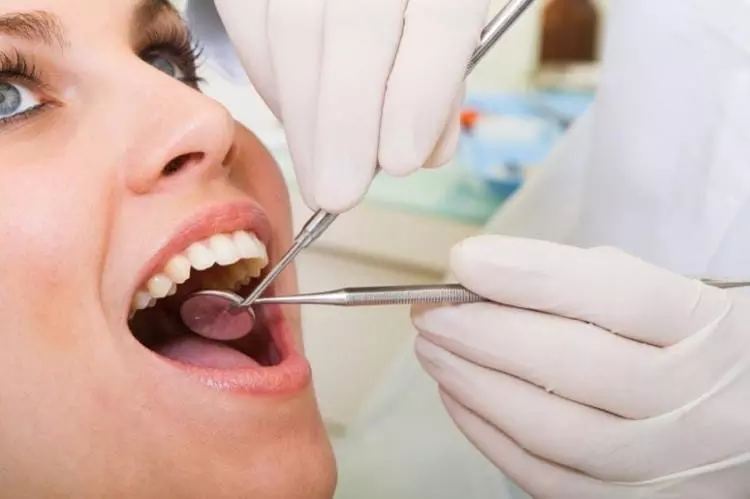
Dental Treatment: Complete Dental Care for Healthy Teeth and Gums
Maintaining healthy teeth and gums is an important part of overall health and daily well-being.
Dental treatment helps prevent oral health problems, identify concerns at an early stage, and restore the function and appearance of teeth when problems occur.
At Smart Healthcare Polyclinic, we provide professional dental care designed to meet the needs of children, adults, and families in a comfortable clinical environment.
Our dental services cover routine checkups, preventive care, restorative procedures, cosmetic dentistry, and other treatments based on individual oral health needs.
We focus on careful assessment, appropriate treatment planning, and clear guidance so patients can make informed decisions about their dental health.
Located in Al Jaddaf, Dubai, United Arab Emirates, Smart Healthcare Polyclinic provides convenient access to professional healthcare and dental services.
Our clinic is open Monday to Sunday, from 8 am to 10 pm, allowing patients to arrange dental appointments around their work, school, and personal schedules.
What Is Dental Treatment?
Dental treatment includes professional services used to prevent, diagnose, manage, and treat conditions affecting the teeth, gums, and surrounding oral structures.
Dental care is not limited to treating tooth pain. Regular dental visits can help identify early signs of cavities, gum disease, enamel problems, infections, and other oral health concerns.
Depending on the patient's condition, dental treatment may include dental examinations, professional teeth cleaning, fillings, fluoride treatments, dental X-rays, cosmetic procedures, restorative dentistry, pediatric dental care, and other appropriate services.
The right treatment depends on the condition of the teeth and gums, the patient's age, oral hygiene, medical history, symptoms, and individual treatment goals.
Importance of Regular Dental Checkups
Regular dental checkups are one of the most important parts of maintaining good oral health.
Some dental problems can develop without causing noticeable pain during their early stages. A professional examination can help identify these issues before they become more complicated.
During a dental checkup, the dentist can examine the teeth and gums for signs of decay, inflammation, plaque buildup, gum problems, damaged fillings, tooth wear, and other concerns.
Regular appointments also provide an opportunity to discuss oral hygiene, brushing techniques, flossing, diet, sensitivity, bad breath, and other dental concerns.
Early detection can make treatment simpler and may help prevent minor dental issues from developing into more serious problems.
Professional Teeth Cleaning
Daily brushing and flossing are essential, but they may not remove all hardened deposits from the teeth. Professional teeth cleaning, also known as scaling and polishing, helps remove plaque and tartar that can accumulate around the teeth and gumline.
Scaling removes hardened deposits, while polishing helps clean surface stains and leaves the teeth feeling smoother.
Professional cleaning can support healthier gums and improve overall oral hygiene. Regular cleaning may also help reduce the buildup that contributes to gum inflammation and unpleasant breath.
Patients should continue brushing twice a day and cleaning between their teeth as recommended by their dental professional after receiving a professional cleaning.
Dental Fillings for Tooth Decay
Tooth decay can occur when acids produced by oral bacteria gradually damage the tooth structure. If decay is detected, a dental filling may be recommended to restore the affected area.
The dentist first removes the damaged portion of the tooth and then restores the area using an appropriate filling material. The goal is to preserve as much healthy tooth structure as possible while restoring the tooth's function.
Treating cavities at an early stage may help prevent further damage and reduce the likelihood of more extensive treatment.
Dental X-Rays and Diagnosis
Some dental problems cannot be fully evaluated by looking at the visible surface of the teeth. Digital dental X-rays can help dentists examine areas that are not easily visible during a routine examination.
Depending on the patient's symptoms and dental history, X-rays may help identify hidden decay, problems around tooth roots, bone changes, impacted teeth, or other conditions.
The dentist determines whether an X-ray is appropriate based on the patient's individual needs rather than performing unnecessary imaging.
Preventive Dental Treatment
Prevention is a major part of modern dental care. Preventive treatment focuses on reducing the risk of cavities, gum disease, enamel damage, and other oral health problems.
Preventive dental care may include:
- Routine dental examinations
- Professional teeth cleaning
- Fluoride treatments
- Dental sealants when appropriate
- Oral hygiene education
- Dietary and dental health guidance
- Regular monitoring of existing dental concerns
Good preventive care can help patients maintain their natural teeth and avoid unnecessary complications.
Fluoride Treatment
Fluoride is a naturally occurring mineral that can strengthen tooth enamel and help protect teeth against decay. A professional fluoride treatment may be recommended for patients who have an increased risk of cavities or require additional protection.
Fluoride treatment is particularly useful as part of preventive dental care for children and certain adults.
The dentist can determine whether fluoride treatment is appropriate based on factors such as age, oral hygiene, dietary habits, cavity history, and overall dental health.
Dental Sealants
Dental sealants are protective coatings that can be applied to the chewing surfaces of certain teeth. These surfaces often contain grooves and pits where food particles and plaque can collect.
Dental sealants can provide an additional protective barrier and may help reduce the risk of decay in appropriate patients.
Sealants are often considered for children and teenagers, although adults may also benefit depending on their individual dental needs.
Pediatric Dental Treatment
Children require specialized attention because their teeth and jaws are continuously developing. Establishing good oral hygiene habits early can help support lifelong dental health.
Pediatric dental care may include regular checkups, professional cleaning, fluoride treatment, dental sealants, cavity assessment, and age-appropriate oral hygiene education.
Parents should encourage children to brush their teeth regularly and maintain healthy eating habits. Routine dental appointments can also help children become comfortable with professional dental care.
Early dental visits allow potential problems to be identified and managed before they become more complicated.
Cosmetic Dental Treatment
A healthy smile can also contribute to confidence and self-esteem. Cosmetic dentistry focuses on improving the appearance of teeth while considering their function and overall oral health.
Depending on the patient's needs, cosmetic dental care may involve procedures such as professional teeth whitening, aesthetic restorations, and other appropriate treatments.
A dental assessment should be completed before cosmetic treatment to identify existing oral health problems that may need attention first.
Professional Teeth Whitening
Teeth can become darker or develop surface stains due to factors such as food, beverages, tobacco use, aging, and certain medications.
Professional teeth whitening can help improve the appearance of stained or discolored teeth. The appropriate whitening approach depends on the patient's dental condition and the type of discoloration.
Professional assessment is important because whitening may not be suitable for every patient. Existing cavities, gum problems, cracked teeth, or significant sensitivity may need to be addressed before cosmetic whitening.
Restorative Dental Treatment
Restorative dentistry focuses on repairing teeth that have been damaged by decay, injury, wear, or other conditions.
Depending on the extent of damage, restorative treatment may involve fillings, crowns, or other procedures. The dentist evaluates the affected tooth and recommends an appropriate option based on its condition.
The goal of restorative dental treatment is to restore tooth function, protect remaining tooth structure, and support long-term oral health.
Dental Crowns
A dental crown is a restoration designed to cover and protect a damaged or weakened tooth. Crowns may be considered when a tooth has lost significant structure and requires additional support.
Modern dental technology allows dentists to plan restorations with attention to fit, function, appearance, and the patient's individual needs.
CAD-CAM dental technology can also be used in appropriate cases to support the design and fabrication of dental restorations.
Treatment for Tooth Pain
Tooth pain should not be ignored. Pain can result from several different causes, including tooth decay, infection, cracked teeth, gum problems, sensitivity, trauma, or other dental conditions.
The appropriate treatment depends on identifying the underlying cause. Taking pain medication may temporarily reduce discomfort but does not necessarily resolve the dental problem.
Patients experiencing persistent, severe, or recurring tooth pain should seek a professional dental examination.
Treatment for Gum Problems
Healthy gums are an essential part of good oral health. Symptoms such as bleeding gums, swelling, redness, tenderness, persistent bad breath, or gum recession can indicate an underlying problem.
Early gum problems may sometimes be managed with improved oral hygiene and professional cleaning. More advanced conditions may require additional dental treatment.
Regular dental examinations can help monitor gum health and identify problems before they progress.
Read: Signs You May Need A Dental Bridge For Missing Teeth
Emergency Dental Care
Some dental situations require prompt professional attention. Severe toothache, dental trauma, broken teeth, swelling, or other sudden symptoms should be assessed by a dental professional.
A dental emergency does not always mean that the tooth must be removed. Depending on the cause and condition, treatment may focus on controlling pain, treating infection, repairing damage, or preserving the natural tooth whenever possible.
If a dental problem develops suddenly or symptoms are severe, contacting a dental clinic for professional guidance is recommended.
Dental Treatment for Adults
Adults can experience a wide range of dental concerns throughout life. Previous fillings may need replacement, teeth can become worn, gums may become more vulnerable to disease, and cosmetic concerns may become more noticeable.
Regular adult dental care can help maintain natural teeth and address problems at an appropriate stage.
Routine checkups, professional cleaning, restorative treatment, and preventive care can all contribute to healthier teeth and gums.
Dental Treatment for Families
Family dental care makes it easier for different members of a household to maintain regular oral health appointments. Children, teenagers, adults, and older patients may each have different dental needs.
A family-focused approach can help establish consistent oral hygiene habits and encourage preventive dental care.
At Smart Healthcare Polyclinic, patients can discuss their individual dental concerns and receive recommendations based on their age, oral health, and treatment requirements.
How to Maintain Good Oral Health at Home
Professional dental treatment works best when combined with consistent daily oral hygiene.
Patients should generally brush their teeth twice a day using fluoride toothpaste and clean between the teeth regularly. Limiting frequent sugary foods and drinks can also help reduce the risk of tooth decay.
Replacing toothbrushes when they become worn and following professional recommendations can further support oral health.
Regular dental checkups remain important even when the teeth appear healthy because some dental conditions may not cause noticeable symptoms during their early stages.
Why Choose Smart Healthcare Polyclinic for Dental Treatment?
At Smart Healthcare Polyclinic, we understand that every patient has different dental needs. Our approach focuses on professional evaluation, preventive care, appropriate treatment planning, and patient comfort.
Our dental services are designed to support both routine oral healthcare and the management of common dental concerns. We aim to make dental visits convenient for individuals and families seeking professional care in Al Jaddaf, Dubai.
Our extended opening hours from 8 am to 10 pm, Monday through Sunday, provide flexibility for patients who may find it difficult to schedule appointments during standard working hours.
When Should You Visit a Dentist?
A dental appointment is recommended when you experience symptoms such as tooth pain, sensitivity, bleeding gums, swelling, broken teeth, persistent bad breath, or changes in the appearance of your teeth.
However, patients should not wait for symptoms before visiting a dentist. Regular preventive dental appointments can help identify potential problems before they cause significant discomfort.
If it has been a long time since your last dental checkup, scheduling an examination can be a useful step toward maintaining your oral health.
Book Your Dental Treatment Appointment
Healthy teeth and gums require consistent care, professional monitoring, and timely treatment when problems develop.
From routine dental checkups and teeth cleaning to fillings, fluoride treatments, pediatric dental care, cosmetic dentistry, and restorative procedures, professional dental services can help protect your smile and support long-term oral health.
At Smart Healthcare Polyclinic, we provide professional dental treatment in Al Jaddaf, Dubai, United Arab Emirates, with convenient opening hours throughout the week.