Signs You May Need A Dental Bridge For Missing Teeth
Losing a tooth can affect much more than the appearance of your smile. A missing tooth may change the way you chew, speak, and feel about your overall dental health.
Some people delay replacing missing teeth because they do not experience immediate pain. However, leaving a gap untreated can create changes in your bite and may affect the surrounding teeth over time.
Modern dentistry offers several options for restoring missing teeth, and dental bridges are one of the commonly used solutions for patients who want to improve both function and appearance.
Understanding how dental bridges work, when they are recommended, and what benefits they provide can help you make a more informed decision about your oral health.
What Is A Dental Bridge?
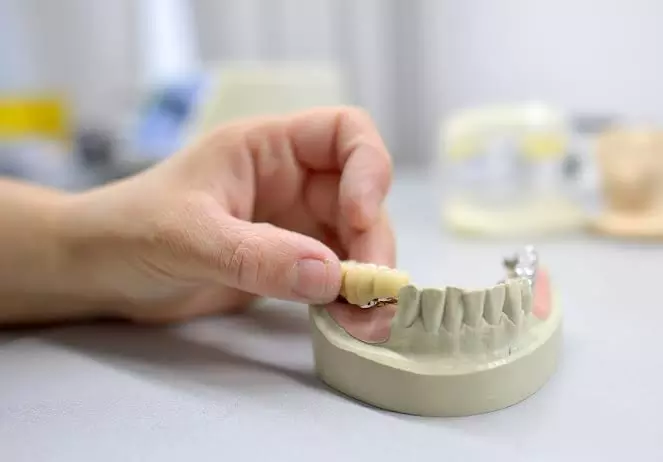
A dental bridge is a restorative treatment designed to replace one or more missing teeth. It works by placing an artificial tooth in the empty space and securing it with support from nearby teeth or dental structures.
The replacement tooth is designed to match the appearance of your natural teeth, helping restore a more complete smile.
A traditional dental bridge usually includes:
- A replacement tooth called a pontic
- Supporting crowns placed on nearby teeth
The exact design depends on your oral condition, the location of the missing tooth, and your overall treatment goals.
A dental professional evaluates your smile to determine whether a bridge is the right option for your needs.
Common Reasons Patients Consider Dental Bridges
There are several situations where patients may benefit from a dental bridge. The treatment is commonly considered when one or more teeth are missing and replacement is needed.
Some common reasons include:
- A tooth lost because of decay
- A tooth removed due to damage or infection
- A missing tooth caused by an injury
- A gap affecting chewing or confidence
Replacing missing teeth helps maintain better balance in your bite and supports a more natural smile appearance.
A consultation allows your dental provider to review your options and explain which solution may work best for your situation.
Signs You May Need A Dental Bridge
Many patients are unsure whether tooth replacement is necessary. Certain signs may indicate that a dental bridge could be a suitable option.
Difficulty Chewing Certain Foods
A missing tooth can make chewing uncomfortable or cause you to avoid certain foods.
When a gap affects how you bite or chew, replacing the missing tooth may help restore better function.
Changes In Your Bite
Your teeth work together as a system. When one tooth is missing, nearby teeth may gradually shift toward the empty space.
This movement can affect your bite alignment and create additional dental concerns.
Feeling Self-Conscious About Your Smile
A missing tooth, especially in a visible area, can affect confidence during speaking, smiling, or social situations.
A dental bridge can help restore the appearance of a complete smile.
Increased Sensitivity Around The Missing Area
Some patients experience discomfort or changes in nearby teeth after losing a tooth.
A dental evaluation can help determine whether tooth replacement is needed.
How Dental Bridges Restore Smile Function
A dental bridge is not only designed to improve appearance. It also helps restore important daily functions.
Replacing a missing tooth may help with:
- Improved chewing ability
- Better speech comfort
- Maintaining proper tooth spacing
- Supporting facial appearance
When teeth are properly aligned, they work together more effectively.
A bridge helps fill the space and supports a more balanced dental structure.
Dental Bridge Houston Options For Different Needs
Patients have different dental situations, which means treatment recommendations can vary.
A dental provider considers factors such as:
- Number of missing teeth
- Location of the gap
- Health of surrounding teeth
- Personal treatment goals
For patients searching for dental bridge Houston options, understanding the available choices is an important part of the decision-making process.
A personalized approach helps ensure the selected restoration matches both function and appearance requirements.
Types Of Dental Bridges Available
Dental bridges are not one-size-fits-all. Different types may be recommended depending on the patient's needs.
Traditional Dental Bridges
Traditional bridges are commonly used when healthy teeth are available on both sides of the missing space.
The surrounding teeth provide support for the restoration.
Cantilever Bridges
Cantilever bridges may be considered when support is available from only one side of the missing tooth area.
Implant-Supported Bridges
Implant-supported bridges use dental implants instead of natural teeth for support.
This option may be considered for patients who need multiple missing teeth replaced.
A dental professional can explain which type is appropriate based on your oral health condition.
Dental Bridges Compared With Other Tooth Replacement Options
Patients often compare bridges with other solutions before making a decision.
Common tooth replacement options include:
Dental Implants
Dental implants use artificial tooth roots placed into the jawbone. They are designed to provide strong support and long-term stability.
Dentures
Dental Bridges
Bridges provide a fixed restoration that fills the gap using support from nearby teeth or implants.
Each option has advantages depending on the patient's needs, budget, and oral health.
A professional consultation helps identify the most suitable approach.
Benefits Of Choosing A Dental Bridge
Dental bridges offer several advantages for patients who need tooth replacement.
Some benefits include:
- Restoring a complete smile
- Improving chewing function
- Helping maintain tooth alignment
- Providing a fixed replacement option
- Improving confidence
Many patients appreciate bridges because they provide a natural-looking solution without requiring a removable appliance.
The right treatment choice depends on your individual dental condition.
How The Dental Bridge Process Works
Understanding the treatment process can help patients feel more comfortable.
The process generally involves several steps.
Initial Consultation
The dentist examines your teeth, gums, and the missing tooth area.
This helps determine whether a bridge is suitable.
Tooth Preparation
If a traditional bridge is recommended, nearby supporting teeth may be prepared to hold the restoration.
Custom Bridge Creation
Measurements are taken to design a bridge that matches your smile.
Final Placement
The completed bridge is placed and adjusted for comfort and proper function.
The goal is to create a restoration that feels natural and supports everyday activities.
Read: Saliva Composition and Its Role in Dental Implant Infection Risk
How Long Can A Dental Bridge Last?
The lifespan of a dental bridge depends on several factors, including:
- Oral hygiene habits
- Supporting tooth health
- Regular dental visits
- Lifestyle habits
Taking proper care of your bridge helps protect the restoration and surrounding teeth.
Patients should continue brushing, flossing, and attending regular dental appointments after receiving a bridge.
Caring For Your Dental Bridge After Treatment
Maintaining your dental bridge is important for long-term success.
Good care includes:
- Brushing twice daily
- Cleaning around the bridge area
- Using recommended dental tools
- Visiting your dentist regularly
The area underneath a bridge requires special attention because food particles and bacteria can collect there.
Following professional instructions helps keep your restoration and natural teeth healthier.
What Factors Affect Dental Bridge Cost?
Many patients want to understand the financial side of treatment before moving forward.
The cost of a dental bridge may depend on:
- Type of bridge selected
- Number of teeth being replaced
- Materials used
- Additional dental treatments required
Patients searching for an affordable bridge for teeth should focus on finding a solution that provides both quality and long-term value.
A dental consultation provides the most accurate information about treatment costs.
When A Dental Implant Bridge May Be Recommended
For patients missing multiple teeth, an implant-supported option may provide additional support.
A dental implant bridge Houston treatment uses implants to support a bridge instead of relying only on nearby natural teeth.
This approach may be considered when:
- Multiple teeth are missing
- Strong support is needed
- Patients want a fixed restoration
A dental evaluation helps determine whether implant support is suitable.
Why Delaying Tooth Replacement Can Create Problems
Some patients postpone replacing missing teeth because they are not experiencing discomfort.
However, waiting too long may allow surrounding teeth to shift or create changes in bite function.
Possible concerns include:
- Difficulty cleaning certain areas
- Increased pressure on nearby teeth
- Changes in chewing patterns
Replacing missing teeth at the appropriate time can help maintain better oral balance.
Choosing Dental Bridge Care In Houston
Selecting the right dental provider is an important step in restoring your smile.
Patients should look for a dental team that provides:
- Personalized treatment planning
- Clear explanations
- Comfortable care
- Restorative dentistry experience
A provider who understands your goals can help you choose the right option for your smile.
How Smile4Ever Family Dentistry Helps Restore Missing Teeth
Smile4Ever Family Dentistry provides personalized dental care focused on helping patients restore healthy and confident smiles.
The team evaluates each patient's dental condition and discusses treatment options based on their needs, comfort, and long-term goals.
Patients exploring Houston dental bridges can receive guidance to understand how bridge treatment may help restore missing teeth and improve daily function.
Final Thoughts
A missing tooth can affect your smile, comfort, and oral function. Dental bridges provide a reliable way to restore missing teeth while helping maintain proper alignment and confidence.
Understanding the signs that you may need a bridge, available treatment options, and the benefits of replacement can help you make better decisions about your dental health.
If you are experiencing tooth loss or concerns related to missing teeth, a professional dental evaluation can help you explore the right solution for your smile.
Restoring missing teeth is not only about appearance. It is about protecting your long-term oral health and maintaining the quality of your everyday life.