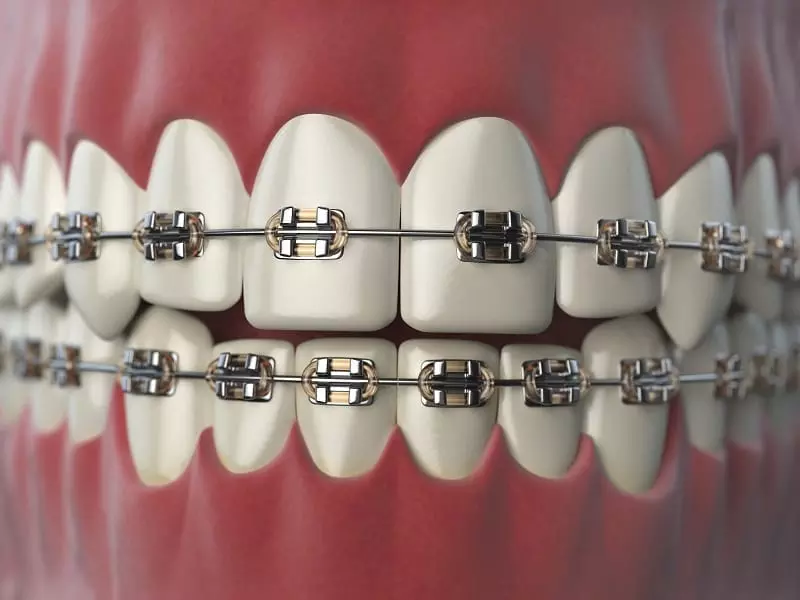
Dental Braces: Benefits, Types & Treatment Guide
A beautiful smile enhances confidence and improves overall personality. However, crooked teeth, gaps, or bite problems can affect both appearance and oral health.
Dental braces are one of the most effective orthodontic treatments used to straighten teeth and create a healthier smile.In this guide, we will discuss the benefits, types, and complete treatment process of dental braces.
What Are Dental Braces?
Dental braces are orthodontic devices used to correct the alignment of teeth and jaws. They work by applying gentle pressure to gradually move teeth into the correct position.
Braces are suitable for both teenagers and adults who want to improve their smile and oral health.
Why Do People Need Dental Braces?
Orthodontists recommend braces for several dental problems, including:
- Crooked teeth
- Gaps between teeth
- Crowded teeth
- Overbite
- Underbite
- Crossbite
- Jaw alignment issues
- Difficulty chewing food
If left untreated, these issues can lead to tooth decay, gum disease, and jaw discomfort.
Benefits of Dental Braces
Dental braces provide both cosmetic and health-related benefits.
1. Improved Smile Appearance
Braces straighten teeth and create a more attractive and balanced smile.
2. Better Oral Health
Properly aligned teeth are easier to clean, reducing the risk of cavities and gum disease.
3. Improved Chewing Function
Correcting bite issues helps improve chewing and digestion.
4. Enhanced Speech
In some cases, braces can improve speech clarity caused by misaligned teeth.
5. Increased Confidence
A straight and healthy smile can significantly boost self-confidence.
Types of Dental Braces
There are several types of braces available depending on the patient’s needs and budget.
1. Metal Braces
Metal braces are the most common and affordable option. They use stainless steel brackets and wires to move teeth gradually.
Features:
- Strong and durable
- Effective for severe alignment issues
- Cost-effective
Best For:
Teenagers and patients requiring major corrections.
2. Ceramic Braces
Ceramic braces work similarly to metal braces but use tooth-colored brackets for a less noticeable appearance.
Features:
- Less visible
- More aesthetic
- Comfortable to wear
Best For:
Adults looking for a discreet treatment option.
3. Lingual Braces
Lingual braces are attached to the back side of the teeth, making them nearly invisible.
Features:
- Hidden from view
- Customized fitting
- Effective alignment treatment
Best For:
People who want invisible braces.
4. Clear Aligners
Clear aligners are transparent removable trays that gradually straighten teeth.
Features:
- Almost invisible
- Removable for eating and brushing
- Comfortable and convenient
Best For:
Adults and professionals seeking discreet orthodontic treatment.
Dental Braces Treatment Process
Initial Consultation
The orthodontist examines the teeth, takes X-rays, and creates a personalized treatment plan.
Braces Placement
Brackets and wires are attached to the teeth. The procedure is generally painless.
Adjustment Visits
Regular visits are required to tighten or adjust the braces for continuous tooth movement.
Treatment Duration
The treatment period depends on the severity of the dental issue. Most treatments last between:
- 12 to 36 months
Retainers
After braces are removed, retainers help maintain the new position of the teeth.
Read: Complete Guide to Braces and Clear Aligners
Care Tips During Braces Treatment
Proper care is essential for successful results.
Avoid Certain Foods
Try to avoid:
- Sticky foods
- Hard candies
- Popcorn
- Ice chewing
Maintain Good Oral Hygiene
- Brush teeth twice daily
- Floss regularly
- Use mouthwash
Attend Regular Dental Appointments
Routine orthodontic visits ensure smooth progress of the treatment.
Are Dental Braces Painful?
Some mild discomfort or pressure may occur after braces are placed or adjusted. This is normal and usually disappears within a few days.
Soft foods and pain relief medications can help reduce discomfort.
Cost of Dental Braces
The cost of braces depends on the type of braces and the complexity of the treatment. Metal braces are generally more affordable, while lingual braces and clear aligners may cost more.
A detailed consultation with an orthodontist can help determine the exact treatment cost.
Conclusion
Dental braces are an effective solution for improving both smile appearance and oral health. Whether you choose metal braces, ceramic braces, lingual braces, or clear aligners, orthodontic treatment can help you achieve straight teeth and a confident smile.