Orthodontist Ancaster: Complete Guide to Braces and Clear Aligners
Orthodontic treatment has evolved significantly over the last decade, giving patients in Ancaster access to more comfortable, discreet, and efficient options for straightening teeth. Whether you are considering braces for your child or exploring clear aligners as an adult, understanding the full range of available orthodontic solutions can help you make informed decisions about your oral health and long-term smile goals.
This comprehensive guide breaks down how orthodontics works, when treatment is recommended, the differences between braces and clear aligners, expected timelines, and what to know before starting treatment with an orthodontist in Ancaster.
What Does an Orthodontist in Ancaster Do?
An orthodontist is a dental specialist with additional training focused on diagnosing, preventing, and correcting misaligned teeth and jaw irregularities. Their expertise extends beyond aesthetics and includes functional improvements such as bite correction, airway support, and long-term oral stability.
An orthodontist in Ancaster typically provides:
- Bite and alignment assessments
- Braces for children, teens, and adults
- Clear aligner therapy
- Early interceptive orthodontics
- Retainers and long-term retention plans
- Solutions for crowding, spacing, and bite irregularities
- Monitoring of jaw growth during childhood
Types of Orthodontic Issues Treated
Orthodontists address a wide range of dental and skeletal issues, including:
- Crowding or overlapping teeth
- Gaps or excessive spacing
- Overbite, underbite, open bite, and crossbite
- Protruding teeth
- Misaligned dental arches
- Jaw growth discrepancies in children
Correcting these problems early can support healthier teeth, reduce wear, improve speech clarity, and enhance long-term oral function.
Braces vs. Clear Aligners: Which Is Right for You?
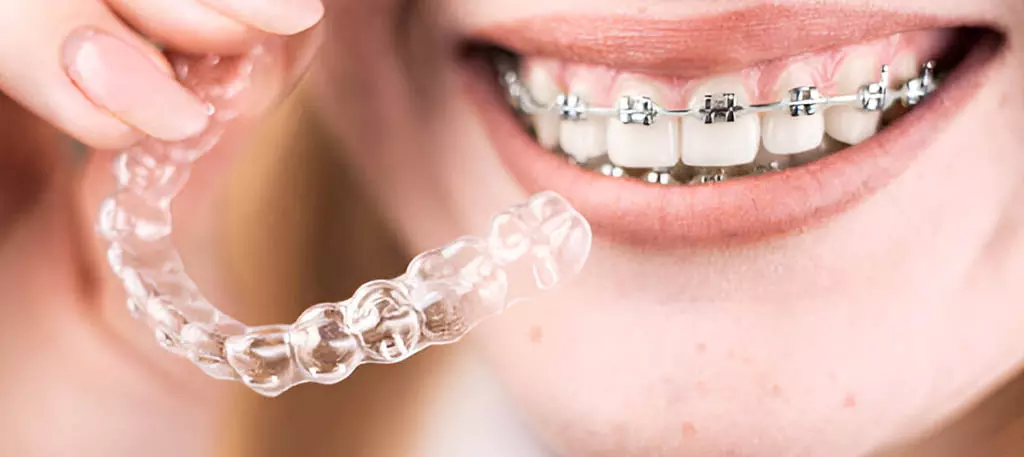
Two of the most common orthodontic treatments in Ancaster are traditional braces and clear aligners. Each has its advantages depending on goals, lifestyle, and the complexity of the case.
Braces: A Time-Tested and Effective Solution
Braces use brackets and wires to apply gentle pressure that gradually shifts teeth into alignment. They remain one of the most effective treatments for mild to complex orthodontic issues.
Types of Braces Available
- Metal braces: Durable, efficient, and commonly used for comprehensive correction.
- Ceramic braces: Tooth-coloured brackets for improved aesthetics.
- Self-ligating braces: Reduced friction and shorter adjustment appointments.
Benefits of Braces
- Effective for nearly all orthodontic cases
- Continuous tooth movement without needing patient compliance
- Suitable for children, teens, and adults
- Often faster for complex issues
Considerations
- More visible than aligners
- Dietary restrictions (avoid sticky or hard foods)
- Regular adjustments required
Clear Aligners: A Modern and Discreet Alternative
Clear aligners have become one of the fastest-growing orthodontic solutions in Ancaster due to their comfort and nearly invisible appearance. They consist of a series of custom-made trays worn over the teeth, gently shifting them into place.
Read: How AI and Technology Are Transforming Oral Healthcare
Benefits of Clear Aligners
- Nearly invisible
- Removable for eating and brushing
- No brackets or wires
- Comfortable and easy to adapt to
- Predictable digital treatment planning
Considerations
- Best for mild to moderate cases
- Requires wearing 20–22 hours per day
- Lost or damaged aligners may delay progress
Which Treatment Is Better?
Choosing between braces and clear aligners depends on:
- The complexity of your orthodontic case
- Your age and lifestyle
- Commitment to wearing aligners consistently
- Desired aesthetics
- Functional needs, such as bite correction
A consultation with an orthodontist in Ancaster can determine the most effective treatment plan based on digital scans, photographs, and diagnostic imaging.
How Long Does Orthodontic Treatment Take?
Treatment duration varies depending on the severity of misalignment and the type of appliance used.
Average timelines:
- Mild cases: 6–12 months
- Moderate cases: 12–18 months
- Complex cases: 18–30 months
Compliance, oral hygiene, and regular check-ins all affect total treatment time.
What to Expect During Treatment with an Orthodontist in Ancaster
1. Initial Exam and Records
- Digital scans or impressions
- X-rays to assess jaw and tooth root health
- Treatment discussion and planning
2. Appliance Placement
Braces are bonded to the teeth, or the first series of clear aligners is provided.
3. Regular Progress Visits
Appointments may occur every 4–8 weeks to monitor movement and make adjustments.
4. Retention Phase
After treatment, retainers maintain new tooth positions and prevent relapse. This phase is essential for lifelong smile stability.
Is Orthodontic Treatment Painful?
Modern orthodontic techniques significantly reduce discomfort. Patients may experience mild pressure or soreness for a few days after adjustments or when switching to a new aligner, but this typically resolves quickly. Over-the-counter pain relief is usually sufficient.
Orthodontic Care for Children in Ancaster
The Canadian Association of Orthodontists recommends that children receive an orthodontic evaluation by age 7. Early assessment allows specialists to monitor growth, guide the eruption of adult teeth, and intervene when early treatment can simplify later orthodontic needs.
Common benefits of early intervention include:
- Correcting harmful oral habits
- Guiding jaw growth
- Reducing crowding and impaction risk
- Improving facial symmetry
- Preventing more complex treatment later
Maintaining Results: The Importance of Retainers
Retainers are essential after braces or aligner therapy. They help maintain alignment and prevent teeth from shifting back. Types of retainers include fixed lingual wires and removable clear retainers.
Wearing retainers long-term ensures stability and protects your investment in orthodontic treatment.
Frequently Asked Questions
1. How do I know if I need an orthodontist in Ancaster?
Signs include crowding, gaps, bite problems, difficulty chewing, or shifting teeth. A consultation provides a definitive assessment.
2. Are clear aligners as effective as braces?
Yes, for many mild to moderate cases. Braces are still more effective for complex misalignment or bite correction.
3. What age is best for orthodontic treatment?
Children should be evaluated by age 7, but teens and adults of any age can benefit.
4. How often will I need appointments?
Braces typically require visits every 4–8 weeks; aligners require check-ins every 6–10 weeks.
5. Can adults get braces or aligners?
Absolutely. Adult orthodontics is common and highly successful.
Final Thoughts
Orthodontic treatment is more accessible, comfortable, and personalized than ever before. Whether you choose braces or clear aligners, working with an experienced orthodontist Ancaster ensures that your treatment plan aligns with your oral health needs, lifestyle, and long-term goals. Understanding your options—and the benefits of early assessments, consistent follow-up care, and long-term retention—allows you to make informed decisions about your smile.