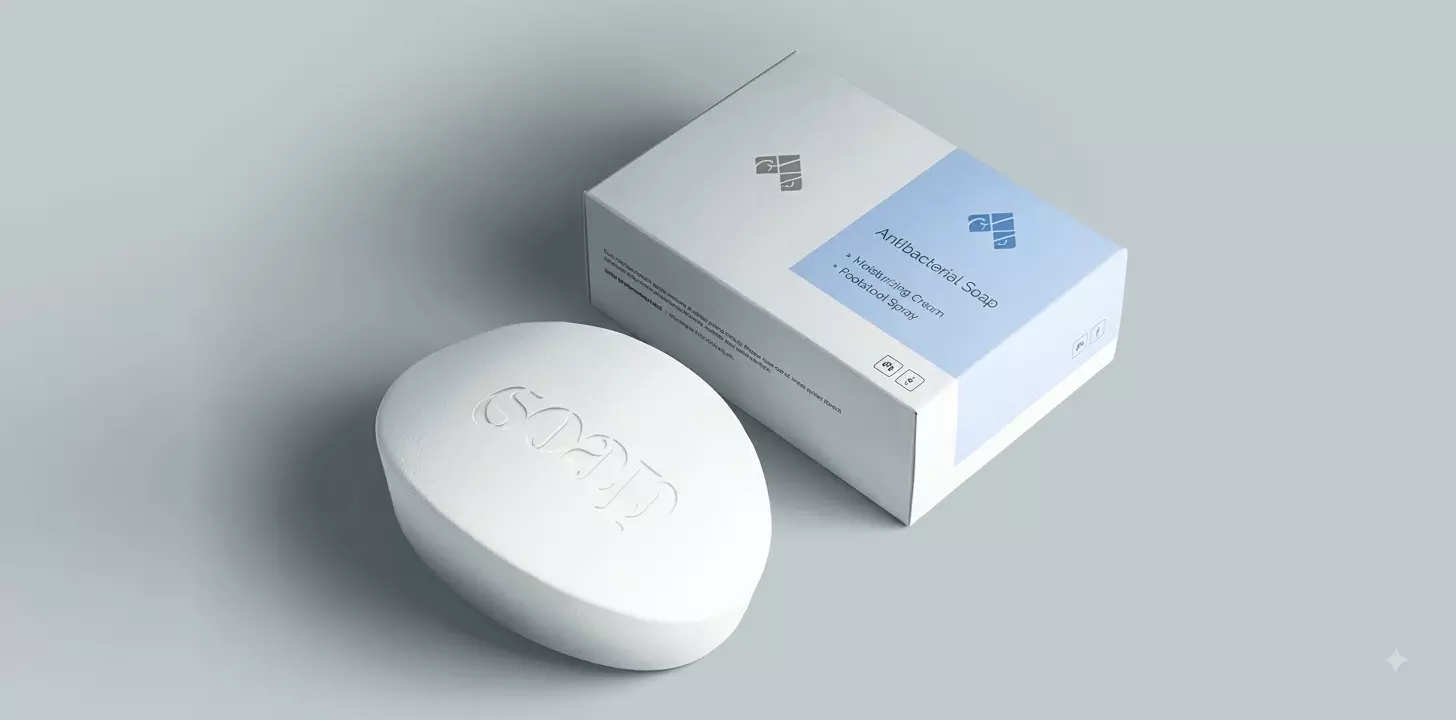
Custom Soap Packaging Boxes: Stylish & Durable Solutions
Soap packaging does more than hold a product. It protects each bar, communicates brand values, and attracts shoppers. Custom soap packaging boxes help businesses create packaging that reflects their products while supporting safe storage and retail presentation.
For handmade soap makers and established beauty brands, custom soap packaging boxes offer flexibility in materials, sizes, printing, and structure. A natural soap collection may need simple kraft packaging.
A premium gift range may benefit from decorative cartons and fitted inserts. Choosing the right format helps balance appearance, protection, and cost.
The best packaging also considers the soap itself. Ingredients, moisture levels, fragrance, and curing requirements can influence material and design decisions.
Why Custom Soap Packaging Matter
Customers often notice packaging before they examine the soap. A clear design can communicate the scent, ingredients, product type, and brand personality. It also helps customers distinguish products in crowded retail displays.
Good packaging must support practical needs too. Soap bars can soften, release oils, or absorb moisture under certain storage conditions. Suitable packaging helps reduce exposure to dust, handling, and other external factors.
Here are several benefits of thoughtful soap packaging:
- Product protection: Suitable structures help reduce damage during handling and storage.
- Brand recognition: Consistent colors, logos, and typography make products easier to identify.
- Retail presentation: Attractive cartons help organize products on shelves.
- Product information: Printed panels provide space for ingredients, scent names, and directions.
- Gift appeal: Decorative packaging can make soap sets more suitable for special occasions.
Packaging should match the product rather than follow appearance alone. For example, handmade cold-process soap may need more airflow than a fully wrapped commercial bar. Understanding this difference helps prevent unsuitable packaging choices.
Popular Soap Packaging Styles for Different Products
Soap brands can choose from several packaging formats. The right option depends on the bar's shape, sales channel, and desired presentation.
Kraft Soap Boxes
Kraft boxes suit brands that prefer a natural, understated appearance. Their paper-based look works well with botanical illustrations, simple typography, and earthy colors. They can also carry printed product details and brand information.
However, kraft packaging is not automatically moisture-resistant. Consider the soap's oils, storage conditions, and any required inner wrapping before selecting the material.
Folding Carton Soap Boxes
Folding cartons provide a versatile format for everyday retail products. They can feature tuck-end closures, printed panels, and custom dimensions. Their flat construction can also simplify storage before assembly.
Brands can use different artwork for each scent while maintaining consistent box structures. This approach helps create an organized product family.
Window Soap Boxes
Window boxes allow shoppers to see the soap without opening the package. They work particularly well for bars with distinctive colors, shapes, or decorative patterns.
The window should provide visibility without weakening the overall structure. Brands should also consider whether a clear film or open window suits the product's storage needs.
Rigid Gift Boxes
Rigid boxes provide a sturdy structure for multi-bar collections and premium gift packaging. Dividers can separate different scents or product sizes. Decorative finishes can also create a coordinated presentation.
Choosing Durable Materials and Suitable Finishes
Material selection affects strength, printing quality, surface appearance, and cost. Businesses should compare options based on the soap's physical properties and packaging requirements.
Common materials include:
- Kraft paperboard: Suitable for natural-looking packaging and simple printed designs.
- SBS paperboard: Offers a smooth surface for detailed graphics and bright colors.
- Coated paperboard: Can support print quality and selected surface protection needs.
- Recycled paperboard: An option for brands evaluating recycled-content materials.
- Rigid board: Provides a stronger structure for premium presentation boxes.
No single material works for every soap product. For example, some handmade bars continue curing after production. A fully sealed package may trap moisture, depending on the soap and storage conditions. Open sleeves or breathable cartons may be more suitable in these cases.
Design Packaging Around Storage, Shipping, and Retail
A good package must perform throughout the product's journey. Soap may move from a production area to storage, retail shelves, or a customer's doorstep. Each stage creates different packaging needs.
Start by measuring the finished soap bar. Include any inner wrap or protective layer in the measurements. Leave enough clearance for easy packing, but avoid excessive empty space that allows the bar to move.
Retail placement deserves attention as well. Small soap businesses often sell through boutiques, farmers' markets, salons, and specialty stores. Packaging should make products easy to arrange and identify.
Use Counter Display Boxes to Improve Visibility
Counter display boxes can help retailers present several soap varieties in a compact area. They are useful near checkout counters, on boutique shelves, and at market stalls. A printed header can show the brand name, while organized compartments separate scents or product types.
Make sure the display structure supports the combined weight of the products. Check its footprint, loading method, and visibility from the shopper's position.
How to Choose the Right Packaging Supplier
A suitable packaging supplier should understand both design and production requirements. Businesses should compare more than quoted prices. Material quality, print consistency, structural accuracy, and communication all matter.
Before approving an order, prepare a clear packaging brief. Include product dimensions, preferred materials, box style, artwork, quantity, and intended use.
Request a physical sample whenever possible.
Check the fit, closure, print alignment, surface finish, and product movement. If the soap contains oils or requires airflow, test the packaging under expected storage conditions.
Conclusion
Custom soap packaging boxes help businesses protect their products, strengthen brand recognition, and improve retail presentation. The right solution depends on soap type, material requirements, storage conditions, and sales channel.
Choose a suitable structure, test the finished sample, and keep product information readable. Thoughtful decisions can reduce packaging problems while creating a consistent experience for customers.