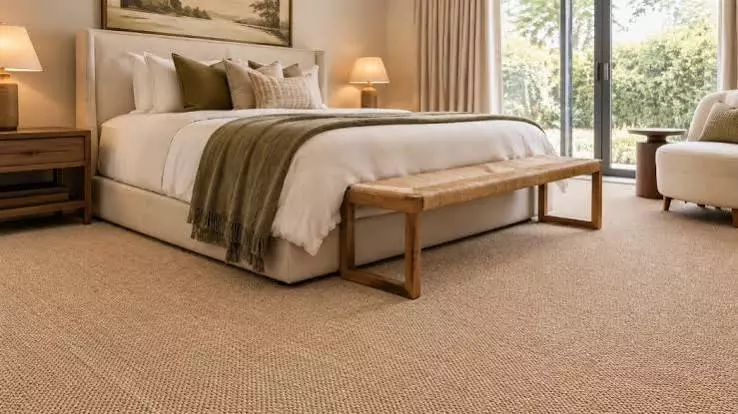
Choosing Sisal Carpet for Beauty and Durability
Flooring has a major influence on the appearance, comfort, and atmosphere of an interior. While many flooring materials focus mainly on practicality, sisal carpet offers a combination of natural beauty, texture, and dependable performance.
Made from fibers derived from the sisal plant, this type of carpet has become a popular choice for homeowners, offices, hotels, and other spaces looking for a warm and organic flooring solution.
Choosing the right sisal carpet requires more than simply selecting an attractive color. Fiber quality, weave, texture, room usage, maintenance requirements, and overall interior design should all be considered.
With the right selection, sisal carpet can provide a stylish surface that complements an interior for many years.
What Is Sisal Carpet?
Sisal carpet Dubai is produced from natural fibers obtained from the leaves of the sisal plant. These fibers are processed and woven into carpet materials with distinctive textures and patterns.
Unlike heavily synthetic carpets, sisal has a naturally organic appearance. Its visible fibers and subtle variations give floors a warm, earthy character. It is available in different weaves, colors, patterns, and finishes, making it suitable for both traditional and contemporary interiors.
The natural texture is one of the main features that makes sisal carpet visually different from ordinary flooring products.
Why Choose Sisal Carpet?
There are several reasons to consider sisal when selecting carpet for a home or commercial environment. Its natural appearance can make a room feel more connected to organic materials, while its textured surface adds depth to otherwise simple interiors.
Sisal can also be a practical choice for areas where durability and visual appeal are both important. Properly selected and maintained carpet can handle regular everyday use while retaining its characteristic texture.
Its versatility is another advantage. From living rooms and bedrooms to offices and hospitality spaces, sisal can adapt to many interior styles.
Focus on Fiber Quality
Fiber quality is an important factor when purchasing sisal carpet. Strong, well-processed fibers can contribute to better durability and a more consistent appearance.
When comparing products, examine the density and construction of the carpet rather than focusing only on its surface color. A well-made product should have a stable weave and a finish appropriate for its intended environment.
For areas with frequent foot traffic, choosing a carpet designed for heavier use can provide better long-term performance.
Select the Right Weave
Sisal carpet can be produced using different weaving patterns, and each creates a distinct visual effect.
A simple weave can provide a clean and understated appearance, while patterned or textured weaves can become a stronger decorative element.
Herringbone, basketweave, and other structured designs can add character to contemporary interiors.
The choice should depend on the style of the room. Minimalist spaces may benefit from subtle patterns, while larger rooms can accommodate more noticeable textures.
Choose a Suitable Color
Natural sisal is commonly associated with earthy and neutral tones. Shades of beige, cream, tan, brown, and soft gray can create a calm and sophisticated atmosphere.
Neutral colors are particularly useful because they can complement a wide range of furniture and wall finishes. They can also provide a timeless foundation that remains attractive when other parts of the interior are updated.
If you want a more distinctive appearance, consider colored or patterned sisal options that coordinate with the room's existing design.
Consider the Room's Purpose
The best sisal carpet depends heavily on where it will be installed.
Living Rooms
Living rooms are ideal locations for sisal because the material can create a warm and inviting foundation for furniture. A neutral weave can complement sofas, wooden tables, decorative lighting, and natural accessories.
Bedrooms
In bedrooms, sisal can contribute to a calm and natural atmosphere. Soft neutral shades can work particularly well with simple furniture and warm lighting.
Home Offices
Sisal can give a home office a professional yet comfortable appearance. Its natural texture can balance modern desks, shelving, and minimalist furniture.
Commercial Areas
Offices, boutique hotels, lounges, and other commercial spaces can use sisal to create a sophisticated interior. However, the carpet should be selected according to expected traffic and maintenance requirements.
Think About Traffic Levels
Not every sisal carpet is suitable for every location. Before making a purchase, consider how frequently the floor will be used.
High-traffic areas such as hallways, entrances, and busy commercial spaces require a suitable construction that can withstand regular movement. Bedrooms and private rooms may allow more flexibility because they generally experience less traffic.
Selecting a product based on the room's usage can help reduce premature wear.
Read: Decorating Small Apartments in the U.S. with Vintage Area Rugs
Match Sisal With Interior Design
One of the biggest advantages of sisal carpet is its ability to complement many design styles. Its natural texture works beautifully with wood, stone, leather, cotton, linen, and other organic materials.
For a modern interior, a simple neutral weave can create a clean and understated appearance. In rustic or traditional spaces, warmer tones and stronger textures can enhance the natural character of the room.
Sisal can also be used alongside modern furniture to create an attractive contrast between natural flooring and contemporary design.
Consider Custom Carpet Borders
A sisal carpet can become even more distinctive when combined with a decorative border. Borders can frame the carpet and provide a finished appearance, particularly when the carpet is used as an area rug.
Leather, fabric, or other border materials can be selected to coordinate with furniture and decorative elements.
This approach allows homeowners and designers to create a more personalized flooring solution without losing the natural character of sisal.
Installation Is Important
Correct installation plays an important role in the final appearance and performance of sisal carpet. The subfloor should be properly prepared before the carpet is installed.
The surface should be clean, dry, smooth, and free from significant imperfections. Accurate measurements are also necessary to ensure proper placement and minimize unnecessary material waste.
Depending on the installation method and carpet format, professional fitting may be recommended. Properly secured carpet can provide a cleaner finish and reduce the risk of movement or uneven sections.
Maintain Your Sisal Carpet Properly
Regular maintenance can help preserve the appearance of sisal carpet. Vacuuming is one of the most important routine tasks because it removes dust, dirt, and loose particles before they become embedded within the fibers.
Spills should be addressed quickly using appropriate cleaning methods. Excessive moisture should generally be avoided because natural fibers can be sensitive to prolonged dampness.
It is also useful to place suitable mats near entrances to reduce the amount of dirt carried onto the carpet. Periodic professional cleaning can be considered when appropriate for the specific carpet construction.
Protect High-Use Areas
Furniture placement can affect carpet performance over time. Heavy furniture may create pressure points, while frequently moved chairs can cause additional wear.
Using suitable protective pads beneath furniture can help distribute weight and reduce stress on the carpet. In offices, chair mats may also be useful where rolling chairs are regularly used.
Rotating furniture layouts occasionally can help distribute traffic and pressure more evenly across the surface.
Sisal Carpet for Modern Interiors
Natural flooring has become increasingly popular in contemporary interior design because it can soften the appearance of modern spaces. Sisal works particularly well with minimalist furniture, neutral walls, natural wood, and simple decorative accessories.
Its texture adds visual depth without relying on bright colors or complicated patterns. This makes it suitable for designers who want an interior that feels sophisticated while maintaining a natural character.
Benefits of Choosing Natural Texture
Sisal brings a distinctive tactile quality to interiors. The woven fibers create subtle variations that can make a floor more visually interesting than a completely smooth surface.
This natural texture can also help create a warmer atmosphere, especially when combined with soft furnishings, wooden furniture, and natural lighting.
For people seeking an alternative to heavily synthetic-looking carpets, sisal provides a more organic design direction.
Make a Long-Term Flooring Decision
When choosing sisal carpet, it is important to look beyond its initial appearance. Consider the expected lifespan, room traffic, cleaning requirements, installation needs, and compatibility with your interior.
A higher-quality carpet may provide better value over time because it can maintain its appearance and structure more effectively when properly cared for.
Before purchasing, request product information and confirm that the selected construction is appropriate for the intended application.
Final Thoughts
Sisal carpet offers a distinctive combination of natural texture, timeless beauty, and practical performance. From comfortable living rooms and elegant bedrooms to stylish offices and hospitality interiors, it can enhance many different spaces.
Choosing the right fiber quality, weave, color, and construction is essential for achieving the desired result. Proper installation and regular maintenance can further support long-term performance.
For homeowners and businesses looking for a natural flooring solution, sisal carpet Dubai provides an attractive way to introduce warmth, texture, and sophisticated character into modern interiors. With thoughtful selection and proper care, sisal carpet can remain a beautiful feature of your space for years.