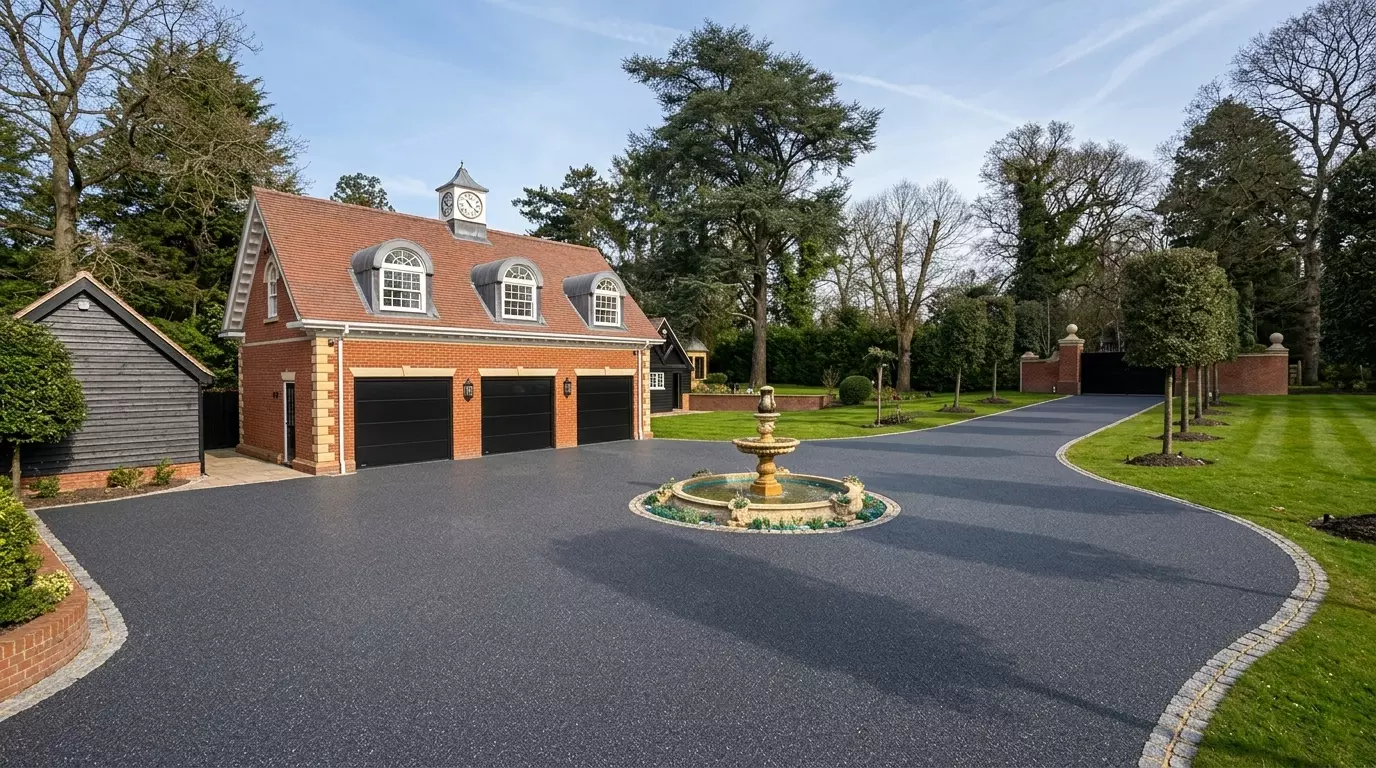
Choosing Gravel Driveways in Godalming
A driveway has to do more than provide somewhere to park. It is one of the first parts of a property visitors see, and it also needs to cope with everyday traffic, changing weather and regular maintenance.
For homeowners considering Gravel Driveways in Godalming Surrey, gravel can be an adaptable option when the driveway is properly planned and constructed.
The appeal of gravel is straightforward: it can create a practical surface while offering a loose-stone appearance that works with many different property styles.
However, choosing gravel is not simply a matter of spreading stones over an existing area. Ground preparation, drainage, edging and the choice of aggregate all influence how the finished driveway performs.
What Makes a Gravel Driveway Practical?
Gravel driveways use loose aggregate as the visible surface layer. Unlike a solid paved surface, the individual stones remain separate, giving the driveway its distinctive texture.
This type of driveway can suit properties where a more informal appearance is desirable.
It can also be shaped around existing landscaping, entrances and property boundaries.
A successful gravel driveway normally depends on more than the surface material itself. The layers underneath need to provide a suitable foundation, while the finished surface needs to remain contained within the intended driveway area.
The Importance of Ground Preparation
One of the most important parts of a driveway project happens before the gravel is installed.
If the underlying ground is unsuitable, the finished driveway can develop problems regardless of how attractive the gravel initially looks. Preparation may involve clearing the area, forming the correct levels and creating a stable base.
The driveway should also be considered in relation to how water moves across the property. Water that is allowed to collect or flow unpredictably can affect the condition of the surface and surrounding areas.
Good preparation therefore helps create a driveway that is easier to maintain and more consistent under everyday use.
Read: Roofing Milton – Complete Guide to Roof Repair & Replacement
Why Edging Matters
Edging is often overlooked when people think about gravel driveways, but it can make a substantial difference to the finished appearance.
Without suitable containment, loose stones can gradually move toward lawns, paths or other surrounding areas. Defined edges help keep the aggregate where it is intended to be and create a cleaner transition between the driveway and the rest of the property.
Edging can also give a gravel driveway a more finished appearance, particularly where the driveway meets a garden, wall or pedestrian route.
Choosing the Right Gravel
Not every type of gravel produces the same result.
Aggregate differs in size, shape, colour and texture. Smaller stones may create a different walking and driving experience from larger aggregate, while angular stones can behave differently from rounded ones.
The choice should take into account the intended use of the driveway as well as its visual relationship with the property.
It is also worth thinking about how the chosen gravel will look when wet and dry. A material that appears one way in a sample may have a different appearance under changing conditions.
Rather than choosing solely on appearance, consider how the surface will be used and maintained.
Gravel Driveways and Maintenance
One of the advantages of a gravel surface is that maintenance can be relatively straightforward when the driveway has been correctly prepared.
Over time, traffic and weather can cause stones to move. Some areas may become thinner than others, particularly where vehicles regularly turn or travel along the same route.
Routine maintenance can therefore include redistributing displaced gravel and addressing areas where the surface has become uneven.
Keeping the edges defined is also important. Vegetation can gradually encroach onto a driveway, while loose aggregate can migrate into surrounding areas. Regular attention helps preserve the appearance of the surface.
What Should You Consider Before Installation?
Before committing to a gravel driveway, consider several practical questions:
- How will vehicles use the driveway?
- Where should the driveway begin and end?
- How will water be managed?
- What type and size of aggregate is appropriate?
- What edging will suit the property?
- Is the existing ground suitable for the proposed construction?
- How will the driveway connect with paths, gates and landscaping?
- What maintenance will be required over time?
Answering these questions before work begins can prevent decisions from being made purely on appearance.
When Is Professional Planning Useful?
Driveway construction can look simple from the outside, but the finished result depends heavily on what happens underneath the visible gravel.
Professional planning can help identify the practical requirements of the site, including levels, preparation, drainage considerations and how the driveway will connect with other parts of the property.
For homeowners in Godalming, working with a business that handles groundworks and driveway-related projects can also make it easier to consider the driveway as part of the wider property rather than as an isolated surface.
Frequently Asked Questions
Are gravel driveways suitable for everyday vehicle use?
They can be suitable for regular vehicle use when the ground has been appropriately prepared and the gravel surface is properly installed and maintained.
Does a gravel driveway need edging?
Edging is useful because it helps contain loose aggregate and creates a defined boundary between the driveway and surrounding areas.
What happens if gravel is installed without proper preparation?
Poor preparation can contribute to uneven areas, movement of aggregate and drainage-related problems. The condition of the foundation is important to the performance of the finished surface.
How often does a gravel driveway need maintenance?
There is no single schedule that applies to every driveway. Traffic, weather, drainage and the condition of the surface all influence maintenance requirements.
Can gravel work with an existing garden?
Yes. Gravel can be incorporated around lawns, planting areas, walls and pedestrian routes, provided the driveway is properly defined and planned.
What should I consider when choosing gravel?
Consider the aggregate's size, shape, appearance, intended use and how it will interact with the rest of the property. Practical suitability should be considered alongside visual preference.
A Practical Approach to Your Driveway
A gravel driveway should be approached as a complete groundworks project rather than simply a choice of decorative stone. Proper preparation, appropriate aggregate, defined edges and sensible maintenance all contribute to a better finished surface.
For property owners considering broader roofing or property work at the same time, Roofing company in Godalming Surrey can provide another point of contact through LF Roofing & Driveways Ltd.
The business is based at Ashcombe Court, Woolsack Way, Godalming, Surrey, making it relevant for local property projects where the driveway and wider external work need to be considered together.