Ceiling Fan Power Consumption: A Complete Guide to Energy Use and Efficiency
Ceiling fans are among the most common household appliances, especially in regions with warm climates. They provide a cost-effective way to maintain comfort while consuming significantly less electricity than air conditioners.
However, many people are still unsure about how much power ceiling fans actually use and how this impacts their electricity bills.
Understanding ceiling fan power consumption can help you make smarter choices, reduce energy usage, and save money in the long run.
What Is Ceiling Fan Power Consumption?
Power consumption refers to the amount of electrical energy a ceiling fan uses to operate. It is typically measured in watts (W). The wattage indicates how much power the fan draws when running at a particular speed.
For example, a standard ceiling fan might consume anywhere between 50 watts to 90 watts, depending on its size, motor type, and speed setting.
Electricity usage over time is measured in kilowatt-hours (kWh), which is what appears on your electricity bill. If a fan consumes 75 watts and runs for 10 hours, it uses:
0.075 kW × 10 hours = 0.75 kWh
This simple calculation helps you estimate how much electricity your fan is using daily or monthly.
Average Power Consumption of Ceiling Fans
The power consumption of ceiling fans varies based on several factors. Here is a general breakdown:
- Small ceiling fans (36 inches): 30–50 watts
- Standard ceiling fans (48 inches): 50–75 watts
- Large ceiling fans (52 inches and above): 70–100 watts
Older fans often consume more electricity compared to modern energy-efficient models. Traditional fans with induction motors typically use more power, while newer fans with advanced motor technologies are designed to reduce consumption.
Factors Affecting Ceiling Fan Power Consumption
Several elements influence how much electricity a ceiling fan uses:
1. Motor Type
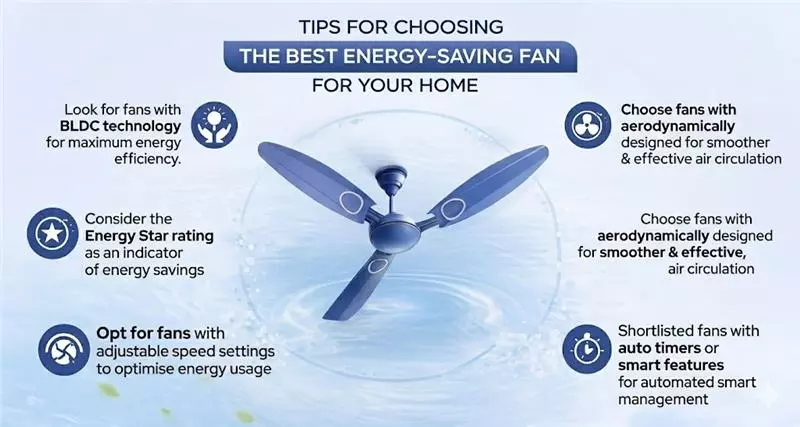
The type of motor is one of the most significant factors. Traditional induction motors are less efficient and consume more electricity. In contrast, Brushless Direct Current (BLDC) motors are highly efficient and can reduce power consumption by up to 50–65%.
2. Fan Speed
Higher speed settings increase power consumption. Running a fan at full speed will naturally use more electricity than operating it at medium or low speed.
3. Blade Size and Design
Larger blades move more air but may require more power. However, aerodynamic blade designs can improve efficiency without significantly increasing energy usage.
4. Usage Duration
The longer a fan runs, the more electricity it consumes. Fans that operate continuously throughout the day will contribute more to your electricity bill than those used occasionally.
5. Voltage Fluctuations
Inconsistent voltage supply can affect the efficiency and power consumption of ceiling fans. Stabilized voltage helps maintain optimal performance.
Ceiling Fan vs Air Conditioner: Power Consumption
One of the main reasons people prefer ceiling fans is their low energy consumption compared to air conditioners.
- Ceiling fan: 50–90 watts
- Air conditioner: 1000–2000 watts (or more)
This means that a single air conditioner can consume as much power as 15–20 ceiling fans. While air conditioners provide cooling, fans are ideal for air circulation and comfort at a fraction of the cost.
Energy-Efficient Ceiling Fans
With rising electricity costs, energy-efficient ceiling fans have become increasingly popular. These fans are designed to deliver maximum airflow with minimal power usage.
BLDC Fans
BLDC fans are the most energy-efficient option available today. They typically consume only 25–35 watts, which is significantly lower than conventional fans. Additionally, they offer several benefits:
- Lower electricity bills
- Silent operation
- Longer lifespan
- Remote control features
Although BLDC fans have a higher upfront cost, the long-term savings make them a worthwhile investment.
Star-Rated Fans
Energy rating systems help consumers identify efficient appliances. Fans with higher star ratings consume less electricity and provide better performance.
How to Calculate Ceiling Fan Electricity Cost
To calculate the cost of running a ceiling fan, you need three key pieces of information:
- Power consumption (in watts)
- Number of hours used per day
- Electricity tariff (cost per kWh)
Example Calculation:
- Fan wattage: 75W
- Usage: 12 hours per day
- Electricity rate: ₹8 per kWh
Daily consumption:
0.075 × 12 = 0.9 kWh
Daily cost:
0.9 × ₹8 = ₹7.2
Monthly cost:
₹7.2 × 30 = ₹216
This example shows that even running a ceiling fan for long hours results in relatively low electricity costs compared to other appliances.
Tips to Reduce Ceiling Fan Power Consumption
Reducing energy usage doesn’t necessarily mean sacrificing comfort. Here are some practical tips:
Use Energy-Efficient Models
Switching to BLDC or star-rated fans can significantly cut down electricity consumption.
Optimize Fan Speed
Use lower speed settings when full airflow is not required. This reduces power usage without compromising comfort.
Turn Off When Not Needed
Avoid running fans in empty rooms. This simple habit can save a noticeable amount of electricity.
Regular Maintenance
Dust accumulation on blades can reduce efficiency. Clean your fan regularly to ensure smooth operation.
Combine with Natural Ventilation
Using fans along with open windows can improve airflow and reduce the need for higher speeds.
Myths About Ceiling Fan Power Consumption
There are several misconceptions about how ceiling fans use electricity. Let’s address a few common ones:
Myth 1: Fans Cool Rooms
Ceiling fans do not actually lower room temperature. They create a wind-chill effect that makes you feel cooler.
Myth 2: Faster Speed Always Means Better Cooling
Higher speeds increase airflow but also consume more electricity. Medium speeds are often sufficient for comfort.
Myth 3: Leaving Fans On Saves Energy
Some people believe turning fans on and off frequently uses more power. In reality, running a fan unnecessarily wastes electricity.
Environmental Impact of Ceiling Fans
Ceiling fans are considered environmentally friendly compared to many other cooling appliances. Their low power consumption results in reduced carbon emissions.
By switching to energy-efficient fans, households can contribute to energy conservation and environmental sustainability.
For example, replacing a traditional 75W fan with a 30W BLDC fan can save around 45 watts per hour. Over a year, this reduction adds up to significant energy savings and a smaller carbon footprint.
Read: BLDC Fan Full Form: Meaning, Technology, Benefits, and Why It
Future Trends in Ceiling Fan Technology
The ceiling fan industry is evolving with advancements in technology. Some emerging trends include:
- Smart fans with app control and automation
- Integration with home automation systems
- Improved motor efficiency
- Eco-friendly materials and designs
These innovations aim to further reduce power consumption while enhancing user convenience.
Conclusion
Ceiling fans remain one of the most energy-efficient and cost-effective ways to stay comfortable, especially in warm climates. Their power consumption is relatively low, typically ranging between 50 to 90 watts for standard models.
By understanding how ceiling fans use electricity and what factors influence their consumption, you can make informed decisions that help reduce your energy bills.
Investing in modern, energy-efficient fans such as BLDC models can lead to substantial long-term savings. Additionally, adopting simple habits lie optimizing fan speed, turning off unused fans, and maintaining them regularly can further improve efficiency.
In a world where energy conservation is becoming increasingly important, ceiling fans offer a practical solution that balances comfort, affordability, and sustainability.