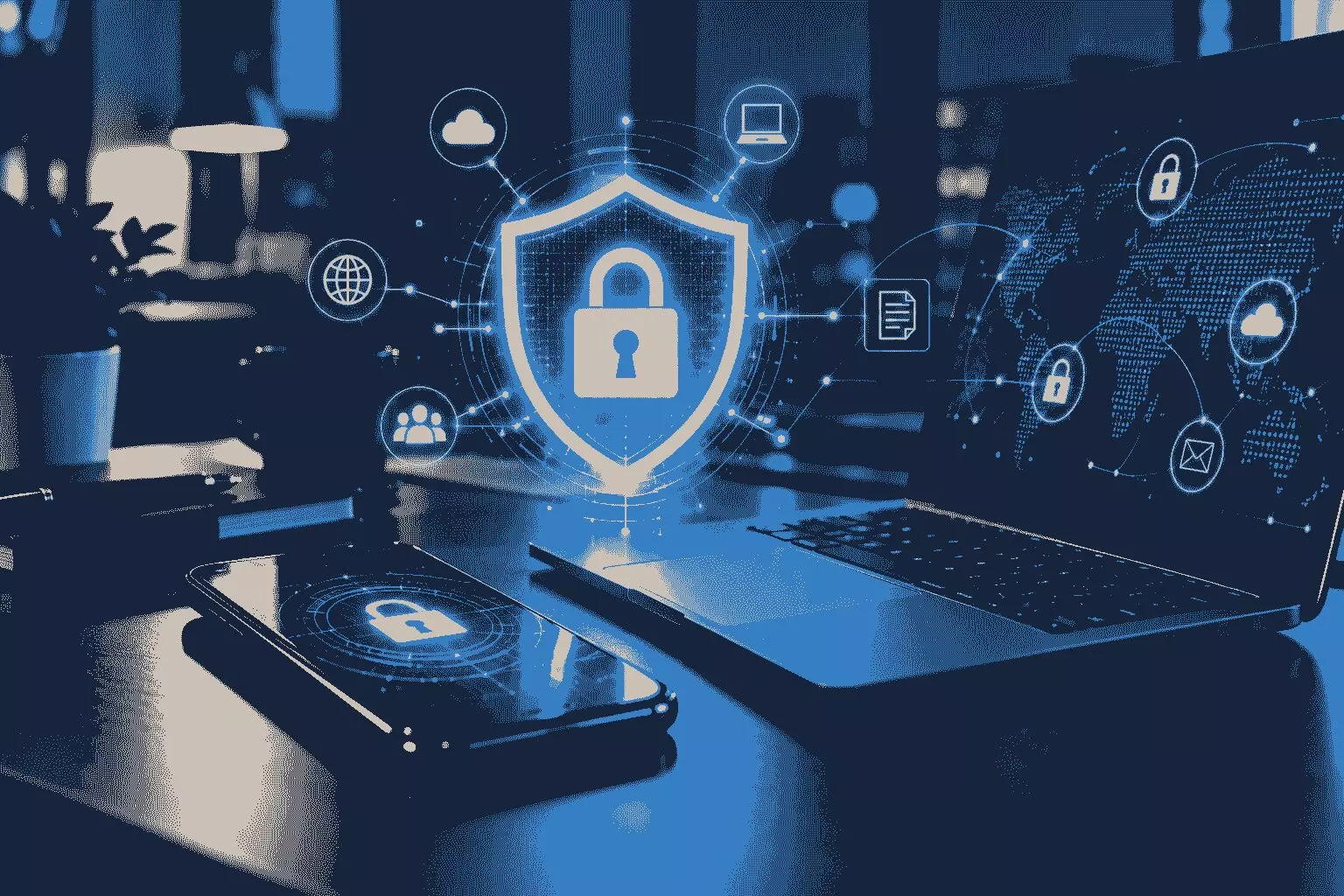
The BYOD Security Dilemma: Safeguarding UK Businesses in a Remote Era
The modern workplace has changed forever. With the rise of hybrid and remote work, employees are no longer restricted to using company-issued laptops and phones. Instead, many UK businesses have embraced a "Bring Your Own Device" (BYOD) policy.
The logic behind BYOD is simple: employees love using their own devices, and businesses save money on hardware. However, this convenience comes with a massive hidden cost—a drastic increase in cybersecurity risks.
If your team is using personal devices to access company emails, client data, or financial systems, your business is exposed. Let’s explore the real dangers of BYOD and how your business can manage this risk without invading employee privacy.
The Evolution of the Workplace
Not too long ago, the standard corporate setup involved an IT department handing out company-issued laptops and BlackBerrys. The IT team had complete control over these devices. They installed the software, managed the updates, and locked down the security settings.
Today, things are much different. The average employee owns a highly advanced smartphone and a powerful personal laptop. They are comfortable with these devices and often prefer them over bulky, outdated corporate machines.
To keep employees happy and reduce overhead costs, many businesses in South Yorkshire and across the UK have adopted BYOD policies. But by doing so, they have effectively punched a hole in their traditional network perimeter.
The Hidden Risks of BYOD
When a company provides a device, IT teams have full control. They can enforce strict security policies, push software updates, and monitor for threats. When an employee uses their personal phone or laptop, that control vanishes.
This creates several major vulnerabilities:
1. Unpatched Software and Operating Systems
An employee might ignore software updates on their personal laptop. If they log into your corporate network with an outdated operating system, they are practically inviting hackers in. Hackers actively scan for outdated software because they know it contains known vulnerabilities.
2. Cross-Contamination of Data
Personal devices are used for everything—downloading apps, checking personal emails, gaming, and browsing unsecured websites. If a device picks up malware from a personal activity, it can easily spread to your company’s network the moment they connect.
3. The "Lost Device" Nightmare
If an employee loses their personal phone at a coffee shop, and that phone has direct access to your company's client database, what happens next? Without remote wipe capabilities, your sensitive business data is completely compromised.
4. Shadow IT
When employees use their own devices, they often use their own preferred apps to get work done. They might save company files to their personal Google Drive or use unauthorized messaging apps to talk to clients. This is known as "Shadow IT," and it makes data incredibly difficult for your IT team to track and secure.
5. Phishing Attacks
Personal devices often lack the advanced email filtering and anti-phishing software installed on corporate networks. An employee checking their work email on a personal phone might click a malicious link that they would have otherwise been protected from.
Read: Smart Biometric Attendance Machine for Employee Tracking
The Privacy Paradox: How to Monitor Without Spying
The biggest pushback against BYOD security comes from employees. They don't want their employer tracking their personal photos, messages, or location history. And rightly so.
If you try to install heavy monitoring software on an employee's personal phone, you will face severe backlash. So, how do you secure company data without invading privacy?
This is where modern Mobile Device Management (MDM) software steps in. Using MDM, IT teams can create a secure, encrypted "container" on the employee's device.
Think of it like a digital vault. Your company emails, files, and apps live inside this vault. The employee's personal photos, WhatsApp messages, and banking apps live outside of it.
If the employee leaves the company, or if the phone is lost, IT can remotely wipe the company vault without touching a single personal photo. This is a win-win situation: the business remains secure, and the employee's privacy is respected.
The UK GDPR Factor
For UK businesses, BYOD is not just an IT headache; it is a legal risk. Under UK GDPR, your business is legally responsible for protecting the personal data of your clients and employees.
If a data breach occurs on an employee's personal device, and you cannot prove that you had adequate security measures in place, you could face massive fines from the Information Commissioner's Office (ICO).
The regulatory landscape is strict, and "we didn't know they were using that device" is not a valid excuse.
How to Build a Bulletproof BYOD Policy
If you want to allow BYOD without putting your business at risk, you need a strict, written policy. Here is what your policy should include:
1. Mandatory Lock Screens
Any device accessing company data must have a PIN, password, or biometric lock (like FaceID). This is the first line of defense against a lost device.
2. Enforce Multi-Factor Authentication (MFA)
Even if a hacker steals the device and guesses the password, MFA ensures they cannot access your network without the second verification step.
3. Mandatory Endpoint Detection
Require employees to install approved security software on their personal devices. This software monitors for malware and suspicious behavior without spying on personal data.
4. Clear Exit Strategy
The policy must clearly state what happens to company data when an employee resigns or is terminated. When they leave, the "container" is wiped, and their access is revoked immediately.
Is Your Business Ready for BYOD?
Managing a remote workforce and ensuring data compliance under UK GDPR is a heavy burden to carry alone. Many businesses try to manage BYOD with manual policies and hope for the best. Unfortunately, hope is not a cybersecurity strategy.
Partnering with an expert provider of Managed IT services in Sheffield allows you to implement robust endpoint security without the hassle. A professional IT partner can set up secure mobile environments, monitor devices 24/7 for threats, and educate your staff on safe remote practices.
With a global network of certified technicians, companies like Throne Solutions ensure that whether your team is working from a corporate office in London or a coffee shop in South Yorkshire, your data remains completely secure.
Don't let a personal device become the gateway to a corporate data breach. By implementing the right technology and policies today, you can embrace the flexibility of remote work while keeping your business fully protected.