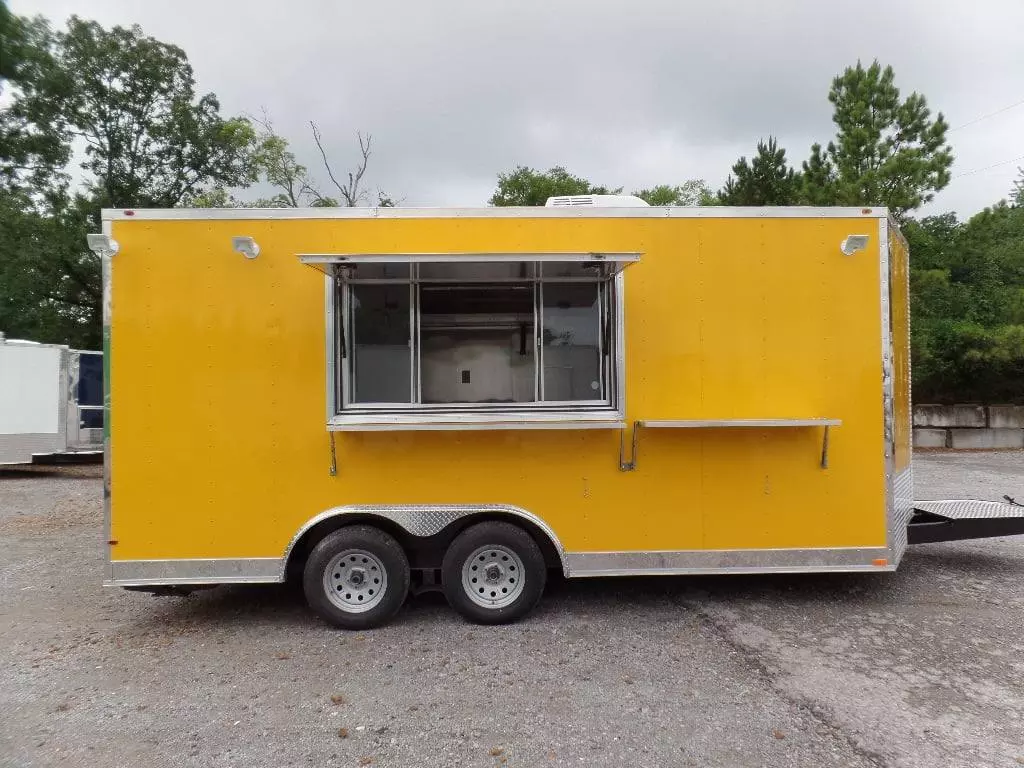
Build a Stronger Mobile Food Business with a Custom Food Truck
The food service industry continues to evolve, and mobile kitchens are becoming one of the most profitable business models for entrepreneurs today.
From street corners and festivals to catering events and corporate gatherings, food trucks create opportunities to serve customers in different locations without the high overhead costs of a traditional restaurant. Because of this flexibility, many business owners are actively searching for custom food trucks for sale that match their goals, branding, and menu requirements.
Custom Food Trucks Becoming More Common
Out on the streets, you see more kitchens on wheels these days. That shift? It comes down to simpler entry - no need to lock into costly long-term rentals.
Picture this: instead of footing high monthly bills for space, power, and upkeep, vendors roll their operations where demand is. A truck cuts through those fixed charges like scissors. Reaching crowds doesn’t mean signing leases anymore. Movement becomes the menu's advantage.
Out here, custom trucks stand out since drivers pick every detail themselves. Rather than squeezing into someone else’s layout, vendors shape a kitchen that fits exactly what they cook and how they move through tasks. That kind of fit means meals go faster, lines flow smoother, even when crowds pile up midday.
Trucks like these show up more often now because they move around easily. Heading to a concert or fair? They go along too - also popping up at sports games, backyard gatherings, even busy street corners. Shifting spots keeps them earning when others sit still. Year after year, that freedom adds extra income.
Custom Food Truck Purchase Advantages
Personalized Kitchen Layout
A single kitchen layout never fits every meal on wheels. While one mobile vendor grills ribs all day, another steams espresso under a tent roof miles away. What works for tacos might fail for smoothies.
Space inside these rigs gets shaped around gear that actually matters - ovens here, freezers there, counter room where it counts.
How things connect changes how fast meals move. Some need three burners front-loaded; others stack coolers behind the wheel well. Design follows what cooks do when customers line up.
Inside the truck, a well-planned kitchen setup means staff move with less effort, doing tasks quicker when things get busy.
Reaching tools becomes smoother when everything has its spot, cutting down wasted steps. When space flows right, workers stay calmer even under pressure. Fewer bumps happen if pathways are clear and logical. Efficiency rises without anyone rushing harder.
Strong Branding Opportunities
Out there rolling down streets, food trucks do way more than cook meals. With every stop they make, people notice them because of how they look.
Bright signs wrap around their sides, showing off names and pictures that stick in your mind. Lights flash when dusk settles, making sure nothing blends into the dark. Each detail painted or pasted tells you who they are without saying a word.
A moving vehicle dressed in clean branding sticks in people's minds, making it easier for clients to spot and feel confident about the company.
While on roads, it turns into a rolling sign that speaks before anyone says a word. Seen from blocks away, it builds familiarity without trying too hard. What shows up repeatedly tends to feel familiar, even safe. That quiet presence can make someone choose one service over another, simply because it looks like they’ve been around.
Better Efficiency and Workflow
Out here in the food game, getting things done fast makes all the difference. When a truck’s layout feels off, workers struggle just to keep up during busy moments.
Instead of guessing what fits where, smart setups plan every inch ahead of time. Moving meals from cooktop to handoff flows better when paths are clear and tools sit close. What you gain is less clutter, fewer delays, more room to actually do the job.
With this flexible setup, waits tend to shrink while work gets done faster, boosting how happy customers feel.
Long-Term Business Value
A custom truck might save money over time since it's made just for how you work. Because the build matches the job, picking strong parts makes sense. Tough components last longer when they fit the task right. Equipment chosen carefully handles daily demands without failing. Built well, these trucks keep going year after year.
When things run smoothly, fixes cost less because breakdowns happen less often. That quiet reliability keeps money coming without surprise stops.
Custom Food Truck Features To Consider
High-Quality Kitchen Equipment
A well-chosen kitchen setup fits both the dishes served and the restaurant's purpose. Because meals depend on consistent results, every grill, fryer, oven, fridge, freezer, and prep area must withstand constant use.
Built tough, these tools keep up without slowing down through busy shifts. Their strength lies in reliability when demand spikes at peak hours. Each piece works hard so service stays smooth from morning until close.
Folks running food trucks need to check that their vehicle follows area rules for health and safety.
Good Airflow and Safe Wiring
Besides keeping cooks comfortable, proper airflow stops smoke from building up. Good hoods pull out steam while strong fans clear fumes. Starting a fryer won’t swamp the space when vents keep pace. Heat gets whisked away before it lingers too long. Exhaust units running well mean fewer greasy surfaces later.
Apart from running lights, the setup must handle every appliance safely. Power flows well when wires meet standards, along with backup units ready to step in.
Storage Space
Out here on the road, space for storage shrinks fast. Built right, a kitchen rig holds everything - spices tucked beside spatulas, scrub brushes near soap bottles, boxes stacked without chaos. Room must stretch wide between stove and sink. Every inch fits something: foil rolls next to aprons, oil cans behind ladles.
A tidy spot begins with clever containers tucked where they’re needed. Efficiency grows when supplies sit close but out of the way. What fits neatly today might shift tomorrow - flexibility matters most.
Water and Plumbing Systems
Water needs on food trucks mean sinks must connect to both clean supply and waste tanks. Working neatly around these parts keeps things hygienic without extra scrubbing each day.
Durable Construction
Out on the streets daily, food trucks face wind, rain, and nonstop cooking inside. Because of this rough routine, tough floor coverings make a difference. Metal countertops stand up well to spills and scraping. The frame needs solid parts to hold everything together through bumpy rides.
Food Truck Builders What To Know
Some makers of concession trailer manufacturers deliver better craftsmanship than others. Before buying, it helps to look into each builder’s work closely - details matter more than promises. One wrong choice might mean delays later. Every feature added changes how smoothly things run down the road.
Picking wisely shapes what happens once service begins.
Most seasoned builders walk clients step by step through planning, shaping floor plans, gear choices, alongside identity touches tied to what they imagine. Looking back at earlier work, feedback from others who’ve bought before often reveals how solid the construction feels and how smooth support runs.
Before you confirm the purchase, find out what warranty covers. Compliance details matter just as much as delivery dates. After everything else, check how help works once the sale ends.
Read: Food Packaging with Logo for Better Marketing at Every Order
Food Trucks Helping Different Industries
Out on the curb, food trucks serve more than just quick bites these days. Across different fields, businesses roll out kitchens on wheels to meet people where they are, trying fresh approaches.
Among well-known ideas are:
- Coffee and beverage trucks
- Gourmet burger businesses
- Ice cream and dessert trucks
- Barbecue food trucks
- Taco and Mexican food trucks
- Vegan and healthy food concepts
- Seafood and specialty cuisine trucks
- Catering and event service businesses
A mobile kitchen on wheels can shift shape however a vendor needs, fitting tools and gear for almost every kind of dish. Custom touches turn steel frames into cooking zones tailored exactly to how someone works.
Custom Food Trucks Help Businesses Grow
Starting small might lead somewhere surprising when it comes to food trucks. A single vehicle on city streets could turn into several over months or years. Loyal customers often appear without warning, drawn by consistent quality or familiar flavors.
Over time, those steady crowds may open doors - brick-and-mortar spots, maybe even multiple locations sharing the same name. Growth isn’t guaranteed, yet some find their way from curbside service to wider reach without shifting core ideas.
Out there on the streets, custom trucks give companies a way to shift gears fast when tastes change. Instead of locking into costly brick-and-mortar spots, operators try out fresh neighborhoods, dishes, or slogans with less risk hanging over their heads.
Online platforms play a part in boosting street vendors. Striking visuals on vehicles catch eyes across feeds, drawing interest through shares instead of ads. Unusual dishes spark curiosity, spreading word faster than traditional spots manage.
Final Thoughts
Food on wheels is getting more popular these days, so starting with a food truck can be a smart move for people launching a eatery. Instead of settling for standard models, picking a made-to-order truck means cooks design the space around their recipes, look, and how they work.
One step at a time, better performance shows up when food trucks are built to fit real needs instead of off-the-shelf models. A smart layout paired with purpose-built gear turns a vehicle into more than just transport - it becomes part of how people connect with what they eat.
While some stick to basics, others find lasting value in materials that hold up and designs that adapt.
A fresh start or a bigger reach - either way, owning a truck made just for your food business might lead straight into the bustling world of on-the-move meals. What matters is showing up where customers are, not waiting for them to find you.
FAQs
Why should I choose a custom food truck instead of a standard model?
From the first moment you step inside, everything fits just right - built around how you cook, what you serve, where things go. Efficiency grows when tools line up with routine, not against it.
How long does it take to build a custom food truck?
Depending on how involved the design is, plus what gear’s needed, timing shifts. Some setups wrap up quicker if changes are minor. A typical build might last anywhere from three weeks into late summer.
Could starting a specialty mobile kitchen pay off down the line?
Most folks find custom food trucks worth the investment since they run smoothly, stand out visually, often move where demand is high - yet skip expenses tied to brick-and-mortar spots. Over time, that adds up.