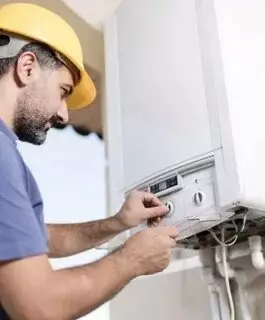
Broken Heating Systems: What Tenants Can Do
Heating is not a luxury in the UK—it’s a legal necessity. With long, cold winters and damp weather conditions, a functioning heating system is vital to your health and wellbeing. Unfortunately, many tenants are left without heating due to landlord negligence, especially in social and privately rented housing. If you’re currently living with a broken boiler or faulty central heating, it's essential to know your rights and how to take action.
If your landlord has failed to carry out necessary heating repairs, the Housing Disrepair Claims can help you hold them accountable and even claim compensation.
Why Heating Is a Legal Requirement
Under UK law, landlords are obligated to ensure that rental properties are "fit for human habitation." This includes the provision of a safe and working heating system.
As per the Landlord and Tenant Act 1985, all landlords must:
- Maintain the structure and exterior of the property.
- Keep installations for space heating and water heating in proper working order.
- Provide a safe and liveable environment for tenants.
This means that if your boiler isn’t working, your radiators don’t heat up, or you have no access to hot water, your landlord is breaching their legal duties.
Common Heating Issues in Rented Homes
Tenants across the UK face a range of heating problems. Some of the most common include:
- Broken boilers or heating units
- Faulty thermostats or timers
- Radiators that do not heat up
- Inefficient or outdated systems
- No hot water supply
- Central heating breakdowns during winter
These issues not only lead to physical discomfort but can also cause stress, illness, and damage to other parts of your property, such as frozen pipes or increased dampness.
Health Risks Associated with Lack of Heating
Without a functioning heating system, tenants—particularly children, elderly individuals, and those with chronic illnesses—are exposed to severe health risks.
Health concerns include:
- Hypothermia
- Respiratory infections
- Worsening of asthma or arthritis
- Increased susceptibility to colds and flu
- Mental health effects from stress and discomfort
Prolonged exposure to cold can also exacerbate existing medical conditions and result in higher healthcare expenses.
Reporting Heating Problems to Your Landlord
As a tenant, your first step should be to inform your landlord or letting agency as soon as the problem arises. This should be done in writing (email or letter), and you should:
- Describe the nature of the problem
- Explain how long it has been occurring
- Include photos or videos if relevant
- Request urgent repairs
- Keep a record of all communication
Under normal circumstances, landlords are expected to respond to urgent heating issues within 24 to 48 hours, especially during the winter months.
What If the Landlord Ignores the Problem?
If your landlord fails to act, you have several options:
Contact the Environmental Health Department at your local council. They can inspect the property and issue a legal notice requiring your landlord to make repairs.
Seek legal support through a housing disrepair solicitor, especially if the issue has been ongoing and is affecting your health or quality of life.
Withhold rent in some extreme cases (only under legal guidance), though this can be risky without professional advice.
File a housing disrepair claim to get the heating fixed and receive compensation.
The Housing Disrepair Team UK can assist you throughout this process, ensuring your landlord is held accountable under the law.
Are You Entitled to Compensation?
Yes. If you've been living without adequate heating and your landlord failed to make timely repairs, you could be entitled to compensation for:
- Physical discomfort
- Health problems
- Damage to belongings
- Increased heating costs due to temporary measures
- Loss of amenity, such as being unable to use parts of your home
- Stress and inconvenience
Compensation amounts will vary based on the length and severity of the problem. In some cases, tenants have received thousands of pounds for prolonged periods of disrepair.
Temporary Heating Solutions
While your landlord should be fixing the issue promptly, you may need to take short-term action to protect yourself and your family. These include:
- Using portable heaters (though these can increase energy bills)
- Wearing thermal clothing indoors
- Blocking drafts with curtains or draft excluders
- Ensuring proper ventilation to avoid damp and mould
- Seeking help from local charities or authorities if you’re vulnerable
However, remember that these are only temporary solutions—the responsibility for permanent repair lies squarely with your landlord.
How Housing Disrepair Team UK Supports You
We understand how frustrating and exhausting it can be to chase landlords and live in unsuitable housing. That’s why Housing Disrepair Team UK provides:
- Free case assessments
- No-win, no-fee legal representation
- Assistance with evidence gathering
- Handling all landlord communication
- Claim filing and legal follow-through
- Help securing fair compensation
Whether you’ve already reported the issue or are just starting the process, we can guide you at every step and make sure your rights as a tenant are fully protected.
Real Tenant Stories
Here are two real-life examples of how we’ve helped tenants across the UK:
- Sarah from Birmingham lived with a broken boiler for over two months during winter. Her landlord ignored multiple emails. With our help, she received £3,200 in compensation and her boiler was replaced within two weeks.
- James from Glasgow had no hot water or heating for three weeks. After contacting Housing Disrepair Team UK, he received emergency heating support and later secured £2,100 in a settlement.
These cases are just a glimpse of the justice tenants can achieve when supported by the right professionals.
Read: Legal Formalities in Starting a Franchise in India
Final Thoughts
No one should have to suffer in a cold home, especially when the law is on your side. If you’re living with a broken heating system and your landlord is failing to act, know that help is available.
Reach out today to get expert support, take legal action if necessary, and restore warmth and comfort to your home. You deserve to live in a property that is safe, habitable, and properly maintained.