Breathwork Sessions for Trauma Release: A Complete Guide
Source: https://biodynamicbreath.com/news/breathwork-session/
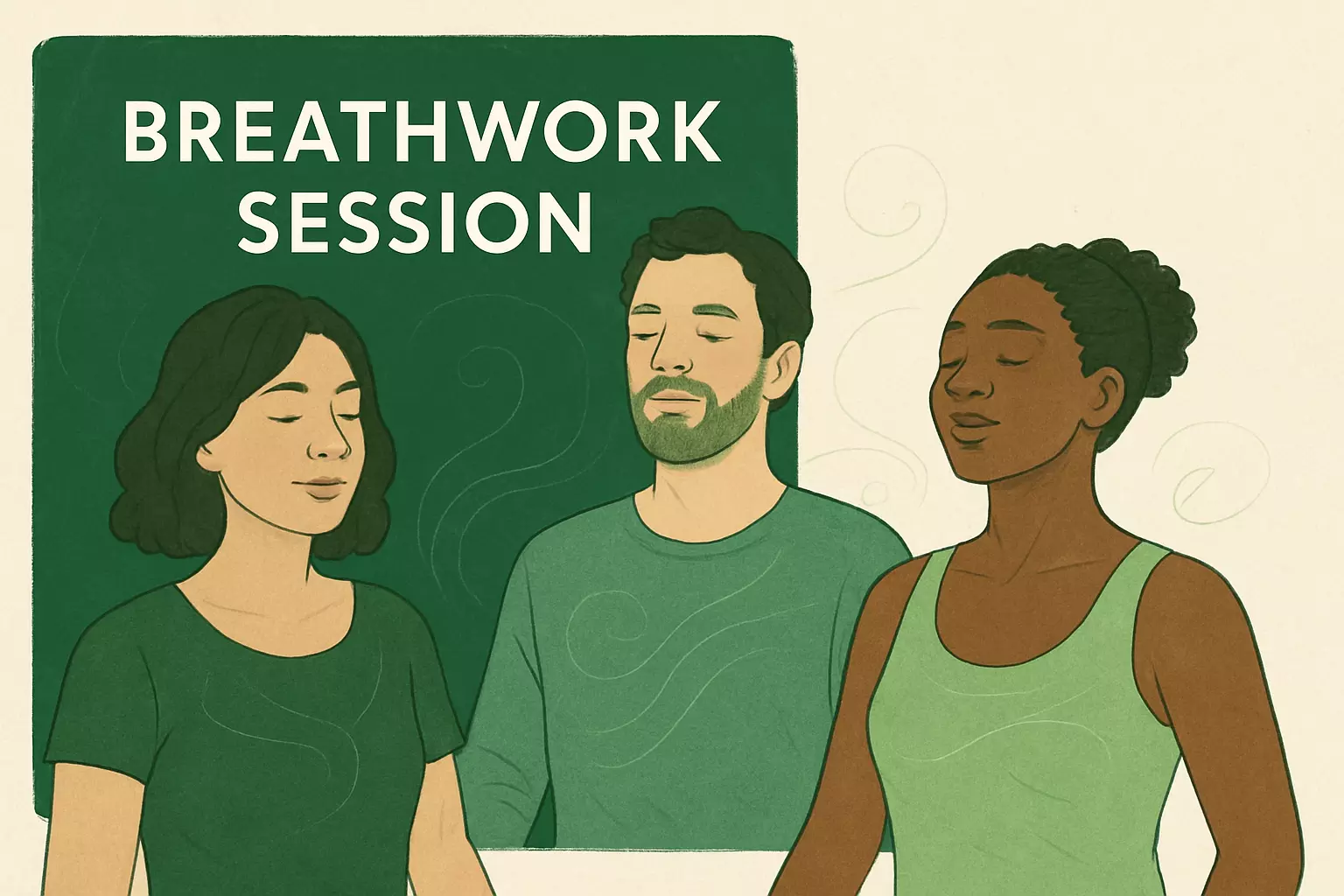
In the evolving landscape of wellness and trauma-healing, a dedicated breathwork session can become a turning point. According to BBTRI’s news post, a guided breathwork session isn’t simply “doing some breathing” — it’s a structured, embodied process that invites deep somatic awareness, nervous system regulation, and emotional release.
Whether you’re new or are already familiar with breath-based modalities, understanding what a session involves, how it works, and how you can prepare makes all the difference.
Read: Exploring Health Insurance Plans in India – A 2025 Buyer's
What Happens During a Session?
The article outlines that a typical BBTRS® (Biodynamic Breathwork & Trauma Release System®) session is thoughtfully crafted to support you on multiple levels:
- Initial orientation/discussion: You begin by discussing with the facilitator what you’re noticing in your life, what you’re carrying, and what you might like to explore. This sets intention and safety.
- Connected breathing: You then engage in continuous, deep, connected breath—meaning minimal pause between inhale and exhale. This pattern helps stimulate the nervous system and opens containers for experience.
- Somatic & emotional release: As your breathing continues, elements like movement, sound, felt-sense (awareness of bodily sensation), and sometimes touch may be used to support release of what’s held in the body.
- Integration & return: After the intensive phase, time is given to return the breath to its natural rhythm, ground the body, reflect on what emerged, and prepare for the “after” of the session.
The article emphasises that a session isn’t just a one-time “event” but part of a larger healing trajectory. A well-facilitated session helps you access internal resources and self-regulation capacity—not just crash and burn.
Why Sessions Are So Potent
Several factors make such sessions uniquely potent, according to the BBTRI write-up:
1. Nervous system activation + regulation
By using connected breathing, the session engages the sympathetic nervous system (SNS) in a controlled way—something many relaxation methods avoid. Why? Because trauma often lodges in the body’s response systems, particularly where “fight/flight/freeze” patterns got interrupted.
The session also uses resources, grounding, movement and breath to help re-regulate the system, building resilience and “window of tolerance”.
2. Somatic awareness and felt sense
Instead of just thinking about emotions or trauma, a session asks you to feel them in the body: what’s the sensation? Where is the tension? What is the quality of it? This “bottom-up” approach (body → mind) works alongside more traditional “top-down” therapy (thinking, talking).
3. Release of stored patterns
Many of us carry unresolved emotional, energetic or physical patterns from past experiences (trauma, chronic stress, suppressed emotions). The session creates space for these to move through—sometimes in subtle waves, sometimes more dramatically. The article notes tears, laughter, physical shaking, spontaneous movement as natural expressions.
4. Integration & supportive container
Just as important as the “peak” of the session is what happens after. The write-up stresses that the environment is held safely: a trained practitioner, screening questions, after-care. Without this, a powerful session can risk feeling unresolved or destabilising.
How to Prepare for Your Session
If you’re considering attending a breathwork session with BBTRI (or a similar trauma-informed breathwork provider), here are practical preparation tips drawn from the article and best practices:
- Choose clothing that is comfortable and allows freedom of movement (e.g., loose pants/leggings, a T-shirt). You may lie down, sit, and move slightly.
- Bring a water bottle and ensure you are hydrated; avoid heavy meals just before the session.
- Arrive with an open mind and curiosity—not necessarily a fixed expectation. Know that each session can vary widely.
- Consider your physical and emotional state: If you’re unwell, have major surgery, are pregnant, or have certain psychiatric or cardiac conditions, inform the facilitator ahead of time.
- After the session, give yourself time to integrate. Plan for some gentle movement or rest—not a full busy day. Journaling, walking in nature, or simply being quiet can help what surfaced to settle.
- Set or reflect on your intention: What do you hope for? What might you be ready to let go of? Intention isn’t about forcing an outcome—it’s about direction and clarity.
What You Might Experience
While each session is unique, the article gives us a sense of what people often report:
- Waves of emotion: sadness, anger, joy, fear, release. Sometimes participants cry, sometimes laugh or sigh deeply.
- Bodily movement or sensations: shivers, tingling, heat/cold, spontaneous small movements of limbs or torso—these are body-language of release.
- Insight or imagery: Some participants notice memories, symbolic visions, or feel as though they’ve “moved through” something.
- A grounded but shifted state: Many leave the session with a sense of being lighter, more embodied, clearer, or more present in their body.
- Occasional “after-effects”: fatigue (because the body has worked), heightened sensitivity to breath/feeling, improved sleep or greater emotional spaciousness.
Is a Session Right for You?
According to the piece, and consistent with trauma-informed practice, a breathwork session is appropriate when you:
- Are ready to engage your body and nervous system, not just your mind.
- I want to move beyond talk-therapy alone and explore deeper embodiment, release and integration.
- Have the capacity (or willingness to build it) to be supported afterwards—rest, reflect, speak if needed.
- Feel safe working with a trained facilitator who understands trauma, somatics, nervous system regulation and integration.
Read: The Role of Compliance in Successful Healthcare Mobile App
If you currently are in a highly destabilised state, or dealing with acute psychiatric crisis, untreated severe trauma, or cardiac/epileptic conditions, the article recommends seeking guidance and choosing someone with trauma-informed and somatic training. (source)
Final Thoughts
A single breathwork session isn’t a magic bullet—but as the article emphasises, it can act as a powerful catalyst for change. When held in the right container—with skilled facilitation, somatic awareness, and integration time—the session can unlock new pathways of healing, vitality, presence and aliveness.
If you’re curious, consider attending with a beginner’s mind. Let the breath be your guide, allow your body to speak, and give yourself the space to witness what arises without judgement. The real transformation often lies not just in the session itself, but in what you do with what arises afterwards.
Contact Info
If you're interested in sessions, training, or more information at BBTRI:
Organisation: Biodynamic Breathwork & Trauma Release Institute (BBTRI)
Website: https://biodynamicbreath.com
Email: [email protected]