Best Camera Placement Guide: Where to Install CCTV Cameras Around Your House
Buying good cameras is only half the job — where you actually mount them determines whether that investment translates into genuinely useful footage or a system that technically records but misses what actually matters.
This walks through the specific points around a typical home worth prioritizing and the practical placement considerations that make the difference between adequate and genuinely effective coverage.
Start With the Main Entrance
The front door or main gate is almost always the single most important camera position on any property, since this is where most visitors, deliveries, and unfortunately most unauthorized entry attempts occur.
When weighing CCTV camera options for this specific position, prioritize a camera that captures faces clearly at a normal approach distance and angle, mounted at a height that avoids only catching the tops of people's heads
generally somewhere around door height or slightly above, angled to capture someone's face as they naturally approach rather than looking straight down from an overly high mounting position.
This position also benefits from strong night vision performance, given how much visitor and delivery activity happens after dark, and from a wide enough field of view to capture not just the door itself but a reasonable approach area leading up to it.
Cover the Driveway and Vehicle Areas
If your property includes a driveway, carport, or dedicated parking area, this deserves its own dedicated coverage separate from your main entrance camera, since vehicles and their contents are common targets and a driveway often sits at a different angle and distance than your front door.
A camera positioned to capture both the vehicle itself and anyone approaching it gives you useful coverage for both vehicle-related incidents and general activity in that specific area.
For larger properties with extensive parking areas, a PTZ camera covering the wider vehicle zone can be more practical than several fixed cameras trying to cover the same broad area,
particularly if the parking area is large enough that a single fixed camera's field of view would need to be so wide that individual detail becomes harder to make out clearly.

Side Pathways and Secondary Access Points
It's easy to focus entirely on the main entrance and overlook side pathways, gates, or secondary access points that, while less obviously visible, represent genuine access opportunities precisely because they're less visible from the street or from inside the house.
Any secondary access point — a side gate, a pathway along the boundary wall, or a rear entrance — deserves its own camera rather than being left uncovered simply because it feels like a lower-traffic area.
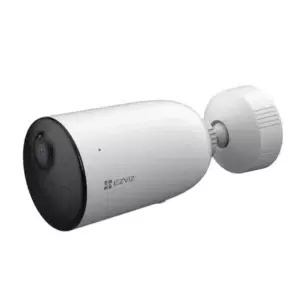
These positions often work well with a compact wireless camera for home use, since running cable to a secondary, less prominent position can be more disruptive than the position's relative importance justifies, and a wireless camera offers flexibility to adjust positioning later if you find the initial angle doesn't capture the area as well as intended.
Boundary Wall Coverage for Larger Properties
For properties with an extended boundary wall, particularly larger homes or those on bigger plots, covering the full length of the boundary rather than just the main gate helps close gaps where someone might attempt entry away from the more heavily monitored front point.
Depending on the boundary's length and layout, this might mean several fixed cameras at strategic points, or a single wide-coverage or rotating camera if the boundary is long enough that fixed cameras alone would need many units to eliminate gaps.
Read: Grasping Improper Structure in CCTV Installation Near me
Indoor Coverage: Prioritize Selectively Rather Than Room by Room
Most homes don't need a camera in every room, and attempting comprehensive indoor coverage often means spreading budget too thin rather than genuinely improving security.
Instead, prioritize indoor positions that matter most — a main hallway that connects to multiple rooms, an entryway just inside the front door, or a room containing a safe or particularly valuable items.
These positions give you meaningful indoor coverage without needing a camera in every bedroom or living space, which many households would consider excessive for a typical home's actual risk profile.

The Backyard or Rear Boundary
Rear boundaries and backyards are sometimes overlooked in favor of the more visible front-facing positions, but they represent a genuine access point precisely because they're less visible from the street and from neighbors.
If your property has a rear boundary wall, gate, or backyard area with potential access from outside the property, this deserves coverage proportional to how accessible that area actually is from outside your property line, rather than being deprioritized purely because it faces away from the street.
Considering Resolution and Quality by Position
Not every camera position needs identical specifications. Positions where identification detail genuinely matters — your main gate, driveway, or any point where you specifically need to identify faces or vehicles —
benefit from higher resolution options, even though this means checking IP camera price figures more carefully for these specific positions given the added cost of higher resolution.
Lower-priority interior positions, where general activity awareness matters more than fine identification detail, can reasonably use more modest, budget-friendly options without meaningfully compromising your overall security coverage.
Mounting Height: A Detail That's Easy to Get Wrong
Mounting height affects both coverage angle and tamper resistance. Cameras mounted too low are easier to physically reach and potentially disable or obstruct, while cameras mounted too high without proper downward angling often only capture the tops of heads rather than clearly identifiable faces.
A general guideline worth following is mounting outdoor cameras high enough to be out of easy reach while still angled to capture faces at a normal height for someone approaching, rather than defaulting to the highest possible mounting point regardless of the resulting angle.
Avoiding the Common Mistake of Overlapping Coverage While Missing Actual Gaps
It's worth walking your property specifically looking for genuine gaps rather than assuming more cameras automatically means better coverage.
Two cameras with significantly overlapping fields of view covering the same well-monitored area while a genuine blind spot elsewhere goes uncovered is a common, avoidable mistake.
Physically walking your property's actual boundary and entry points, checking what each planned camera position would realistically capture, helps identify genuine gaps before finalizing your camera plan rather than discovering them only after installation.
A Practical Placement Priority Checklist
- Main entrance/gate: Highest priority — clear face-level coverage with strong night vision.
- Driveway and vehicle areas: Dedicated coverage separate from the main entrance camera.
- Side pathways and secondary access points: Don't overlook these simply because they're less visible.
- Boundary wall (for larger properties): Cover the full length, not just the main gate, using fixed or rotating cameras as the layout requires.
- Selective indoor coverage: Prioritize hallways, entryways, and valuable-item areas rather than every room.
- Rear boundary and backyard: Proportional coverage based on actual outside accessibility, not just street-facing visibility.
Getting camera placement right comes down to genuinely walking your property and identifying where real risk actually concentrates, rather than defaulting to a generic camera count or copying a neighbor's setup.
Prioritize your main entrance and any genuinely accessible boundary points first, add selective indoor coverage where it matters most, and physically verify each position's actual field of view before considering your placement plan finished.