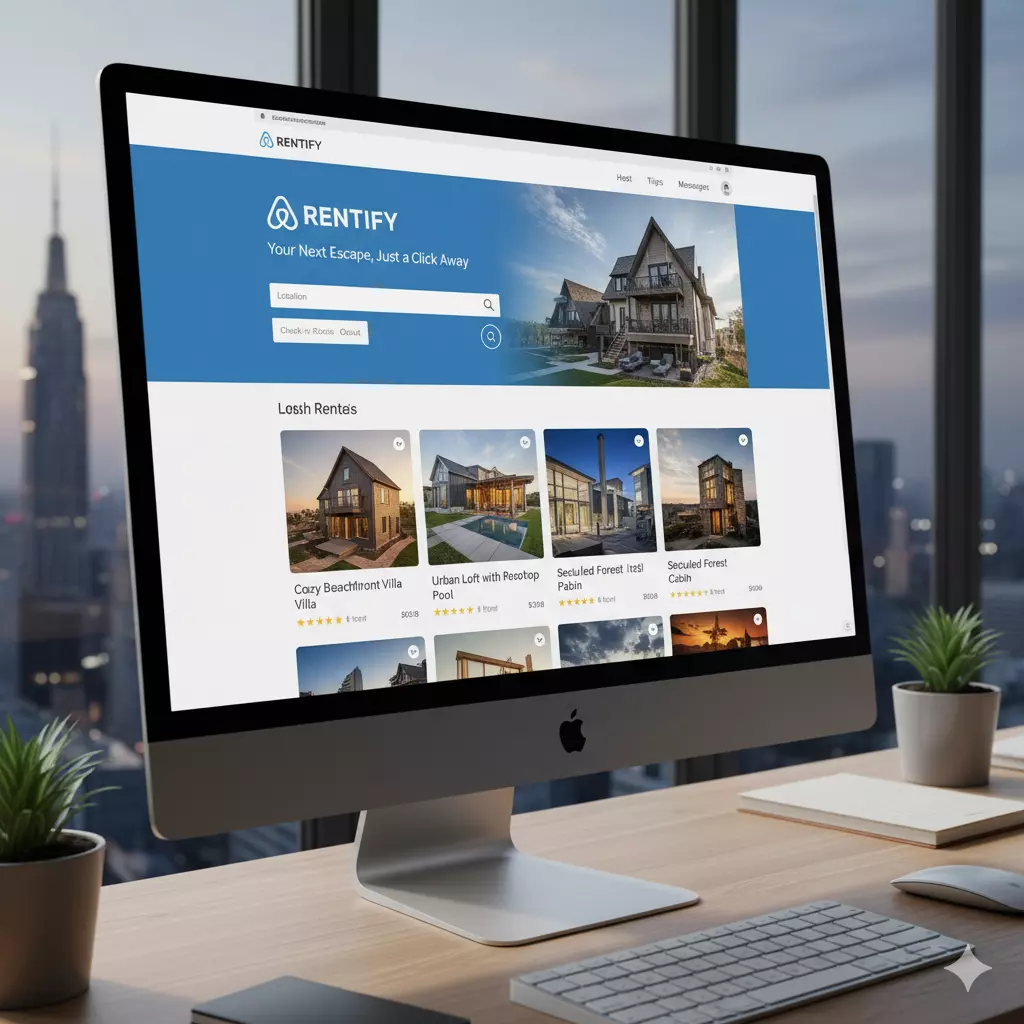
Airbnb-Like App Development: Build, Scale & Grow Seamlessly
The rise of digital marketplaces has transformed the travel and hospitality landscape, with platforms like Airbnb leading the revolution. For entrepreneurs and enterprises, the opportunity to build their own property rental marketplace has never been greater.
Airbnb like app development empowers businesses to launch scalable solutions tailored to local and global audiences. Whether you want a white-labeled airbnb clone or a custom-built platform, understanding the process, features, challenges, and growth pathways is essential for long-term success.
This article explains how businesses can build, scale, and grow a powerful rental marketplace app seamlessly.
Understanding the Demand for Airbnb-Like Platforms in Today’s Market
Modern travelers prefer flexible, unique, and cost-effective accommodation options. Hosts, on the other hand, look for easy-to-use platforms that help them monetize their spaces. This dual-sided demand has made Airbnb clone development a valuable opportunity for startups, travel brands, and real estate businesses.
A well-developed airbnb clone provides:
- Custom branding and tailored features
- Faster go-to-market results
- Seamless user experience for hosts and guests
- Monetization options such as commissions, subscriptions, and listing fees
As the sharing economy expands, the scope for new rental platforms across niches like vacation homes, co-living, farm stays, luxury villas, and work-friendly rentals continues to grow.
Key Components of Airbnb-Like App Development for a Successful Marketplace
Building a platform similar to Airbnb requires a strategic approach and a strong technology foundation. Airbnb like app development combines user-centric design, robust backend architecture, and advanced marketplace features.
Core components include:
1. User Registration and Profile Management
Guests and hosts must be able to onboard smoothly, verify their identity, and manage their listings or bookings.
2. Property Listings and Smart Search
Detailed listings with images, amenities, pricing, and availability help guests find the right stay. Smart filter options make navigation efficient.
3. Real-Time Availability and Booking Engine
The booking engine should handle date availability, instant bookings, custom pricing, seasonal pricing, and cancellation settings.
4. Secure Payment Gateway Integration
Support for multiple payment methods ensures seamless and secure transactions between hosts and guests.
5. Ratings, Reviews, and Trust-Building Tools
A transparent feedback ecosystem improves platform reliability and helps guests make informed decisions.
6. Messaging and Notifications
In-app chat, alerts, and updates improve communication between hosts and guests, ensuring a smooth booking process.
7. Admin Panel for Complete Platform Control
Admins should be able to manage listings, users, payments, disputes, promotions, and content efficiently.
Why an Airbnb Clone Is the Smartest Shortcut to Launching Your Platform
Developing a marketplace from scratch requires significant time, cost, and technical resources. This is where an airbnb clone becomes valuable. It accelerates the development cycle, reduces risk, and provides an already-tested framework.
Benefits of using an airbnb clone include:
- Faster launch with pre-built modules
- Reduced development costs
- Customizable platform design and features
- Built-in security and compliance frameworks
- High scalability for future expansions
Airbnb clone development gives businesses a solid starting point without compromising customization or performance.
Advanced Features That Enhance the User Experience and Platform Performance
To stand out in the competitive rental marketplace, modern platforms integrate advanced functionalities such as:
- AI-powered recommendations
- Dynamic pricing tools
- GPS-based search
- Multi-currency and multilingual support
- 360° virtual property tours
- Host dashboards with earnings analytics
- Automated reservation management
These features elevate both guest experience and host convenience, making the platform more engaging and profitable.
Read: How Blazor Fits into Your Enterprise Tech Stack Today
Technology Stack for Building a High-Performing Airbnb-Like App
A scalable rental marketplace requires the right technology mix. Although every project varies, common technologies include:
- Frontend: Angular, React, Vue.js
- Backend: Node.js, Ruby on Rails, Laravel, Python Django
- Databases: MySQL, PostgreSQL, MongoDB
- Mobile Apps: Swift, Kotlin, Flutter, React Native
- Cloud Hosting: AWS, Google Cloud, Azure
- Integrations: Stripe, PayPal, Twilio, Google Maps API
Selecting the right architecture ensures the platform can handle traffic growth, data security, and performance demands.
Step-by-Step Process of Airbnb-Like App Development
A strategic development lifecycle is essential for building a reliable rental marketplace.
Step 1: Market Research and Business Analysis
Identify your niche, customer expectations, regional regulations, and monetization model.
Step 2: App Design and Prototyping
Create intuitive UI/UX flows that simplify the user journey for hosts and guests.
Step 3: Core Development
Develop user apps, host modules, admin panels, APIs, databases, and payment integrations.
Step 4: Testing and Quality Assurance
Conduct performance, security, functionality, and usability testing to eliminate issues.
Step 5: Launch and Deployment
Deploy the system on cloud servers with proper configuration and monitoring.
Step 6: Continuous Updates and Feature Enhancements
Introduce advanced features, optimize performance, and improve security over time.
Scaling Your Airbnb-Like App for Long-Term Success
Launching the platform is just the beginning. Sustainable growth requires continuous optimization and scaling strategies.
Effective ways to scale include:
- Expanding into niche accommodations
- Enhancing personalization with AI
- Offering loyalty programs for guests
- Building host support tools
- Expanding into new geographic markets
- Automating verification and content moderation
A well-planned scaling framework ensures the platform grows steadily while maintaining performance.
Revenue Models to Monetize Your Airbnb-Like Marketplace
Your airbnb clone can generate revenue in multiple ways:
- Commission on bookings
- Subscription fees from hosts
- Featured listings
- Service fees for guests
- In-app advertising
- Host tools and premium add-ons
A flexible revenue model helps maximize profitability as the platform grows.
Conclusion
Airbnb like app development offers businesses an opportunity to enter the expanding travel and rental marketplace with a strong, scalable solution. Whether you choose an Airbnb clone or decide on custom development, the key lies in a well-planned strategy, robust technology stack, and continuous optimization. With the right approach, you can build, scale, and grow a powerful rental marketplace that meets modern user expectations and supports long-term business sustainability.
Frequently Asked Questions (FAQs)
1. What is an Airbnb clone?
An airbnb clone is a ready-made platform designed to replicate the core functionality of Airbnb, allowing businesses to launch a rental marketplace quickly with customizable options.
2. How long does Airbnb-like app development take?
Depending on features and customization, the development timeline can range from 6 weeks to several months.
3. Is an Airbnb clone customizable?
Yes, an airbnb clone can be tailored to your branding, business model, features, and target market.
4. What is the cost of Airbnb clone development?
Costs vary based on features, scalability needs, technology stack, and development approach.
5. Can I scale the platform later?
Yes, airbnb like app development supports high scalability. You can add new features, expand to more locations, and integrate advanced technologies over time.
6. Which industries can benefit from Airbnb-like platforms?
Vacation rentals, co-living spaces, student housing, farm stays, boutique hotels, corporate stays, and niche accommodation platforms can all benefit.