Advanced Roof Heat Insulation Materials for Optimal Indoor Temperature Control
The roof of a building plays a crucial role in maintaining the comfort of the interior, especially when it comes to temperature control. Whether it’s the scorching heat of summer or the chill of winter, an insulated roof acts as a shield to keep indoor temperatures stable. Without proper insulation, homes and commercial spaces often rely heavily on air conditioning or heating systems, leading to high energy consumption and increased utility bills.
In countries like India, where temperature extremes are common, the need for high-quality roof heat insulation material India has grown significantly. Advanced roof insulation materials can help reduce energy usage, enhance comfort, and promote a more sustainable living environment. This blog explores the most effective roof heat insulation materials that ensure optimal indoor temperature control, making your building energy-efficient, comfortable, and cost-effective.
Read: Heat Treatment Process in High Tensile Bolt Manufacturing
Importance of Roof Heat Insulation
The roof is one of the primary areas where heat transfer occurs. During the summer, the roof absorbs a significant amount of heat from the sun, causing indoor temperatures to rise. In the winter, the lack of insulation allows heat to escape, making it harder to maintain warmth indoors. This leads to the continuous operation of heating or cooling systems, driving up energy consumption and carbon emissions.
By using advanced roof heat insulation materials, you can effectively reduce the amount of heat that enters or escapes the building. Insulating your roof not only ensures that indoor temperatures remain comfortable but also minimizes the strain on HVAC systems, leading to substantial energy savings. These materials help keep your building cool in the summer and warm in the winter, contributing to a more sustainable and energy-efficient lifestyle.
Types of Advanced Roof Heat Insulation Materials
When selecting a roof insulation material, it’s important to choose one that best suits your building’s needs, taking into account factors such as climate, building type, and insulation goals. Here are some of the advanced roof heat insulation materials that provide optimal temperature control and energy efficiency:
Spray Foam Insulation
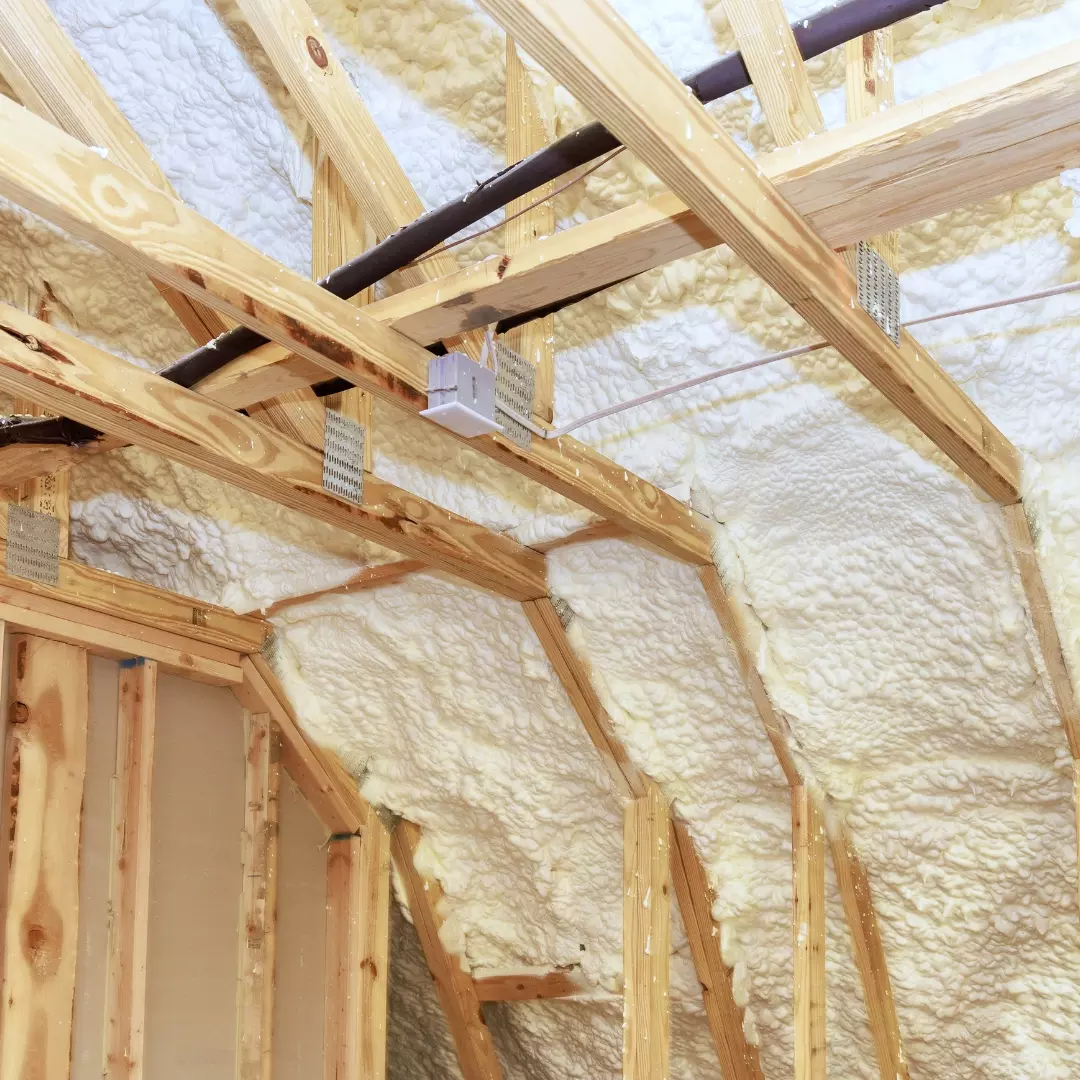
Spray foam insulation, also known as polyurethane foam, is one of the most advanced and effective roof insulation materials available. It expands upon application, filling gaps and cracks in the roof, creating a seamless and airtight barrier. This insulation material not only reduces heat transfer but also prevents air leakage, making it an excellent choice for buildings that need high thermal resistance.
Spray foam insulation is particularly beneficial for buildings in India, where varying climates demand flexibility and high performance from insulation materials. The material provides superior thermal performance, keeping buildings cool in the hot summer months and retaining warmth during colder seasons. It also has moisture-resistant properties, which helps prevent mold growth, making it suitable for areas with high humidity.
Reflective Foil Insulation
Reflective foil insulation is a high-performance material designed to reflect radiant heat away from the building. It is typically made from aluminum or other reflective materials and works by reflecting up to 97% of radiant heat, thus keeping the interior of the building cooler during hot weather. Reflective foil insulation is lightweight, easy to install, and ideal for regions where heat gain through the roof is a significant concern.
In India, where sun exposure is intense, reflective foil insulation helps keep homes and commercial spaces cooler, reducing the reliance on air conditioning and improving overall energy efficiency. It is especially effective in areas with hot climates, where keeping indoor temperatures down is a top priority.
Mineral Wool (Rock Wool) Insulation
Mineral wool, also known as rock wool, is a naturally fire-resistant and highly durable insulation material. It provides excellent thermal insulation and helps reduce both heat loss in the winter and heat gain in the summer. Mineral wool is made from volcanic rock or slag, and its unique structure allows it to trap air, making it an effective barrier against temperature fluctuations.
This material is also soundproof, providing an added benefit for buildings in noisy areas. Mineral wool is resistant to moisture, which prevents mold growth, and it is highly durable, ensuring that it lasts for years with minimal maintenance. Its combination of thermal and acoustic benefits makes it a great choice for residential and commercial roofs.
Rigid Foam Insulation (Polyiso)
Rigid foam insulation, such as Polyisocyanurate (Polyiso), is one of the most efficient roof insulation materials due to its high R-value, which measures the material’s thermal resistance. Polyiso is a rigid foam board that can be easily installed and is ideal for flat roofs. It provides superior thermal performance and moisture resistance, making it an excellent choice for buildings that experience a wide range of temperatures.
Rigid foam boards like Polyiso are also lightweight, easy to handle, and can be cut to fit any space. Polyiso boards are commonly used in commercial buildings and industrial applications, but they are also gaining popularity for residential projects due to their high efficiency and cost-effectiveness.
Green Roof Insulation
A green roof, or living roof, is an innovative insulation solution that incorporates vegetation on the roof surface. The plants act as a natural barrier, helping to insulate the building by preventing heat transfer. Green roofs offer the added benefit of improving air quality, reducing stormwater runoff, and contributing to biodiversity.
While green roofs are typically more expensive to install, they provide long-term energy savings and environmental benefits. They are particularly effective in urban areas where heat islands are a concern, as the plants help cool the surrounding environment, creating a more sustainable urban space.
Benefits of Advanced Roof Heat Insulation Materials
Choosing advanced roof heat insulation materials can offer several key benefits for your building:
Improved Energy Efficiency
By reducing the amount of heat that enters or escapes the building, advanced insulation materials help minimize the need for heating and cooling systems, leading to reduced energy consumption and lower utility bills.
Enhanced Comfort
Proper insulation ensures that indoor temperatures remain consistent throughout the year, providing a comfortable living or working environment. Whether it’s the summer heat or winter chill, roof insulation maintains a stable indoor climate.
Environmental Benefits
Advanced insulation materials contribute to sustainability by reducing energy consumption and lowering greenhouse gas emissions. By improving a building’s energy efficiency, these materials help reduce its overall environmental impact.
Long-Term Savings
While the initial cost of some insulation materials can be higher, the long-term energy savings and enhanced comfort make them a wise investment. With the right insulation, you can save on heating and cooling costs for years to come.
Read: Why does Hot Food Lose Flavor Without Proper Wrapping?
Conclusion
Advanced roof heat insulation material India plays a crucial role in maintaining optimal indoor temperature control while reducing energy consumption and improving comfort. Whether you choose spray foam insulation, reflective foil, or rigid foam boards, each material offers unique benefits suited for different building types and climates.
At Perlcon Premix Pvt. Ltd., we offer high-quality, innovative insulation solutions designed to enhance energy efficiency and comfort. Our products help you achieve a more sustainable, cost-effective building while maintaining a comfortable indoor environment. Contact us today to explore our advanced roof heat insulation materials and take the first step toward a more energy-efficient and environmentally friendly building.