A Complete Guide to Restoring Your Smile and Confidence
A healthy smile can make a meaningful difference in everyday life. It helps people speak clearly, enjoy their favorite foods, and feel more confident when interacting with others. However, missing or severely damaged teeth can affect more than just appearance.
They may make chewing difficult, change the way a person speaks, and create challenges with everyday activities. Fortunately, modern dentistry offers several options for replacing missing teeth, and dental implants are among the most widely used solutions.
For people considering Dental Implants Van Nuys, understanding the treatment process, potential benefits, costs, and recovery requirements is an important first step.
Dental implants are designed to replace missing tooth roots and provide support for artificial teeth that look and function much like natural teeth. Depending on individual needs, they may be used to replace a single tooth, several missing teeth, or an entire arch of teeth.
Residents of Van Nuys, California, have access to modern dental services that can help them explore different tooth replacement options.
Whether someone has lost a tooth because of an accident, tooth decay, gum disease, or another dental problem, a qualified dental professional can evaluate their condition and discuss suitable treatment options.
This guide explains everything patients should know about dental implants in Van Nuys, including common causes of tooth loss, the advantages of implant treatment, the step-by-step procedure, recovery tips, possible risks, and questions to ask before beginning treatment.
What Are Dental Implants?
Dental implants are small posts, usually made from titanium or another biocompatible material, that are placed into the jawbone to replace missing tooth roots. A biocompatible material is one that is designed to work safely with the body's tissues.
After placement, the implant gradually bonds with the surrounding bone through a natural process called osseointegration. This connection creates a stable foundation for an artificial replacement tooth.
A typical dental implant restoration has three main components:
- Implant post: A small post placed in the jawbone to act as an artificial tooth root.
- Abutment: A connector that attaches the replacement tooth to the implant.
- Dental crown: The visible artificial tooth designed to resemble a natural tooth.
The final restoration is carefully planned to fit the patient's bite and complement the appearance of their smile.
Dental implants can be used in several situations. A patient missing one tooth may receive a single implant and crown.
Someone missing multiple teeth may benefit from several implants supporting a dental bridge. Patients who have lost most or all of their teeth may be candidates for implant-supported dentures or full-arch restorations.
The appropriate option depends on the patient's oral health, bone condition, budget, and treatment goals.
Common Causes of Missing Teeth
Tooth loss can happen for different reasons. Understanding the underlying cause can help patients take better care of their remaining teeth and make informed decisions about replacement options.
1. Advanced Tooth Decay
Tooth decay develops when bacteria in the mouth produce acids that damage tooth enamel. If cavities are not treated, the damage can spread into deeper parts of the tooth.
Severe decay may eventually make a tooth impossible to restore. In such cases, extraction may be necessary, and a dental implant may be considered as a replacement.
2. Gum Disease
Gum disease is an infection that affects the tissues supporting the teeth. In its advanced stages, it can damage the bone and ligaments that hold teeth in place.
As the supporting structures become weaker, teeth may loosen and eventually fall out or require removal.
Patients with a history of gum disease need careful evaluation and treatment before receiving dental implants.
3. Accidents and Dental Injuries
Sports injuries, falls, vehicle accidents, and other unexpected events can damage or knock out teeth.
Depending on the injury, a dentist may recommend repairing the natural tooth or replacing it with an implant if it cannot be saved.
4. Age-Related Dental Changes
Aging does not automatically cause tooth loss. However, older adults may have a greater history of dental problems, including gum disease, decay, and weakened teeth.
With proper evaluation, some older adults may be suitable candidates for dental implant treatment.
5. Failed Dental Restorations
Sometimes, previously treated teeth develop additional problems. Large fillings, crowns, root canal treatments, or other restorations may eventually fail.
If a tooth becomes severely damaged and cannot be repaired, an implant may be one possible replacement option.
Signs You May Need Dental Implants
Not everyone with a dental problem needs an implant. However, certain conditions may indicate that it is time to discuss tooth replacement with a dentist.
Common signs include:
- One or more missing teeth.
- Difficulty chewing certain foods.
- Visible gaps when smiling or speaking.
- Loose or uncomfortable removable dentures.
- Teeth that have been severely damaged.
- Changes in the way the upper and lower teeth fit together.
- Discomfort when biting or chewing.
- Reduced confidence because of missing teeth.
Missing teeth can also allow neighboring teeth to shift toward the empty space. This may affect the bite and make cleaning more difficult.
If you notice any of these problems, schedule a dental examination. A professional evaluation can determine whether an implant, bridge, denture, or another treatment would be more appropriate.
Benefits of Dental Implants in Van Nuys
Dental implants offer several potential advantages for people who want to replace missing teeth. Although results vary depending on individual circumstances, they can provide functional and cosmetic improvements.
1. A Natural-Looking Smile
One of the main reasons patients consider dental implants is their appearance.
Implant-supported crowns and bridges are designed to resemble natural teeth. Dentists consider factors such as tooth shape, size, color, and placement when planning the restoration.
This may help patients feel more comfortable smiling, speaking, and interacting with others.
2. Improved Chewing Ability
Missing teeth can make it difficult to bite and chew certain foods.
Dental implants provide support for replacement teeth, which may improve chewing function when properly placed and restored.
Patients should still follow their dentist's instructions about eating during the healing period.
3. Support for Jawbone Health
Natural tooth roots stimulate the surrounding jawbone during everyday chewing.
When a tooth is lost, the area may gradually lose bone volume because it no longer receives the same stimulation.
Dental implants transfer some chewing forces to the jawbone. This may help reduce bone loss in the area compared with leaving the space untreated.
However, implants do not prevent all forms of bone loss, and individual results vary.
4. Stability Compared With Traditional Dentures
Traditional removable dentures rest on the gums and may move during speaking or eating.
Implant-supported dentures attach to implants in the jawbone. This may provide greater stability and reduce unwanted movement.
The level of stability depends on the number and position of implants, the design of the restoration, and the patient's anatomy.
5. No Need to Rely on Neighboring Teeth for Support
A traditional dental bridge generally requires the supporting teeth next to the gap to be prepared.
A single dental implant can replace a missing tooth without requiring the neighboring healthy teeth to serve as bridge supports.
This can be an important consideration when choosing between different treatment options.
6. Long-Term Tooth Replacement Option
Dental implants are designed to serve as a long-term tooth replacement solution.
With proper placement, regular dental examinations, good oral hygiene, and appropriate maintenance, implants may remain functional for many years.
However, the implant crown, bridge, or denture may need repairs or replacement over time.
No treatment can guarantee a specific lifespan or outcome for every patient.
Types of Dental Implant Treatments Available
Dental implant treatment is not the same for everyone. Different approaches are available depending on how many teeth are missing and the condition of the patient's jawbone.
Single Tooth Dental Implants
- A single dental implant is commonly used when a patient is missing one tooth.
- The implant is placed in the jawbone, and a dental crown is attached after the necessary healing period.
- This option may be appropriate for patients who want to replace one missing tooth without using the neighboring teeth for support.
Multiple Dental Implants
- Patients missing several teeth may benefit from multiple implants.
- Depending on the situation, implants can support individual crowns or a dental bridge.
- The dentist determines the number and placement of implants based on the location of missing teeth, bone condition, and bite.
All-on-4 Dental Implants
- All-on-4 is a full-arch treatment approach that uses four strategically positioned implants to support a complete row of replacement teeth.
- In selected cases, the implants may support a temporary set of teeth soon after surgery.
- Not every patient qualifies for immediate teeth, and the final treatment plan depends on bone quality, implant stability, and other clinical factors.
All-on-6 Dental Implants
- All-on-6 treatment uses six implants to support a full arch of replacement teeth.
- Additional implants may provide another way to distribute chewing forces across the jaw.
- However, six implants are not automatically better than four. The best approach depends on the patient's anatomy and the dentist's treatment plan.
Implant-Supported Dentures
- Implant-supported dentures are replacement teeth that connect to dental implants.
- They may be removable or fixed, depending on the design.
- This option can provide additional support compared with traditional removable dentures and may help patients feel more comfortable during daily activities.
The Dental Implant Procedure: Step-by-Step
Understanding the dental implant process can help patients feel more prepared before treatment. Although the exact procedure varies, most treatments involve several stages.
Step 1: Initial Dental Consultation
The first step is a comprehensive dental examination.
During this appointment, the dentist reviews the patient's medical and dental history, examines the mouth, and discusses treatment goals.
The dentist may ask about:
- Existing dental problems.
- Previous tooth extractions.
- Gum disease history.
- Current medications.
- Smoking habits.
- Medical conditions that may affect healing.
This information helps determine whether dental implants are a suitable option.
Step 2: Dental Imaging and Treatment Planning
Dental imaging helps the dentist examine the jawbone and surrounding structures.
A CBCT scan, which stands for cone-beam computed tomography, produces detailed three-dimensional images of the mouth and jaw.
It can help the dental team evaluate:
- Available jawbone volume.
- Bone shape and density.
- The location of important nerves.
- The position of nearby anatomical structures.
- Suitable implant placement locations.
Based on the examination and imaging, the dentist creates an individualized treatment plan.
Step 3: Preparing the Mouth
Some patients need additional dental treatment before implant placement.
For example, a dentist may recommend:
- Treating active gum disease.
- Removing a severely damaged tooth.
- Treating an existing infection.
- Performing bone grafting when there is insufficient bone.
- Improving oral hygiene before surgery.
Bone grafting involves adding bone material to an area where additional support may be needed.
Not every patient requires these procedures.
Step 4: Implant Placement
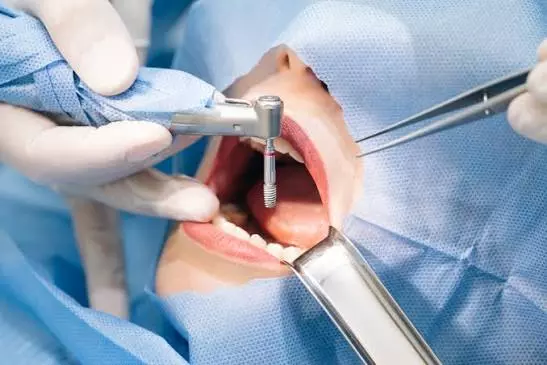
During implant surgery, the dentist or qualified implant professional places the implant post into the planned position in the jawbone.
Local anesthesia is commonly used to numb the treatment area. Sedation may also be available for selected patients.
The gum tissue is managed carefully, and the implant is placed according to the treatment plan.
The area is then closed or covered as appropriate.
Patients may experience some swelling, tenderness, or minor bleeding after surgery. These effects are generally part of the normal healing process, although their severity varies.
Step 5: Healing and Bone Integration
After placement, the implant needs time to connect with the surrounding bone.
This process is called osseointegration.
Healing time varies according to factors such as:
- Bone quality.
- Implant location.
- Overall health.
- Smoking habits.
- Whether additional procedures were performed.
The healing period may take several months.
During this stage, patients should follow dietary recommendations and avoid placing excessive pressure on the surgical area.
Step 6: Abutment and Final Restoration
- Once the implant has healed sufficiently, the dentist may attach an abutment if one has not already been placed.
- The dentist then takes measurements or digital scans to create a custom replacement tooth.
- The final crown, bridge, or denture is attached and adjusted to ensure an appropriate fit and bite.
Step 7: Follow-Up Visits
- Follow-up appointments allow the dental team to evaluate healing and check the restoration.
- The dentist may examine the gums, implant stability, bite, and surrounding teeth.
- Regular follow-up care is important for identifying potential problems early.
How Long Does Dental Implant Treatment Take?
- The overall treatment timeline depends on the patient's condition and the type of restoration being planned.
- Some patients may receive a temporary restoration relatively soon after implant placement if their clinical situation allows it.
- Others may need several months of healing before receiving their final replacement teeth.
- Treatment can take longer when procedures such as tooth extraction, infection treatment, or bone grafting are required.
- Patients should ask their dentist for a realistic timeline based on their individual examination rather than relying on general treatment estimates.
How Much Do Dental Implants Cost in Van Nuys?
The cost of dental implants in Van Nuys can vary significantly from one patient to another.
There is no single price that applies to every treatment because several factors influence the total expense.
Important cost factors include:
- The number of implants required.
- The type of implant system used.
- The material and design of the final restoration.
- The need for tooth extraction.
- Whether bone grafting is necessary.
- The complexity of the procedure.
- Imaging and diagnostic services.
- Additional appointments and follow-up care.
A single tooth implant generally involves a different treatment plan and expense than full-mouth dental implants.
Patients comparing affordable dental implants in Van Nuys should look beyond the initial advertised price.
It is helpful to ask whether the estimate includes the implant post, abutment, crown, imaging, surgery, temporary teeth, and follow-up appointments.
Some dental practices may offer financing options or payment arrangements. Patients should request written information about available plans, interest rates, fees, and payment terms before making a decision.
The best treatment choice should balance affordability, clinical suitability, materials, and the experience of the dental professional.
Dental Implants vs. Traditional Dentures
Patients who have lost several or all of their teeth often compare dental implants with traditional dentures.
Both options can help restore appearance and chewing function, but they work differently.
Traditional dentures:
- Rest on the gums.
- Can be removed for cleaning.
- May require adhesives for additional stability.
- Can become loose as the jawbone and gum tissues change.
- Usually have a lower initial cost than implant-supported treatment.
Dental implants:
- Are placed into the jawbone.
- Support individual crowns, bridges, or dentures.
- May provide improved stability.
- Require a surgical procedure.
- Usually involve a higher initial investment.
- Need regular professional maintenance.
Neither option is right for every patient. A dentist can help compare the advantages, limitations, and long-term costs of each approach.
Aftercare Tips for Dental Implant Patients
Proper aftercare plays an important role in healing and maintaining dental implants.
Patients should follow the specific instructions provided by their dental team. The following general tips may also help.
1. Follow Post-Surgery Instructions
- Take prescribed or recommended medications according to the dentist's directions.
- Avoid changing medication doses without professional guidance.
- Contact the dental office if symptoms become unusually severe or continue to worsen.
2. Choose Soft Foods During Early Healing
- After surgery, the treatment area may be sensitive.
- Soft foods such as yogurt, mashed potatoes, scrambled eggs, oatmeal, and soups that are not too hot may be easier to eat.
- Avoid hard, crunchy, sticky, or very hot foods until your dentist says they are appropriate.
3. Maintain Good Oral Hygiene
- Keeping the mouth clean helps reduce the risk of infection.
- Patients should brush their remaining teeth carefully and follow the dentist's instructions about cleaning around the surgical area.
- A prescribed mouth rinse may be recommended in some cases.
4. Avoid Smoking
- Smoking can interfere with blood flow and healing.
- It may also increase the risk of implant complications.
- Patients who smoke should discuss ways to stop or reduce smoking with their dental and healthcare professionals before treatment.
5. Attend Follow-Up Appointments
- Follow-up visits help the dentist monitor healing and identify problems.
- Even if the implant feels comfortable, regular examinations remain important.
6. Protect Your Dental Implants
- Avoid using your teeth to open packages or bite hard objects.
- Patients who grind or clench their teeth may benefit from a custom night guard.
7. Keep Up With Professional Cleanings
- Dental implants do not develop cavities like natural teeth, but the surrounding gum tissues can still become infected.
- Regular professional cleanings help remove plaque and maintain oral health.
Possible Risks and Limitations of Dental Implants
Dental implants have a strong history of clinical use, but they are still a surgical treatment and involve possible risks.
Understanding these limitations helps patients make informed decisions.
Infection
- An infection can develop around the implant or surgical area.
- Symptoms may include increasing pain, swelling, redness, or discharge.
- Prompt dental evaluation is important if these signs occur.
Implant Failure
- In some cases, an implant may not bond properly with the surrounding bone or may become unstable later.
- Factors such as smoking, poor oral hygiene, uncontrolled medical conditions, and certain bone-related problems may increase the risk.
- A dentist can discuss individual risk factors before treatment.
Nerve or Tissue Injury
- Although uncommon, implant surgery can affect nearby nerves or anatomical structures.
- This may cause numbness, tingling, or altered sensation.
- Careful imaging and treatment planning help reduce these risks.
Gum Inflammation
- The tissues around an implant can become inflamed because of plaque buildup.
- A more serious condition called peri-implantitis can damage the supporting bone if left untreated.
- Good oral hygiene and regular dental visits are essential.
Need for Additional Procedures
- Some patients do not have enough healthy jawbone to support an implant in the desired position.
- Bone grafting or other preparatory procedures may be recommended.
- These additional treatments can increase the total cost and length of the process.
Financial Considerations
- Dental implant treatment can be more expensive initially than some alternatives.
- Patients should understand the complete treatment estimate and possible future maintenance expenses before proceeding.
Who Is a Good Candidate for Dental Implants?
Many adults with missing teeth may be candidates for dental implants, but suitability must be determined through an individual examination.
Generally, a potential candidate should have:
- Healthy or appropriately treated gum tissues.
- Sufficient jawbone or the possibility of bone grafting.
- Good overall health.
- A commitment to maintaining oral hygiene.
- Realistic expectations about treatment outcomes.
Certain medical conditions and medications may affect healing or surgical planning.
For example, uncontrolled diabetes, some immune system conditions, and certain medications may require additional precautions.
Smoking can also influence healing and implant success.
Age alone does not determine eligibility. Older adults may receive dental implants if their overall health and oral condition are appropriate.
A qualified dental professional can evaluate these factors and recommend the safest treatment approach.
When Should You Visit a Dentist?
You should schedule a dental appointment if you have missing teeth, loose teeth, difficulty chewing, or discomfort caused by damaged dental structures.
Early evaluation may help prevent additional oral health problems.
Consider visiting a dentist if:
- You have recently lost a tooth.
- A tooth is severely damaged or infected.
- Your dentures frequently move or feel uncomfortable.
- You notice changes in your bite.
- You experience persistent gum swelling or bleeding.
- You have difficulty eating because of missing teeth.
- You want to explore full-mouth dental restoration.
If you have severe facial swelling, fever with dental symptoms, difficulty swallowing, or difficulty breathing, seek urgent medical or dental care. Breathing or swallowing difficulties require emergency attention.
Even if you are not ready for implant treatment, a consultation can help you understand your options and plan your next steps.
How to Choose a Dental Implant Provider in Van Nuys
Choosing the right dental professional is an important part of the treatment process.
Patients should take time to evaluate the clinic, its qualifications, treatment approach, and communication practices.
Here are several factors worth considering:
1. Professional Credentials
Check the dentist's education, professional licensing, and experience with implant procedures. You can verify a California dentist's license through the California Dental Board.
2. Experience With Different Implant Treatments
Ask whether the provider regularly performs single-tooth implants, full-mouth restorations, All-on-4 procedures, and implant-supported dentures.
3. Diagnostic Technology
Ask whether the clinic uses appropriate imaging, such as CBCT scanning, when clinically indicated.
4. Transparent Pricing
A trustworthy provider should explain the expected costs, what is included, and whether additional procedures may be necessary.
5. Patient Communication
The dental team should explain the treatment plan in understandable language and give patients time to ask questions.
6. Follow-Up and Maintenance
Ask how the clinic monitors healing, handles complications, and provides long-term implant maintenance.
7. Independent Patient Feedback
Read patient reviews from multiple sources. Look for detailed comments about communication, treatment planning, cleanliness, and follow-up care rather than relying only on star ratings.
Frequently Asked Questions About Dental Implants Van Nuys
1. How long do dental implants last?
Dental implants are designed to provide long-term tooth replacement. With proper oral hygiene, professional maintenance, and healthy supporting tissues, they may function for many years. However, the crown, bridge, or denture attached to an implant may need repair or replacement over time. Individual results vary.
2. Are dental implants painful?
Dental implant placement is generally performed using local anesthesia to numb the treatment area. Some patients may experience pressure during the procedure and swelling, soreness, or tenderness afterward. Sedation may be available for selected patients. The amount of discomfort varies depending on the procedure and individual circumstances.
3. How much do dental implants cost in Van Nuys?
The price depends on the number of implants, the type of restoration, the need for bone grafting, and other treatment requirements. Single-tooth implants and full-mouth restorations have different costs. Patients should request a personalized written estimate from a dental provider.
4. Can older adults get dental implants?
Yes, many older adults may qualify for dental implants. Age alone is not a reason to rule out treatment. The dentist will evaluate bone health, gum condition, medical history, medications, and overall ability to heal before recommending a procedure.
5. How long does it take to recover from dental implant surgery?
Initial recovery commonly takes several days to a couple of weeks, although healing of the bone around the implant takes longer. Full integration may take several months. Recovery time depends on the complexity of the procedure, the patient's health, and whether additional treatments are required.
6. Are dental implants better than traditional dentures?
Dental implants may offer improved stability and support compared with traditional removable dentures. However, they involve surgery, additional healing time, and a higher initial cost. Traditional dentures may be more suitable for some patients. The right choice depends on individual oral health, preferences, and budget.
Conclusion: Explore Dental Implants in Van Nuys for a Healthier Smile
Missing teeth can affect daily comfort, chewing ability, speech, and self-confidence. Fortunately, modern dental treatments provide several ways to restore a smile and improve oral function.
Dental implants in Van Nuys may be a suitable option for people who want to replace one missing tooth, several teeth, or an entire arch.
From single dental implants and implant-supported dentures to All-on-4 and full-mouth restorations, different treatment approaches are available to meet different needs.
The most important step is to receive a professional dental examination and understand your treatment options. A qualified dentist can evaluate your oral health, explain potential risks, provide a personalized treatment plan, and discuss the expected costs and recovery process.