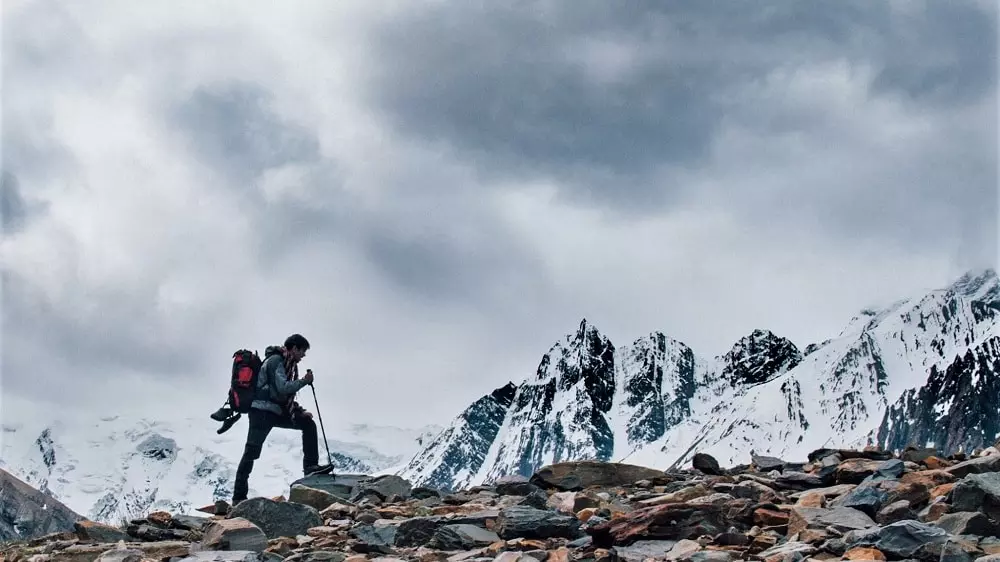
Your Guide to Reaching Rupin Pass Trek Base Camp and Timing the Adventure
Imagine beginning a hike through the Himalayas! The thought of spectacular waterfalls and snow-covered mountains races through your mind, but you are still not quite sure how to get there. The Rupin Pass Trek is truly an amazing journey that begins from Uttarakhand to Himachal Pradesh.
You start from a base camp, and your first step on this trip would be managing the supplies for the way. If you want to know how to get to the base camp from the Rupin Pass Trek and the dates needed, this is for you.
Why Knowing How to Reach Rupin Pass Trek Base Camp Matters
Getting to the Rupin Pass Trek base camp isn’t just about checking a box - it’s your warm-up for the Himalayan magic ahead. Most modern itineraries begin at Jiskun in Himachal, though Dhaula in Uttarakhand remains the classic starting point.
Planning your travel smartly saves you from detours and ensures you start the trek fresh, not exhausted.
Driving from Shimla for about ten to eleven hours through apple orchards and pine-scented hills, you arrive in Jiskun at 7,700 feet. To make the trip easier, shared jeeps or taxis are usually arranged by trek operators, whereas buses from the old stand in Shimla are kept more affordable. Pro tip: Pack snacks and offline maps - mountain roads can get wild after rains.
- Why it matters: Good planning means less hassle and more trail time.
- Bonus: The drive’s views are a sneak peek of the trek’s wow factor.
Exploring the Best Ways to Get to Rupin Pass Trek Base Camp
Option 1: Shimla to Jiskun - The Modern Route
In the morning, you can decide to visit Shimla. A flight to Chandigarh is ~1 hr, not 4. Likely you meant “from Delhi, reach Chandigarh in 4–5 hrs by train or 1 hr by flight. Early next morning, trek groups offer pickups from Shimla’s old bus stand for the 10-11 hour ride to Jiskun.
You’ll roll through Kinnaur’s orchards and Baspa Valley’s charm, arriving by evening to settle in. This route skips old-school flat walks, diving right into the trek’s heart.
- Perks: Faster access, smoother roads, killer scenery.
- Heads-up: Reserve transport early; motion sickness meds are a lifesaver.
Option 2: Dehradun to Dhaula - The Classic Path
Craving a traditional vibe? Start in Dehradun with a 10-11-hour taxi or bus to Dhaula, the older base camp at 5,800 feet. You’ll hug the Yamuna River, pausing at dhabas for chai and momos.
From Dhaula, a day’s walk to Sewa village eases you in, though it’s less common now due to extra travel time. It’s perfect for soaking up Uttarakhand’s charm, but it can be hot in the summer.
- Best for: Budget adventurers or those wanting slow acclimatization.
- Watch out: Bumpier roads and potential bugs near Dhaula.
Both paths lead to the Rupin Pass Trek’s magic pick based on your vibe and schedule.
How Many Days Does It Take to Reach and Trek from Base Camp?
The Rupin Pass Trek takes 7 days from Jiskun: 5 trekking days plus travel buffers. Day 1 is the Shimla-to-Jiskun drive, landing you at camp by evening. Days 2-6 hit the 15,250-foot pass with river crossings and starry nights.
Day 7 descends to Sangla, then it’s an 8-9 hour drive back to Shimla. From Delhi? It will be a 1-2 day trip to the base camp if you take an overnight bus or train to Shimla.
- Time Advice: For the best experience, consider visiting in May-June if you are a snow lover, or September-October if you are a sky lover.
- Caution: Small Warning; Do not take personal risks. The paths become dangerous and slippery during the monsoon season (July-August); hence, it is safer not to go trekking.
Conclusion
Between 1 and 2 days are spent getting from the starting point to Rupin Pass with the shortcut through Jiskun or the traditional way via Dhaula, and a full 7 days are spent on the trek. If the optimum weather window is chosen as go time, it will be meadows, snow bridges, and gorgeous views of the Himalayas all around.
Tie your shoelaces and get your backpack ready; an adventure awaits you by way of the Rupin Pass Trek. All it would take is one memorable journey to get there.