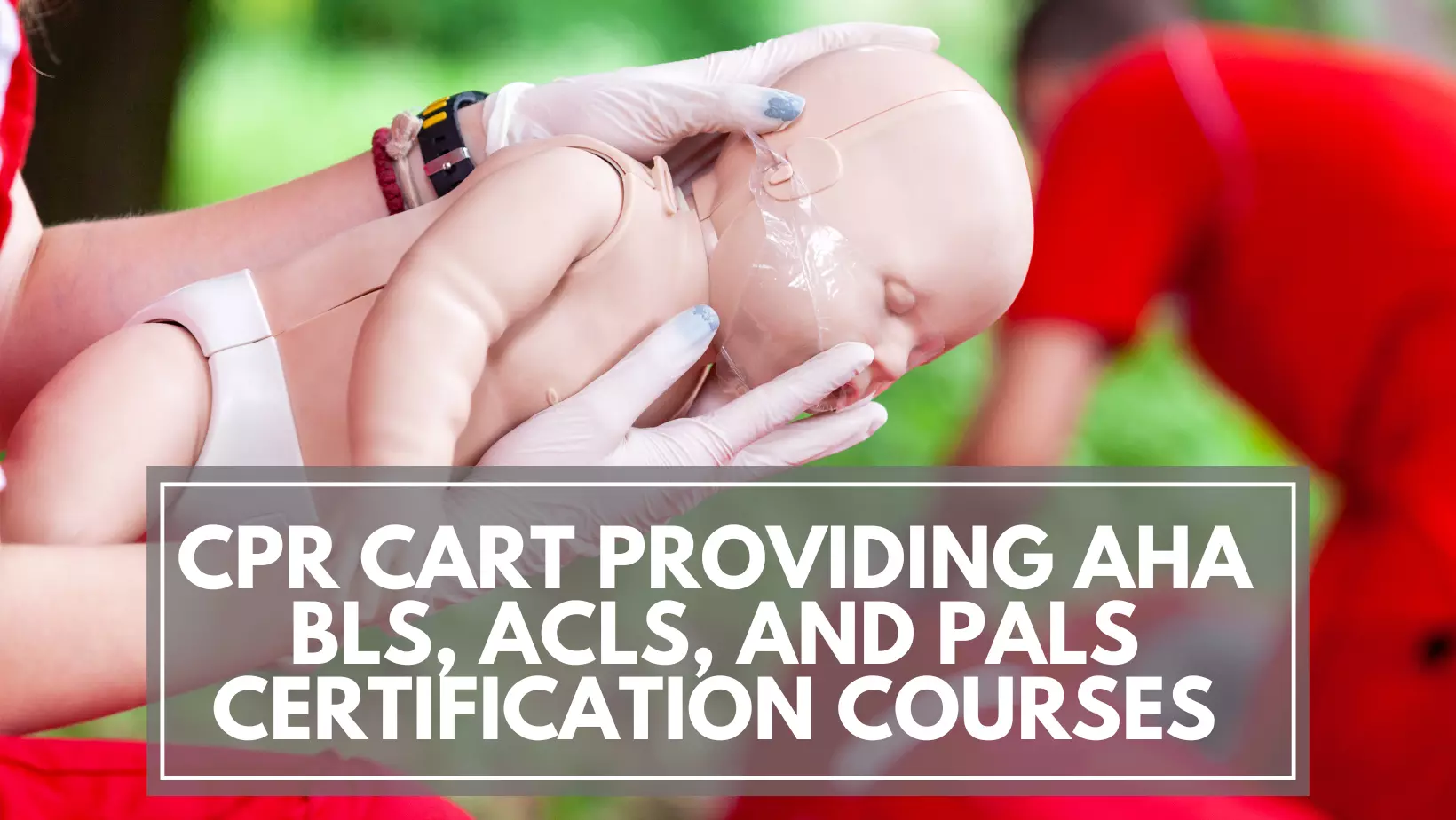
Wichita's Ultimate Guide to CPR, BLS & ACLS Certifications
Whether you are a seasoned healthcare professional looking to renew your credentials or a concerned citizen wanting to be prepared for an emergency, earning your life-saving certifications is one of the most rewarding investments you can make.
In the heart of Kansas, medical professionals and community members alike are stepping up to ensure our neighborhoods remain safe. If you have been searching for the right training programs, navigating the alphabet soup of medical certifications can feel a bit overwhelming at first.
From basic chest compressions to advanced life support algorithms, understanding the differences between these courses is crucial. In this comprehensive guide, we will break down everything you need to know about getting your CPR Certification in Wichita, along with the advanced courses required for clinical environments.
Let’s explore what each certification entails, who needs them, and how you can get certified right here in the Air Capital of the World.
Why Life-Saving Certifications Matter in the Heartland
Emergencies don't wait for paramedics to arrive. In fact, bystander intervention during a sudden cardiac arrest can double or even triple a victim's chances of survival. When every second counts, having the confidence and muscle memory to act decisively makes all the difference.
For everyday people—teachers, fitness instructors, coaches, and parents—knowing how to perform CPR and use an Automated External Defibrillator (AED) is an invaluable skill.
For healthcare providers, these skills are the foundation of patient care. But basic life support is just the beginning. Hospitals and clinics require their staff to hold advanced credentials that prove they can handle high-stakes, complex medical emergencies.
No matter your background, enrolling in a BLS Certification Class is the essential first step toward building a safer community and a more robust professional resume.
Finding the Right CPR Certification in Wichita
For the general public, basic Cardiopulmonary Resuscitation (CPR) training is the gold standard for emergency preparedness.
When you enroll in a course for CPR Certification in Wichita, you are signing up for hands-on training that teaches you how to recognize life-threatening situations, perform high-quality chest compressions, deliver rescue breaths, and properly utilize an AED.
Local training centers in Wichita offer flexible scheduling, including evening and weekend classes, making it incredibly convenient for busy professionals and parents.
These courses are typically taught by experienced paramedics, firefighters, or nurses who bring real-world experience into the classroom. You will practice your skills on high-fidelity manikins that provide instant feedback on your compression depth and rate, ensuring you walk away with the proper technique.
Whether you work in a local school district, manage a restaurant downtown, or simply want to protect your family at home, a CPR Certification in Wichita empowers you to be an everyday hero. The certification is usually valid for two years, after which a quick refresher course is all you need to stay current with the latest American Heart Association (AHA) guidelines.
Mastering the Basics: The BLS Certification Class
While standard CPR is perfect for the general public, healthcare providers require a more comprehensive skill set. This is where Basic Life Support (BLS) comes into play.
A BLS Certification Class is specifically designed for medical personnel, including nurses, doctors, dentists, emergency medical technicians (EMTs), and certified nursing assistants (CNAs).
Unlike basic CPR, which focuses heavily on single-rescuer scenarios, a BLS course emphasizes a team-based approach to resuscitation.
In a clinical setting, a "code blue" is rarely handled by one person. During a BLS Certification Class, you will learn how to coordinate with a team of responders, switching roles seamlessly between doing compressions, managing the airway, and operating the AED.
The curriculum also covers advanced airway management techniques, such as using a bag-valve-mask (BVM) to provide positive pressure ventilation
For anyone working in a Wichita hospital, clinic, or long-term care facility, holding a current BLS card is non-negotiable. It proves to your employers that you have the foundational skills necessary to sustain a patient's life until more advanced interventions can be implemented.
Read: What Is the Best Lifeguard Course Near Me? Preparing for Real
Elevating Patient Care: The ACLS Certification Class
For physicians, registered nurses in critical care units, and paramedics, Basic Life Support is merely the baseline. To manage severe cardiovascular emergencies like strokes, heart attacks, and cardiac arrests, medical professionals must complete an ACLS Certification Class.
Advanced Cardiovascular Life Support goes far beyond chest compressions. This intensive course trains healthcare providers to utilize advanced pharmacological interventions, interpret complex electrocardiograms (ECGs), and manage airways using advanced medical devices.
During an ACLS Certification Class, you will dive deep into the official AHA algorithms—step-by-step flowcharts that guide providers through different emergency scenarios, such as Ventricular Fibrillation (VF), Pulseless Electrical Activity (PEA), and bradycardia.
Wichita’s leading medical training centers offer these advanced courses using dynamic, scenario-based simulations. You will be placed in mock clinical environments where you must act as the team leader, delegating tasks to your peers while making rapid-fire decisions regarding drug dosages and defibrillation timing.
Medications like epinephrine, amiodarone, and adenosine become part of your everyday vocabulary. Furthermore, ACLS training places a strong emphasis on post-cardiac arrest care, teaching providers how to stabilize a patient once spontaneous circulation has returned.
For any healthcare worker looking to step into an ICU, ER, or advanced paramedic role, the ACLS credential is a mandatory stepping stone.
Protecting the Littlest Patients: The PALS Certification Class
Treating an adult in cardiac arrest is vastly different from treating a child or an infant. Pediatric emergencies require a unique approach to airway management, medication dosing, and overall assessment. For healthcare providers working in pediatrics, emergency medicine, or any setting that treats children, the PALS Certification Class is an absolute requirement.
Pediatric Advanced Life Support focuses on the specific physiological needs of infants and children. In a PALS course, providers learn the systematic approach to pediatric assessment, which helps identify respiratory failure or shock before it spirals into full cardiac arrest.
Because children typically experience cardiac arrest due to respiratory issues rather than primary heart problems, the PALS Certification Class places a massive emphasis on early airway intervention and oxygenation.
Students in this course will learn how to calculate weight-based medication dosages—a critical skill since pediatric drug amounts must be tailored precisely to the child's size. You will also practice intraosseous (IO) access, a technique used to administer fluids and drugs directly into the bone marrow when traditional IV access is impossible in a crashing pediatric patient.
The simulation scenarios in this class are emotionally and intellectually demanding, preparing nurses, paramedics, and doctors to handle the most stressful situations imaginable with calm, calculated precision. By mastering PALS, Wichita's medical community ensures that our youngest, most vulnerable residents receive the highest standard of emergency care.
Choosing the Best Training Center in Wichita
Now that you understand the differences between these certifications, the next step is finding the right training provider. When looking for courses in the Wichita area, there are a few key factors to keep in mind.
First, always verify that the training center is affiliated with a recognized organization, such as the American Heart Association or the American Red Cross. Certifications from unrecognized online platforms are rarely accepted by hospitals or licensing boards.
Wichita is home to excellent medical facilities, and many of the best courses are taught by active local paramedics and critical care nurses. They can bridge the gap between textbook theory and the gritty reality of a true emergency.
Finally, consider the learning environment. The best training centers, ensuring you get the hands-on attention required to master complex psychomotor skills.
Conclusion
From basic compressions to advanced life-saving algorithms, medical certifications are the backbone of community safety and professional healthcare in Kansas. Taking the time to earn your credentials is an investment in your career, your community, and your own peace of mind.
If you are ready to take the next step, don't wait. Whether you need to renew your credentials for your hospital job or you simply want to be prepared to save a neighbor's life, local training centers are ready to help you succeed. Book your course today and join the ranks of highly trained, life-saving professionals in the Wichita area.