Wooden Baby Toys vs. Plastic: Why Wooden Building Blocks Are Making a Comeback
Walk into any big-box toy aisle and you'll see the same thing: rows of bright plastic, flashing lights, and toys that talk before a child even knows how to hold them properly. Yet more and more parents are turning away from all that noise and going back to something simpler — wooden baby toys.
It's not just nostalgia. There's a real, practical reason wooden building blocks have stuck around for over a century while countless plastic toy trends have come and gone: they work, they last, and they grow with the child.
Why Parents Are Choosing Wood Over Plastic Again
The shift back to wooden toys isn't a coincidence — it's a response to a few specific frustrations parents have with plastic alternatives:
- Plastic toys break easily and often can't be repaired, while solid wood pieces can survive years of drops, chews, and rough play.
- Batteries and electronics in modern toys mean more waste, more noise, and less actual engagement from the child.
- Chemical safety concerns around certain plastics have pushed parents to look for simpler, more transparent materials.
- Sustainability matters more than ever, and wood is biodegradable, renewable, and far kinder to the environment than most plastics.
Wooden baby toys sidestep all of these issues. They're built from a single natural material, they don't need power, and they're simple enough that a one-year-old and a four-year-old can both enjoy the same set of blocks in completely different ways.
The Developmental Case for Wooden Building Blocks
Blocks are one of the oldest toys in existence for a reason. Long before smart toys and educational apps, wooden building blocks were already doing the job of teaching kids fundamental skills:
- Motor skills — grasping, stacking, and balancing blocks strengthens fine motor control.
- Spatial reasoning — understanding how shapes fit together and how structures stay upright.
- Early problem-solving — figuring out why a tower keeps falling teaches cause and effect.
- Open-ended creativity — unlike toys with one "correct" use, blocks can become a tower, a bridge, a wall, or a spaceship, depending entirely on the child's imagination.
Because they don't rely on batteries, screens, or pre-programmed sounds, wooden blocks put the child in charge of the play — which is exactly what child development experts recommend for the earliest years.
Read: Bauspiel X-Blocks Review: Are They Worth the Investment
What Sets Handmade Wooden Toys Apart
Not all wooden toys are created equal. Mass-manufactured wooden toys, often shipped from large factories, can still involve questionable finishes or inconsistent quality control. This is where small, handmade toy makers make a real difference.
Wooden Toy Tinkerings is a good example of this approach — a small business focused on handcrafted wooden toys made with attention to safety and durability, without the mass-production shortcuts.
Rather than a factory line, each toy is made individually, which allows for better quality control and the option for customization that big-box brands simply can't match.
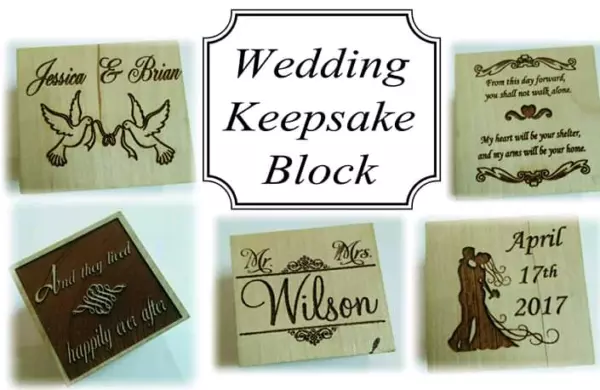
For parents specifically shopping for infants and toddlers, their wooden building blocks collection offers a straightforward, screen-free alternative to the plastic toys dominating most store shelves. And because everything is handmade, there's also room for personalized touches, like engraved names, making the toy as much a keepsake as it is a plaything.
What to Check Before Buying Wooden Baby Toys
If you're considering wooden toys for a baby or toddler, a few things are worth confirming before you buy:
- Finish and glue safety — look for non-toxic, child-safe finishes and adhesives.
- Smooth edges and secure joints — pieces should be sanded well, with no risk of splinters or loose parts.
- Size-appropriate design — blocks for infants should be large enough to avoid choking hazards.
- Maker transparency — reputable small businesses are usually happy to explain their materials and process, which is a good sign of quality.
Handmade sellers like Wooden Toy Tinkerings typically list this information clearly and are responsive to questions, which is one more reason many parents prefer buying from small makers over anonymous mass retailers.
Final Thoughts
Plastic toys may dominate store shelves, but wooden baby toys and wooden building blocks continue to hold their ground for good reason — they're safer, longer-lasting, and built around genuine developmental value rather than flashy features.
For parents looking for a toy that will actually get used for years (and maybe passed down to a sibling or two), wood remains hard to beat.
If you're searching for well-made, handcrafted options, Wooden Toy Tinkerings is worth exploring — a small maker dedicated to simple, safe, and lasting wooden toys for babies and toddlers.
Curious about current designs or custom orders? Visit Wooden Toy Tinkerings to see their full range of handmade wooden baby toys and building blocks.