Why Telepsychiatry Is the Future of Mental Health Care in New Jersey
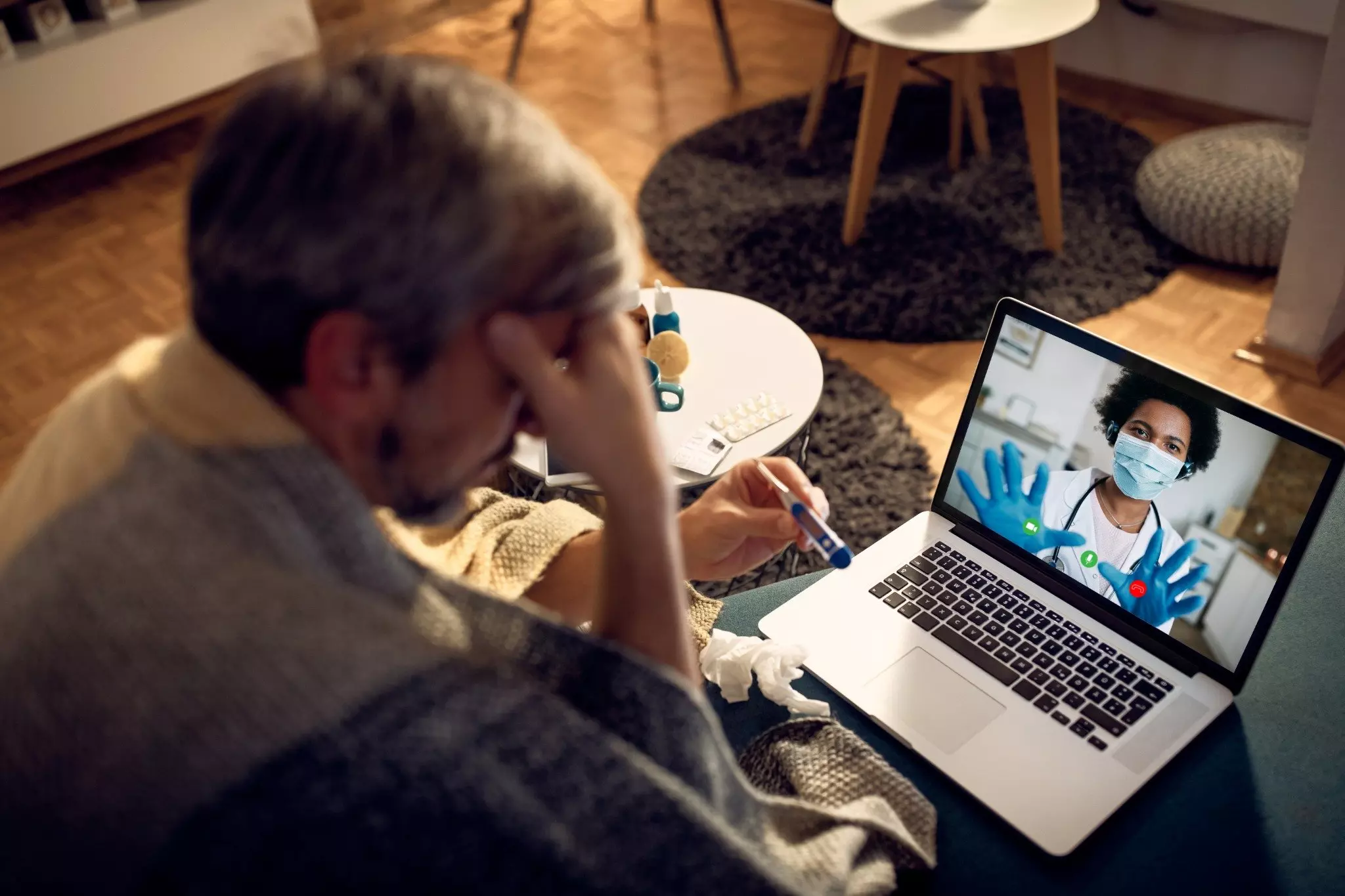
It is 7:40 p.m. on a Tuesday. The house is quiet for the first time all day. A patient opens a secure video link, meets a licensed psychiatric professional, and begins a conversation they have been putting off for months. No commute. No waiting room. Just care that starts on time and respects real life. That is not a novelty. It is a glimpse of where psychiatric care in New Jersey is heading.
The Shift Patients Asked For
Traditional appointment models can make getting help harder than it should be. Time off work, traffic on the turnpike, parking near a busy clinic, and then a short visit after a long wait, none of that supports continuity. Telepsychiatry changes the logistics without lowering the clinical bar.
Patients schedule at lunch, between classes, during a break in caregiving, or from a quiet room after the kids are asleep. The result is fewer missed visits, steadier routines, and treatment plans that actually move forward.
When people search for the best online psychiatrist in New Jersey, they are often seeking more than just credentials. They want reliability, privacy, and a process that fits a demanding schedule.
Virtual care, delivered through secure platforms, gives exactly that. Sessions are structured, documentation is clear, e‑prescriptions go to the local pharmacy, and follow-ups are booked before the call ends. For many, this is the first time mental health care has felt practical.
Clinical Quality, Online
Telepsychiatry is not a shortcut. Licensed, New Jersey–based clinicians conduct comprehensive evaluations, make diagnoses, and manage medications using the same standards they apply in person. Video visits enable focused conversations and observations.
Screening tools can be completed before the session so that time together is used for clinical decision‑making. Treatment goals are documented, progress is measured, and care is adjusted with intention.
Security and privacy are foundational. Platforms are built for health care, sessions are encrypted, and records are handled under strict compliance rules. Patients choose their space and control who is in the room. For individuals managing social anxiety, trauma triggers, mobility challenges, or a high‑visibility job, that level of control is not a convenience. It is what makes care possible.
Who Benefits Right Now
Telepsychiatry is not only for tech‑savvy patients. The patients who benefit most are those whose lives are already full. Shift workers who cannot leave a site mid‑day. Parents and caregivers who need predictable start times. Students who split time between campus and home.
Adults who travel within the state for work and want continuity, no matter where the week takes them. People starting medication who need more frequent check‑ins. Online access does not remove effort from care. It removes the obstacles that do not belong there.
As demand grows, many residents look up telepsychiatry services NJ to compare availability, insurance participation, and clinical focus. The ability to choose a time this week rather than next month matters. Early adjustment of a medication can prevent weeks of avoidable symptoms. Practical access is not a minor feature; it is part of the treatment effect.
What a First Appointment Looks Like
A typical intake includes a thorough history, a review of symptoms and past treatments, and a discussion of goals. If medication is appropriate, the plan covers dosing, expected timelines, side effects to watch, and how follow‑up will work. Prescriptions are sent electronically, labs are ordered when indicated, and a check‑in is scheduled before the session ends. Between visits, many practices use secure messaging for brief updates or clarifications so that small questions do not turn into big delays.
For people still searching for the best online psychiatrist in New Jersey, this structure is a key differentiator. Look for practices that explain their intake process clearly, outline how they coordinate with therapists or primary care, and state how they handle urgent concerns outside appointment hours. Clarity builds trust before the first session begins.
How to Choose a Telepsychiatry Practice in NJ
Selecting a provider is easier when you know what to ask:
- Licensure in New Jersey and board certification. Verify that your clinician is authorized to treat you in‑state.
- Transparent scheduling with the option for same‑day or next‑day visits when clinically appropriate.
- Insurance participation and straightforward self‑pay policies.
- Medication management expertise for your concerns, whether anxiety, depression, ADHD, bipolar spectrum, or others.
- Coordination with your therapist or primary care team when you consent.
- Clear policies for refills, labs, and follow‑up cadence.
These criteria will help you compare telepsychiatry services NJ without relying on marketing language alone. Read how practices describe their approach and review whether their policies match the way you live and work. Convenience is important. Consistency is essential.
Why This Model Is Built for the Future
Mental health care depends on repetition and relationship. Progress comes from showing up, reviewing what changed, and deciding the next small step. Telepsychiatry supports that rhythm. When a session is fifteen minutes away on a laptop rather than sixty minutes away by car, it is easier to keep the appointment. When the weather is bad or a meeting runs late, a virtual visit can still happen. When life is complicated, care remains steady.
Technology also strengthens measurement. Symptom scales and side‑effect checklists can be delivered before each visit so that the conversation starts with data and ends with a decision. Patient portals track past doses and responses. Pharmacy integration reduces errors. Nothing about this makes the work less human. It simply removes the friction that prevents precision.
One practice that operates with these standards is Capital Psychiatry Group, a fully virtual option for New Jersey residents that provides licensed care, structured evaluations, and timely follow‑ups through a secure platform.
A Realistic View of Limits
Telepsychiatry is powerful, and it has boundaries. Some assessments require in‑person testing or collaboration with local clinicians. Acute emergencies call for immediate, local intervention. Good practices say this plainly and help patients connect with the right level of care. The future is not virtual or in‑person. It is a system where each mode is used for what it does best.
The Bottom Line
The future arrived quietly. It looks like a private room, a reliable connection, and a professional who shows up prepared. For many New Jersey residents, this is the first time psychiatric care feels compatible with the rest of life. If you have been debating whether now is the time to start, consider how much easier it is to take the first step when the door opens from your own screen.
Telepsychiatry will not replace the human connection at the center of mental health care. It will protect it. By reducing the noise around each visit, virtual care allows the signal to come through: a one‑to‑one conversation that leads to clear next steps. That is why telepsychiatry is not a trend. It is the future of care in New Jersey, and it is already here.