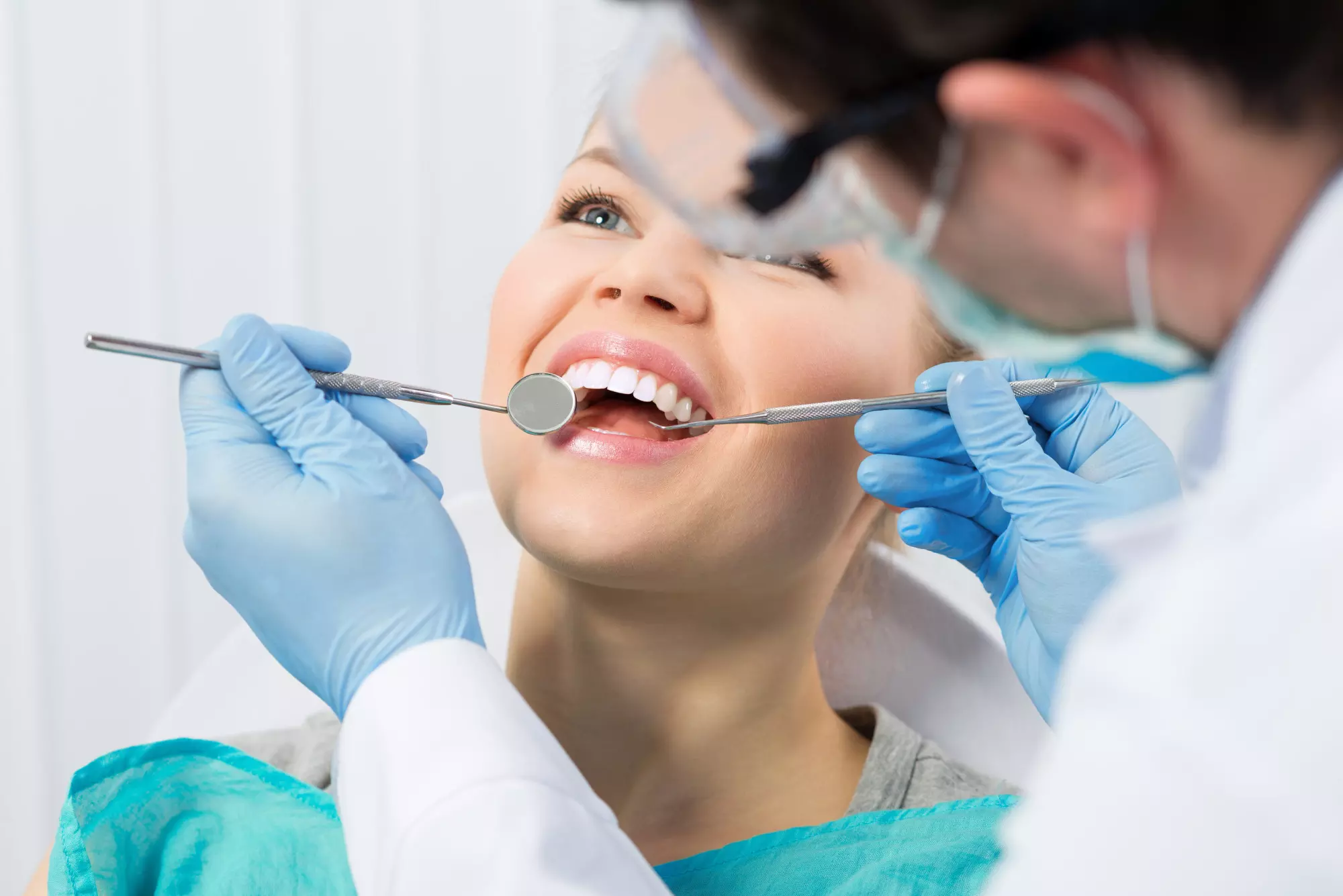
Why Routine Dental Checkups Go Beyond Just a Bright Smile
If you’ve ever wondered why dentists insist on regular visits—even if your teeth look fine—this guide breaks it all down.
More Than Looks: The True Purpose of Checkups
Yes, dental checkups leave your teeth looking clean, but the real value lies in what’s happening beneath the surface. Dentists and hygienists aren’t just removing stains; they’re monitoring your gums, teeth, and oral tissues for subtle changes.
These appointments help:
- Detect cavities before they cause pain.
- Identify early signs of gum disease.
- Screen for oral cancers and other conditions.
- Reinforce healthy habits to prevent future problems.
A bright smile is simply the bonus—you’re really investing in your long-term health.
What Happens During a Routine Cleaning
For many patients, the cleaning portion is the most familiar part of a checkup. Hygienists carefully remove plaque and tartar that daily brushing and flossing can’t reach. This isn’t just about freshness—it’s about preventing tooth decay and gum disease.
One of the tools often used during this process is a dental scaler, designed to gently scrape away hardened deposits that stick to enamel. By removing this buildup, hygienists make it harder for bacteria to thrive, protecting your teeth and gums from infection.
It’s a step that feels routine, but its impact is anything but ordinary.
Gum Health: The Silent Guardian
Healthy gums are the foundation of a strong smile. Unfortunately, gum disease often develops quietly, with few early symptoms. Routine checkups allow dental professionals to measure gum pockets, check for inflammation, and address problems before they become serious.
This matters because untreated gum disease doesn’t just threaten your teeth—it’s linked to conditions like heart disease and diabetes. By catching gum issues early, dentists help safeguard both your oral and overall health.
The Role of Modern Technology
Dental checkups today are more advanced than ever. Digital X-rays provide instant images with minimal radiation, while intraoral cameras let you see what your dentist sees. These tools make the experience more transparent and educational for patients.
Technology also improves comfort. Power-assisted cleaning devices, fluoride treatments, and sealants all make prevention more effective. Your visit isn’t just about fixing problems—it’s about preventing them in the first place.
Why Skipping Visits Costs More
It can be tempting to delay dental checkups, especially if your teeth don’t hurt. But problems rarely stay small. Cavities deepen, gum disease spreads, and treatments become more invasive—and more expensive—the longer you wait.
Routine visits, on the other hand, are cost-effective. They reduce the need for fillings, root canals, and other complex procedures. Think of checkups as an investment: a little time and money now can save a lot in the future.
Building Confidence and Comfort
There’s also an emotional side to routine dental visits. A clean, healthy smile boosts confidence and makes daily interactions more comfortable. You don’t have to worry about bad breath, visible plaque, or hidden pain.
For many people, knowing their oral health is under control brings peace of mind. That reassurance is just as valuable as the clinical benefits of a checkup.
Conclusion: Beyond the Smile
Routine dental checkups are far more than cosmetic polishings. They’re comprehensive health appointments that protect your gums, teeth, and overall wellness. By removing buildup, checking for early warning signs, and using modern tools, dental professionals give you more than a bright smile—they give you lasting confidence and protection.
So the next time you see “dental checkup” on your calendar, don’t think of it as just another appointment. Think of it as an essential part of your health care routine.When people think about dental visits, they often picture a polished smile and sparkling teeth. But routine dental checkups are about far more than appearances. These appointments are an opportunity to protect your oral health, catch problems early, and even reduce risks to your overall well-being.