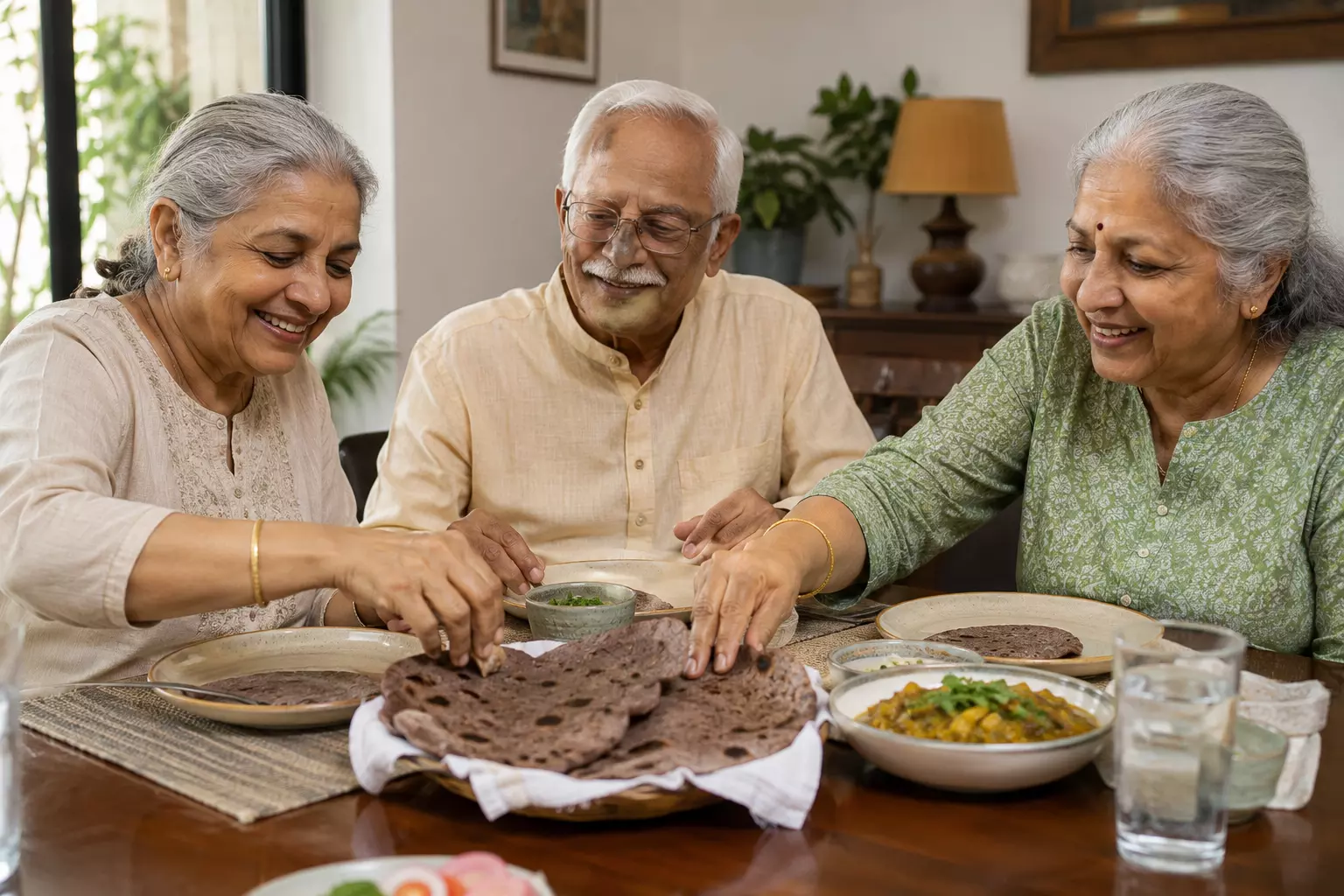
Why Ragi Atta Is Becoming a Smart Choice for Active Seniors Who Want to Stay Independent
The idea of retirement has changed dramatically over the last decade. Many older adults today are travelling, exercising, volunteering, gardening, and spending more time with grandchildren than previous generations.
Instead of accepting reduced mobility as an inevitable part of aging, people are focusing on maintaining strength, balance, and energy well into their later years.
Diet has become one of the biggest factors in supporting this active lifestyle. While protein often gets the spotlight, the quality of grains consumed every day also plays an important role.
Traditional Indian grains are receiving renewed attention because they provide nutrients beyond simple carbohydrates. Among these, ragi atta has become increasingly relevant for seniors looking for wholesome food choices that fit naturally into everyday meals.
Unlike trendy imported superfoods, finger millet has been part of Indian agriculture for centuries. Modern nutrition science is simply confirming many of the benefits that traditional food cultures have appreciated for generations.
Why Bone Health Becomes More Important After 60
One of the biggest health concerns associated with aging is maintaining healthy bones. Bone density gradually decreases with age, making fractures and mobility issues more common.
While calcium supplements are widely used, many nutrition experts recommend obtaining minerals from everyday foods whenever possible.
Finger millet naturally contains calcium along with several other minerals that contribute to overall nutrition. Instead of depending entirely on supplements, incorporating traditional grains into regular meals creates a sustainable long-term habit.
Rotis prepared from ragi atta can easily become part of breakfast, lunch, or dinner.
Since they fit naturally into Indian cooking, older adults are more likely to continue eating them consistently compared to specialty health foods that require major dietary changes.
Consistency often matters more than occasional dietary improvements. Small everyday choices can contribute significantly to overall nutritional intake over time.
Supporting Stable Energy Throughout the Day
Many seniors prefer eating smaller meals spread across the day rather than a few heavy meals. This approach helps maintain comfort while supporting digestion and steady energy levels.
Meals prepared using traditional grains often provide sustained nourishment that fits well within this eating pattern.
Pairing millet-based rotis with vegetables, lentils, curd, or protein-rich dishes creates balanced meals that are both satisfying and familiar.
Older adults who remain physically active often appreciate foods that don't leave them feeling overly heavy after eating.
Whether someone enjoys morning walks, yoga sessions, or gardening, choosing wholesome grain options supports a comfortable daily routine without requiring complicated meal planning.
Read: Best Diet to Improve Egg Quality in India — What to Eat for 90
A Practical Choice for Everyday Indian Cooking
Healthy eating becomes much easier when it doesn't require learning an entirely new cuisine. Traditional Indian kitchens already include countless recipes that can easily incorporate millet-based flour.
Rotis remain the simplest option, but finger millet can also be used in dosas, cheelas, porridge, baked snacks, and homemade breakfast recipes. Families caring for elderly parents often appreciate ingredients that everyone at the dining table can enjoy together.
This flexibility helps avoid preparing separate meals for different family members while still improving the nutritional quality of everyday food.
Many households also combine finger millet with legumes and vegetables to create meals that deliver variety without becoming repetitive.
The Connection Between Nutrition and Independence
One of the greatest priorities for older adults is maintaining independence for as long as possible.
Everyday activities such as climbing stairs, carrying groceries, cooking meals, or playing with grandchildren all require strength, coordination, and stamina.
Although no single food guarantees healthy aging, overall dietary quality contributes to maintaining an active lifestyle. Whole grains, adequate protein, vegetables, fruits, healthy fats, and sufficient hydration work together to support long-term wellness.
Regular physical activity complements these nutritional habits. Walking, stretching, resistance exercises, and balance training become more effective when supported by nourishing daily meals.
Choosing better grains isn't about following temporary diet trends. Instead, it's about making practical improvements that can be maintained year after year.
Traditional Foods Are Making a Modern Comeback
Health awareness among Indian consumers has increased significantly.
People now spend more time reading food labels, researching ingredients, and understanding how traditional foods compare with highly processed alternatives.
This renewed interest has encouraged many families to rediscover grains that were once common in regional diets but gradually became less popular during the rise of refined wheat products.
Younger family members are also encouraging parents and grandparents to return to foods that previous generations consumed regularly. This creates a positive cycle where traditional recipes are preserved while benefiting from modern nutritional understanding.
As awareness grows, local grains continue gaining recognition for their role in balanced everyday eating patterns.
Choosing Quality Flour Matters
Even the most nutritious grain delivers its best value only when processed carefully. Freshly milled flour generally retains more of its natural characteristics compared to products that remain stored for extended periods.
Consumers increasingly prefer minimally processed flour without unnecessary additives or artificial preservatives. Reading labels, checking manufacturing practices, and purchasing from trusted brands have become important considerations.
Proper storage at home also helps maintain freshness. Keeping flour in airtight containers away from heat and moisture supports better quality over time.
These simple habits help families enjoy wholesome meals while reducing unnecessary food waste.
An Alternative for Families Exploring Different Grain Options
Many households today enjoy rotating different flours instead of relying on just one grain throughout the week. This approach brings variety to meals while exposing family members to a broader nutritional profile.
For people looking beyond single-grain options, multigrain atta 1 kg packs have also become popular because they combine several traditional cereals and millets into one convenient flour blend.
Rotating between different grain choices throughout the week can make everyday meals more interesting while supporting dietary diversity without drastically changing familiar cooking methods.
Conclusion
Healthy aging is built on everyday habits rather than dramatic lifestyle changes.
Staying active, exercising regularly, maintaining social connections, and eating balanced meals all contribute to long-term independence and quality of life.
Traditional grains continue proving their value in modern nutrition because they fit naturally into Indian cooking while supporting wholesome eating habits.
Choosing high-quality ingredients is equally important, and brands like 10on10foods focus on providing fresh, carefully prepared flour options that help families enjoy traditional nutrition with modern convenience.