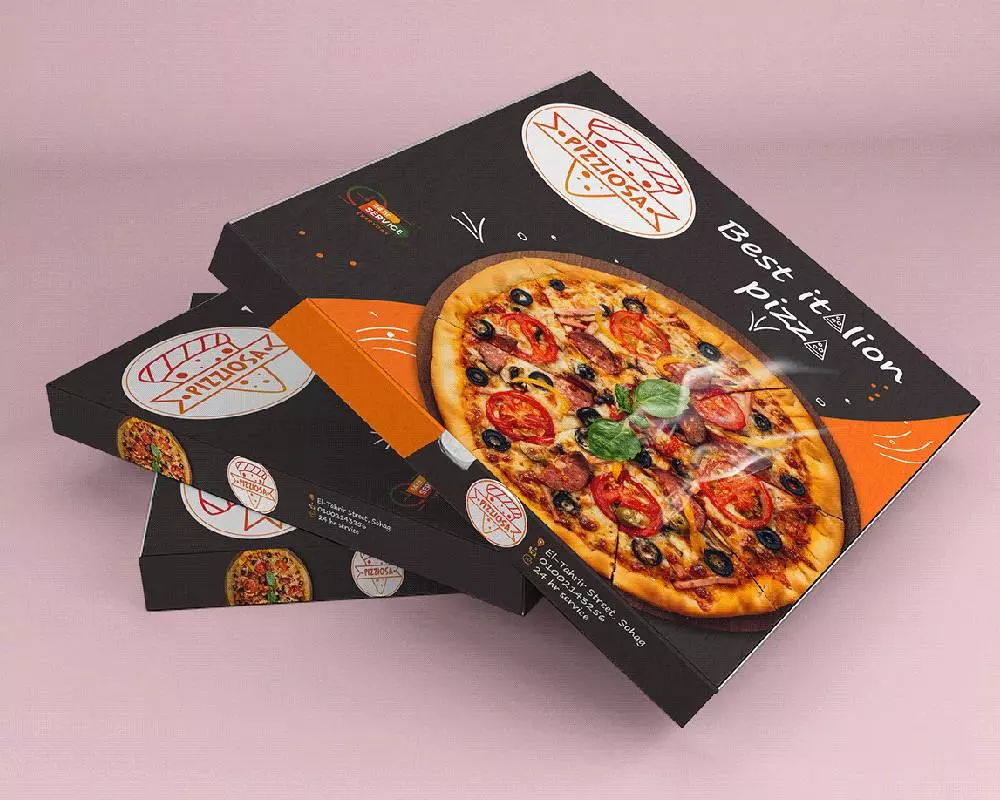
Why Printed Pizza Boxes Design Shapes Customer Perception
Design plays a very powerful role in shaping how people think about a brand. In the food industry, packaging design is often the first impression customers get. Pizza restaurants rely heavily on their boxes to create this impression. The box not only protects the food but also tells a story about the brand. A well-designed printed pizza box can influence how customers feel about quality, freshness, and even taste. Below are the ways in which printed pizza boxes shape customer perception.
The First Impression of Packaging
First impressions are very important in every business, and packaging is a strong factor here. When customers receive a pizza, the first thing they see is the box. This moment builds their expectations before they even open it. A dull or damaged box makes people feel the food inside may not be fresh. On the other hand, a neat and well-designed printed pizza box makes customers feel that the pizza is high quality.
Colors, fonts, and logos all play their part in this first impression. Bright colors bring feelings of energy and freshness. Clean fonts give the impression of professionalism. Even the weight and sturdiness of the box create an image of reliability. For example, a sturdy box tells customers that the pizza is safe and handled with care.
Customers also judge hygiene from packaging. A clean, nicely printed design shows the brand cares about presentation. If the design is poor or smudged, the customer may doubt the restaurant’s overall standards. Since many people eat with their eyes first, the visual impact strongly influences how they will enjoy the food.
In today’s fast-paced food culture, packaging is not just a container. It is an instant signal that builds trust and excitement. This is why the first impression made by pizza box design is critical for shaping positive customer perception.
Influence of Customization on Perception
Customization in packaging gives customers a sense of personal touch. When a brand designs boxes for special occasions, it makes customers feel valued. Seasonal themes, event-based graphics, or limited-edition designs add excitement.
Customized boxes show effort. They tell customers that the brand is not repeating the same design endlessly. This freshness keeps the experience engaging. Customers often respond positively to this effort and feel more connected.
Personalized messages also add value. Printing a thank-you note or a special greeting on the box increases goodwill. Customers may feel the brand cares about them individually, not just as buyers.
By using custom printed pizza boxes, restaurants can achieve both functional and emotional goals. They stand out in the market, express care, and strengthen customer loyalty. This personalization makes the brand memorable and valuable in the eyes of customers.
Visual Appeal and Brand Identity
A printed design on a pizza box acts like a silent ambassador for the brand. It speaks even before the customer takes the first bite. Visual appeal is one of the strongest tools a restaurant can use to connect with its customers. A bold and creative design reflects a modern brand. A simple yet elegant design reflects sophistication and quality.
Brand identity becomes stronger through consistent use of logos, colors, and style. For example, if a brand uses red and green, it may connect with freshness and Italian culture. Customers start to recognize these colors and link them to the restaurant. This recognition builds loyalty over time.
Visual appeal also helps the product stand out from competitors. Imagine a customer walking through a food court with many pizza outlets. A uniquely designed box with attractive visuals can draw attention. This small moment can make a big difference in sales and repeat customers.
When the design reflects brand values, it deepens customer trust. If a restaurant claims to use fresh ingredients, the design should also look fresh and clean. When there is harmony between visuals and promises, customers feel the brand is honest. If the design looks cheap or unrelated, trust is broken.
Customer Psychology and Packaging Design
Human psychology plays a central role in how packaging is perceived. People are naturally drawn to designs that connect with emotions. A pizza box with a fun design can make customers feel happy and playful. A box with elegant design can make them feel respected and valued.
Color psychology is especially important. Warm colors like red and orange increase appetite and excitement. Cool colors like blue may give a calm feeling but may not increase hunger. Typography also affects psychology. A handwritten style font may give a homemade feel. A bold, sharp font shows confidence and strength.
Even the material of the box affects emotions. A smooth, glossy finish feels premium, while a rough texture may feel rustic and handmade. Customers quickly make emotional judgments based on these small details. These judgments affect how they rate the entire dining experience.
For many people, packaging is a reflection of self-image. When someone carries a stylish pizza box, they may feel more satisfied because it reflects good taste. If the box looks poor, they may feel less excited even if the pizza is good.
The Role of Creativity in Differentiation
In a market filled with many pizza options, creativity makes one brand stand out. Customers are exposed to countless ads and designs daily. A creative printed pizza box can cut through this noise. It grabs attention and stays in memory.
Creativity can show in illustrations, playful graphics, or even unique messages printed inside the box. These small touches surprise customers and bring joy. For example, a witty slogan or a fun drawing inside the lid can make people smile. This adds value to their experience and builds emotional connection with the brand.
Differentiation is vital in a competitive industry. When two restaurants offer similar pizzas, the one with a more creative box may win the customer’s heart. A creative design signals that the brand is forward-thinking and cares about customer experience beyond just the food.
Social media has also made creativity more important. Customers often share pictures of their food online. A creative pizza box can inspire people to post photos, which gives the brand free advertising. This extends the reach of the restaurant far beyond its usual customers.
Communicating Quality through Design
The design of a pizza box communicates the quality of what is inside. Customers associate well-crafted packaging with well-crafted food. A box with rich colors, sharp printing, and strong materials suggests premium quality. A faded, flimsy box suggests the opposite.
Restaurants can use design to highlight their unique strengths. For example, if a brand uses organic ingredients, the box may feature green colors and natural patterns. This creates a connection between the design and the message of freshness. Similarly, if the brand focuses on luxury, gold accents and glossy textures can suggest exclusivity.
Quality communication also depends on consistency. If the design looks different each time, customers may feel the brand lacks focus. A consistent design builds trust and tells customers the quality will always be reliable.
When a customer feels the design is high-quality, they expect the pizza to be high-quality too. This expectation often influences their satisfaction. People may even rate the food better when the packaging design looks better. This is the power of perception.
Functional Design and Customer Convenience
Functionality of the box design also shapes perception. Customers appreciate packaging that makes their experience easier. If the box is sturdy, it prevents mess and keeps pizza fresh during delivery. A weak box that bends or leaks creates frustration and negative views about the brand.
Convenient design also includes features like easy-to-open lids, handles for carrying, or smart ventilation holes. These small improvements show the brand cares about customer comfort. Customers notice these details and form a positive opinion.
Some brands add creative functional elements.
For example, perforated areas that turn into plates or built-in stands for slices. These ideas surprise customers and enhance usability. They make the brand stand out as innovative and customer-friendly.
Convenience also affects repeat purchases. If customers find the box easy and practical, they are more likely to order again. Poor functionality, on the other hand, reduces trust and satisfaction.
Eco-Friendly Designs and Modern Perceptions
Sustainability has become a key factor in customer choices. Modern customers care about the environment and prefer eco-friendly packaging. A pizza box designed with recycled or biodegradable material immediately improves brand image.
Customers often feel proud when they buy from a brand that cares about the planet. The design can highlight this by showing eco labels or natural earthy tones. A simple message about recycling on the box can also create positive feelings.
Eco-friendly packaging shows responsibility. It tells customers that the brand is thinking about more than profit. It shows they care about future generations. This sense of shared values builds stronger trust and loyalty.
Restaurants that ignore eco-friendly design risk negative perception. Customers may feel the brand is outdated or careless. Since many competitors are shifting to sustainable practices, staying behind can damage reputation.
Conclusion
Pizza box design goes far beyond simple packaging. It works as a powerful tool that shapes how customers think and feel about a brand. From the very first impression to the final bite, design plays a role in building trust, excitement, and satisfaction.
Visual appeal reflects brand identity, creativity sets one restaurant apart from another, and quality design communicates reliability. Functional elements add convenience, while eco-friendly practices improve modern perception. Storytelling and customization further deepen emotional connections with customers.