Why Patch Cables Are Critical for Stable LAN Networks
Local Area Networks (LANs) serve as the backbone of modern digital workplaces. From office environments and educational institutions to enterprise data centers, reliable LAN performance is essential for maintaining productivity and ensuring smooth communication between devices.
While much attention is often given to switches, routers, and backbone cabling, smaller components such as patch cables also play a critical role in network stability.
These short Ethernet cables connect devices to patch panels, switches, and wall outlets, forming the final link in the structured cabling chain.
When patch cables are properly selected and installed, they help maintain signal integrity, reduce downtime, and support consistent data transmission across the network.
Understanding Patch Cables
Patch cables are short Ethernet cables typically used to connect networking equipment within structured cabling systems. They link devices such as computers, servers, switches, and routers to patch panels or network outlets.
In a typical office network, horizontal cabling runs through ceilings or walls to connect workstations to the network infrastructure. Patch cables then connect these outlets to end-user devices or networking equipment.
Because they are frequently handled, moved, and replaced, patch cables must be durable and flexible while maintaining strong signal performance.
Despite their small size, they carry the same data signals as longer Ethernet cables and must meet strict performance standards.
Reliable patch cables help ensure that every connection point within the LAN functions properly.
Maintaining Signal Integrity
One of the most important roles of patch cables is preserving signal integrity throughout the network. Data traveling across Ethernet cables can be affected by interference, poor termination, or substandard materials.
Low-quality patch cables may introduce signal loss, crosstalk, or inconsistent connectivity. Over time, these issues can lead to slower network speeds, intermittent disconnections, or troubleshooting challenges.
Using high-quality patch cables ensures that signals travel efficiently between devices without unnecessary interference. Well-manufactured cables maintain consistent impedance and proper conductor alignment, which helps prevent performance degradation.
For networks that rely on high-speed data transfer, maintaining signal integrity at every connection point is essential.
Supporting High-Speed Networks
As network speeds increase, the quality of patch cables becomes even more important. Gigabit and multi-gigabit Ethernet connections require cables that meet strict performance specifications.
Patch cables must match the category of the structured cabling system to maintain full network performance. For example, a network designed with Cat6 infrastructure should also use Cat6 patch cables to avoid bottlenecks.
When mismatched or lower-category patch cables are used, they may limit the overall performance of the network, even if the backbone cabling supports higher speeds.
Selecting patch cables that meet the required standards helps ensure that network equipment operates at its intended capacity.
Improving Network Organization
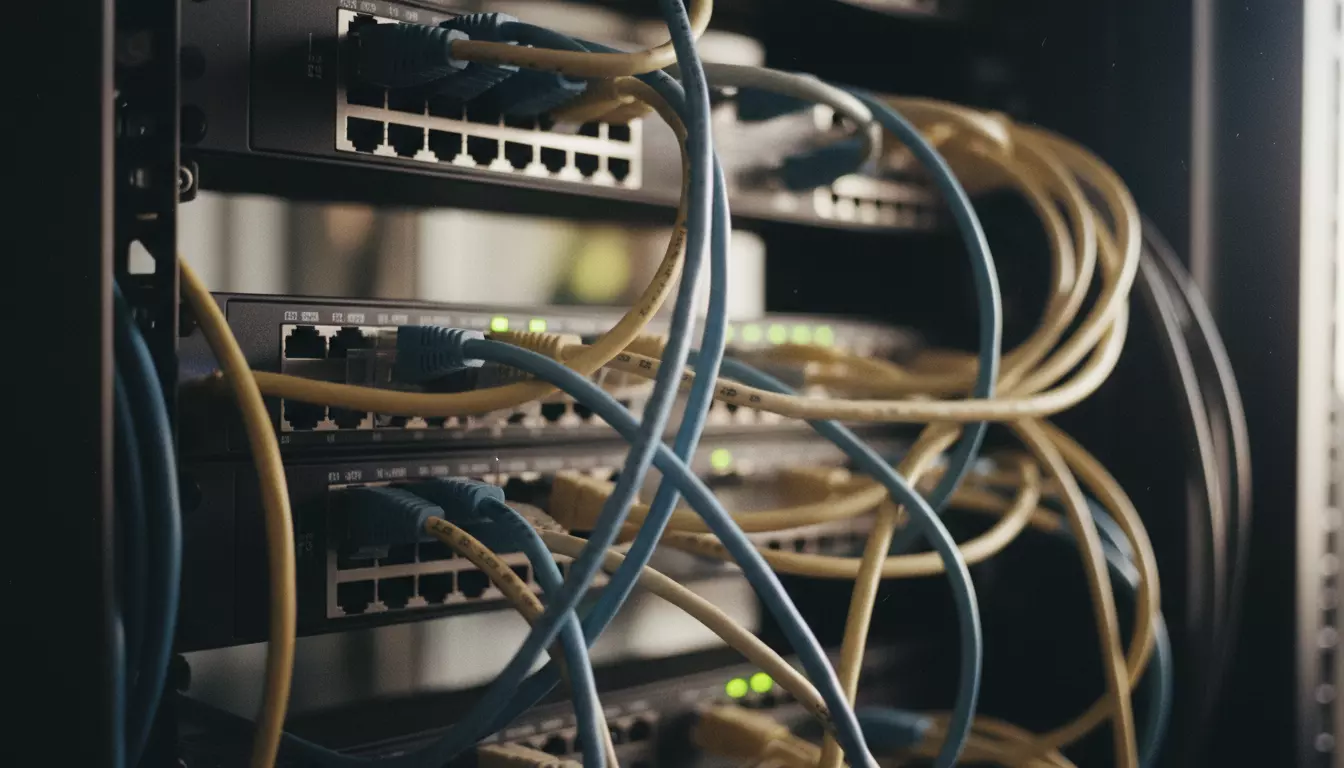
Patch cables also play an important role in keeping network environments organized and manageable. In network racks and cabinets, dozens or even hundreds of connections may exist between patch panels and switches.
Color-coded patch cables are often used to distinguish between different network segments, such as data, voice, or management networks.
This visual organization allows network administrators to quickly identify connections during troubleshooting or upgrades.
Proper cable management techniques including cable ties, routing guides, and labeling help prevent tangled cables and reduce strain on connectors.
An organized patching environment improves airflow around networking equipment and simplifies routine maintenance tasks.
Flexibility for Expansion
Unlike permanent cabling installations inside walls or ceilings, patch cables are designed to be flexible and easily replaceable. This makes them ideal for environments where network configurations change frequently.
When new devices are added or network layouts are modified, patch cables allow technicians to quickly reroute connections without altering the underlying cabling infrastructure.
This flexibility is particularly valuable in data centers, office network closets, and server rooms where equipment may be upgraded or relocated regularly.
By using standardized patch cables and structured cabling systems, organizations can adapt their networks to evolving requirements with minimal disruption.
The Importance of Quality Materials
Not all patch cables are manufactured to the same quality standards. Inferior cables may use thin conductors, poor insulation, or inconsistent manufacturing processes that compromise reliability.
High-quality patch cables typically feature pure copper conductors, durable connectors, and protective boots that reduce strain during installation and removal.
These features help extend the lifespan of the cables while maintaining stable network performance.
Working with specialized suppliers that verify product testing and material quality ensures that patch cables meet industry performance standards.
This attention to quality reduces the risk of unexpected connectivity problems and improves overall network reliability.
Read: Your Guide to the Best IT & Tech Courses You Can Take
Conclusion
Patch cables may be small components within a network infrastructure, but their impact on LAN performance is significant. They serve as the final connection between devices and the structured cabling system, making them essential for maintaining reliable data transmission.
By choosing high-quality patch cables that match the category of the network infrastructure, organizations can preserve signal integrity, support high-speed connectivity, and maintain organized network environments.
Combined with proper cable management and reliable materials, well-designed patching systems contribute to stable and efficient LAN operations.
In modern network environments where performance and reliability are critical, even the smallest components deserve careful attention.