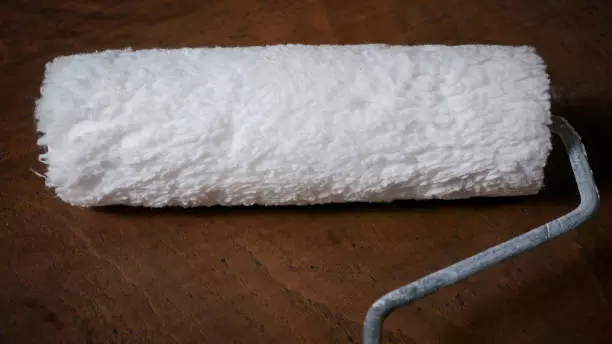
Why Microfiber Roller Covers Are Ideal for Professional Painters
Most pros don’t get hung up on fancy tools. They care about what works, what saves time, what doesn’t mess up a finish. Simple.
That’s where the microfiber roller cover quietly earns its spot. Not flashy, not new, just reliable. You use it once on the right job, and it kind of sticks in your routine.
There’s a reason you see them more often on serious job sites than in DIY kits. They just handle paint better. Less mess, more control. And honestly, fewer headaches at the end of a long day.
What Makes Microfiber Different From Standard Covers
Here’s the thing—microfiber isn’t just another fabric slapped onto a roller. It’s tighter, denser, and holds paint differently. Regular rollers? They dump paint fast, sometimes too fast, and you end up chasing drips or uneven patches.
Microfiber holds onto the paint a bit longer, releases it more evenly. That means fewer passes. Less backrolling. And yeah, less swearing under your breath when the wall starts looking patchy.
It’s not magic, but it feels close when you’re covering a big surface and it just… goes smooth.
Better Paint Pickup and Release (And Why That Matters)
You notice it right away. Dip the roller, roll it out, and it loads up without dripping everywhere. That balance matters. Too much paint, you’re wasting it. Too little, you’re working twice as hard. Microfiber hits that middle ground.
It absorbs well, but it doesn’t hoard paint like some thick nap rollers do. When you roll, it releases consistently. Not heavy at the start and dry at the end. Just even. That consistency saves time, and over a full project, time is money. Simple math.
Smoother Finish Without Fighting the Surface
Not every wall is perfect. Some are rough, some slightly textured, some just… weird. Microfiber adapts better than most. It glides instead of dragging.
That reduces streaks and those annoying roller marks that show up after drying. Especially with matte or eggshell finishes where imperfections stand out more.
You still need good technique, obviously. A bad painter won’t magically become great. But a good painter with the right cover? Big difference. Noticeable.
Durability That Actually Holds Up on Site
A lot of roller covers look fine out of the package and fall apart halfway through the job. Fibers shed, core loosens, suddenly you’ve got lint stuck in fresh paint. Not fun. Microfiber covers, the better ones at least, are built tougher.
They don’t shed much, and they hold their shape longer. You can rinse them, reuse them, push them through more than one job. That matters when you’re working regularly and not just painting a weekend project. Less replacement, less hassle.
Works Well With Different Paint Types
Latex, acrylic, even some thicker coatings—microfiber doesn’t really complain. It handles a range of materials without needing constant switching.
That’s useful when a project isn’t straightforward. Maybe walls, ceilings, and trims all need different finishes. Instead of juggling tools all day, you stick with something that performs across the board.
It’s not perfect for everything, sure, but it’s flexible enough that most pros keep it in rotation.
Less Splatter, Cleaner Job Sites
This one doesn’t get talked about enough. Splatter slows you down. You spend extra time covering surfaces, cleaning up, fixing mistakes. Microfiber reduces that.
Not completely, nothing does, but enough that you notice. Paint stays where it should more often. Floors stay cleaner. Your clothes… well, slightly cleaner at least. It’s one of those small advantages that adds up over a full day.
Fits Right Into Larger Roller Setups
When you’re scaling up, tools matter even more. Big walls, commercial jobs, long hours—you don’t want to fight your equipment. Microfiber works well with larger frames too, especially when paired with an 18in paint roller.
That combo covers ground fast without sacrificing finish quality. You’re not constantly reloading or correcting uneven spreads. Just steady, efficient coverage.
It feels smoother, less stop-start. And that rhythm helps you move quicker without cutting corners.
Read: House Painters In Abbotsford: How To Get A Flawless Finish
Cost vs Value (Not Always the Same Thing)
Yeah, microfiber covers can cost a bit more upfront. Not crazy expensive, but more than the cheapest options on the shelf. But if you’re looking at value instead of just price, it makes sense.
You get better coverage, fewer issues, and longer life. That means fewer replacements and less wasted paint. Over time, it evens out—or even saves money. Pros already know this. Beginners usually learn it the hard way after going cheap a few times.
Conclusion
At the end of the day, professional painting is about consistency. You want tools that don’t surprise you halfway through a job. The microfiber roller cover delivers that.
It holds paint well, lays it down evenly, and doesn’t fall apart when you need it most. It’s not flashy, not something you brag about.
But it works. And when you’re on a deadline, tired, trying to get clean results without redoing sections… that’s exactly what you want. Reliable, simple, gets the job done.