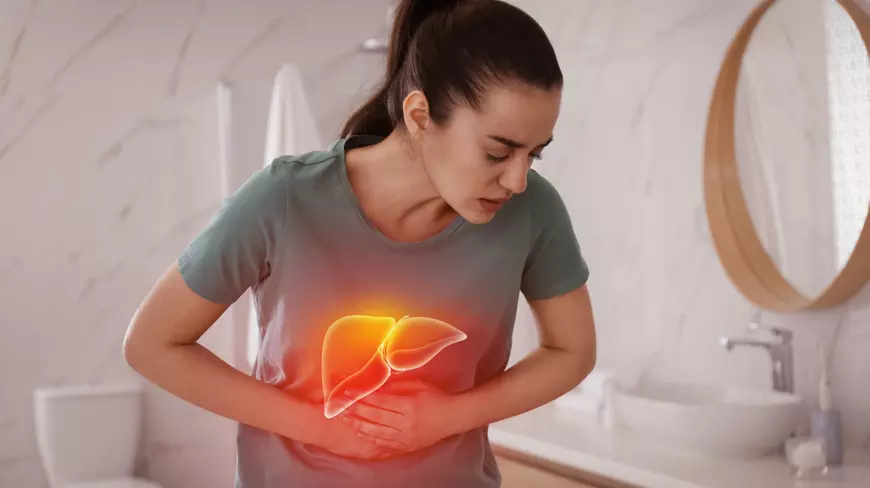
Why Liver Health Matters Even When You Feel Healthy
You feel fine. No pain, no fatigue, no obvious warning signs. So why would you need to think about liver health at all? It's a fair question and one that catches a lot of people off guard.
The truth is, your liver can be under real stress long before you notice a single symptom. Understanding why liver health matters, even when everything seems normal, could be one of the most important things you do for your long-term wellbeing.
What Does the Liver Actually Do?
Before we talk about the functions of the liver in the body, it helps to understand just how much work this organ does every single day. Sitting just under your rib cage, the liver is responsible for:
- Filtering toxins and waste out of your bloodstream
- Breaking down fats, proteins, and carbohydrates for energy
- Storing essential vitamins and minerals
- Producing bile to aid digestion
- Regulating blood sugar and cholesterol levels
- Metabolizing medications, alcohol, and other substances
In short, how the liver works touches nearly every system in your body. When it's functioning well, you probably won't think about it at all. That's exactly the problem.
Why You Can Feel Fine and Still Have Liver Issues
One of the most misunderstood aspects of liver health is how quietly problems can develop. The liver is remarkably resilient it can continue operating even when a significant portion of it is damaged or scarred.
This is why silent liver disease symptoms often don't appear until the condition has progressed significantly.
Conditions like fatty liver disease are a perfect example. Non-alcoholic fatty liver disease (NAFLD) is now one of the most common liver conditions worldwide, and the majority of people who have it experience no noticeable symptoms in the early stages. You could be dealing with hidden signs of liver disease for years without ever feeling "sick."
This is the core reason why liver health matters even without symptoms: by the time your body sends a clear signal something is wrong, the underlying issue may already be well established.
Liver tissue doesn't have many pain receptors, so damage can occur gradually and painlessly until function is meaningfully affected.
Read: Guide to Heart-Healthy Living at Any Age
Warning Signs to Watch For
While early liver problems are often silent, your body sometimes does send subtle clues. Knowing the early signs of liver damage can help you catch issues before they become serious. Keep an eye out for:
- Persistent fatigue or low energy, even after adequate sleep
- Mild discomfort or fullness in the upper right abdomen
- Unexplained weight changes
- Skin that bruises more easily than usual
- Digestive issues like bloating or nausea
- Changes in skin or eye color (a yellow tint may indicate jaundice)
- Dark urine or pale stools
None of these symptoms are exclusive to liver problems, which is part of why they're so easy to dismiss. But if you notice a combination of these liver health warning signs, it's worth mentioning to a healthcare provider rather than waiting for something more obvious.
How to Check Your Liver Health
Because liver problems can be so easy to miss, proactive testing is one of the most reliable ways to protect yourself.
A standard liver function test measures enzymes, proteins, and other markers in your blood that indicate how well your liver is working. Elevated liver enzymes, in particular, are often the first sign that something needs attention long before symptoms appear.
If you're wondering how to check liver health without waiting for a problem to develop, consider these steps:
- Ask for a liver panel during your next routine bloodwork many doctors include it automatically, but it doesn't hurt to confirm.
- Know your risk factors, including alcohol consumption, obesity, diabetes, and family history of liver disease.
- Track patterns over time, not just a single test result, since liver enzymes can fluctuate.
- Don't wait for symptoms annual checkups are far more effective than reactive care.
Getting a liver health test even when you feel completely healthy is one of the simplest forms of preventive care available.
How to Protect and Improve Liver Health
The good news is that the liver is one of the few organs capable of regenerating itself, which means many forms of early damage can be slowed, stopped, or even reversed with the right lifestyle changes. Here's how to focus on foods for liver health and habits that support long-term function:
Eat liver-friendly foods. Leafy greens, cruciferous vegetables, fatty fish, nuts, olive oil, and foods rich in antioxidants all support healthy liver function. Reducing processed foods and added sugars is equally important, since excess sugar is strongly linked to fatty liver buildup.
Moderate alcohol intake. Alcohol and liver health are closely connected, and even moderate, regular drinking can contribute to long-term strain on the organ.
Stay physically active. Regular exercise helps reduce liver fat and improves insulin sensitivity, both of which directly support liver function.
Manage your weight. Since fatty liver disease is closely tied to obesity and metabolic health, maintaining a healthy weight is one of the most protective steps you can take.
Be mindful of medications and supplements. The liver processes nearly everything you consume, including over-the-counter drugs. Avoid unnecessary long-term use of medications that stress the liver, and always follow recommended dosages.
Stay hydrated and get enough sleep. Both support the body's natural detoxification processes, which rely heavily on liver function.
The Bottom Line
Feeling healthy is reassuring, but it isn't the same as having a clean bill of health especially when it comes to an organ as quiet and resilient as the liver.
Why liver health matters isn't just about treating problems after they appear; it's about recognizing that this vital organ works hard behind the scenes, often without complaint, until it can't anymore.
Rather than waiting for symptoms that may not show up until significant damage has occurred, make liver health a routine part of your preventive care.
Simple choices eating well, moderating alcohol, staying active, and getting periodic liver function tests can make a meaningful difference in how well your liver serves you for decades to come.
If it's been a while since your last check, you can book a liver function test with GGT in islamabad and get a clear picture of how your liver is really doing.