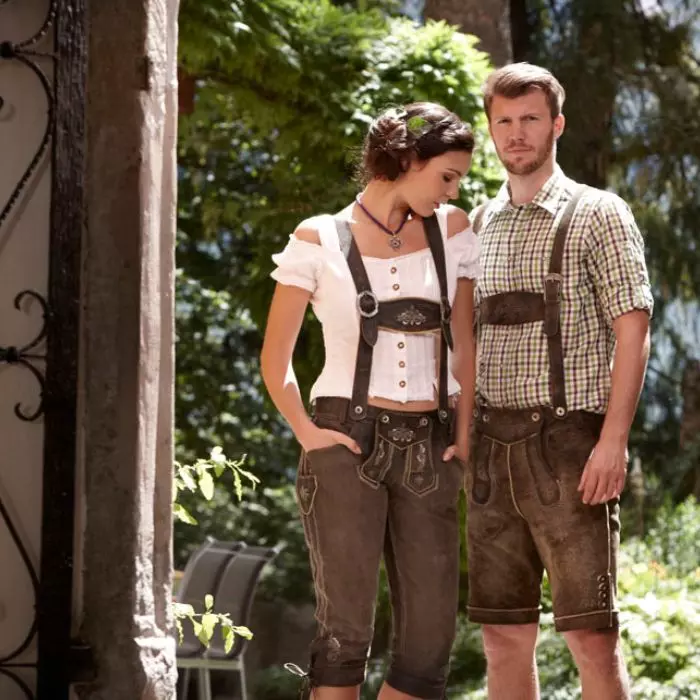
Why is traditional Oktoberfest clothing still worn today?
Oktoberfest Clothing is more than just a celebration of beer—it's a festival deeply rooted in Bavarian heritage and culture. Central to its vibrant spirit is the traditional clothing worn by attendees: lederhosen for men and dirndls for women. These garments are not just festive costumes; they are symbols of pride, tradition, and identity that continue to be worn with purpose, year after year.
A Link to Bavarian Heritage
Traditional Oktoberfest clothing serves as a powerful connection to Bavarian roots. The first Oktoberfest was held in 1810, and over the decades, the clothing worn has become a proud representation of rural Alpine life. Lederhosen and dirndls reflect a time when practicality met local craftsmanship, showcasing regional embroidery, durable materials, and handcrafted detail. Wearing these garments today honors the customs and stories of past generations.
Cultural Identity and Community
In modern celebrations, wearing traditional clothing helps foster a shared sense of identity. Whether you're a local or a visitor, dressing the part brings you closer to the heart of Bavarian culture. It signals respect for the festival's origin and creates a unified visual experience. For locals especially, it’s a point of pride to wear clothing that symbolizes where they come from.
Preserving Tradition Through Generations
Oktoberfest clothing is often passed down through families or chosen with care to continue age-old traditions. Many people wear outfits tailored to their family’s region, adorned with specific patterns or accessories that tell personal or ancestral stories. This continuity keeps the spirit of the festival authentic, even as modern trends and tourism evolve.
Symbolism in Every Stitch
The dirndl and lederhosen are full of meaning. The way a dirndl apron is tied, for example, can signal a woman's relationship status. Accessories like alpine hats, feathered pins, and leather shoes all add layers of cultural expression. These traditions are preserved not only for style but for their significance in community life.
A Celebration of Craftsmanship
Traditional Oktoberfest clothing is typically made with care and precision—stitched by artisans who use methods passed down through generations. From the quality of the leather to the hand-embroidered bodices, each piece tells a story of regional artistry. Wearing these clothes isn’t just about looking festive; it’s about supporting local heritage and skilled craftsmanship.
Tourist Participation and Global Appeal
Even for visitors, wearing Oktoberfest clothing shows appreciation for the culture. Many tourists choose to dress traditionally during the festival as a sign of respect and to better immerse themselves in the experience. It has become a global celebration, but the clothing keeps it grounded in its origins.
Conclusion: More Than a Costume
The continued use of traditional Oktoberfest clothing shows how deeply the people of Bavaria, and many beyond, value their history. It’s more than festive attire—it’s a tribute to centuries-old traditions, family heritage, and cultural pride. So, whether you're donning a pair of lederhosen or tying the perfect dirndl bow, you're not just dressing up—you're becoming a part of a living tradition that continues to thrive.