Why is my dryer not catching lint?
Your dryer’s lint trap has one job — to catch lint from your clothes before it travels into the vent. If the dryer stops catching lint, something is wrong. You may find little to no lint in the lint filter after a drying cycle. Or lint might blow around the laundry room or collect behind the dryer. This is not normal.
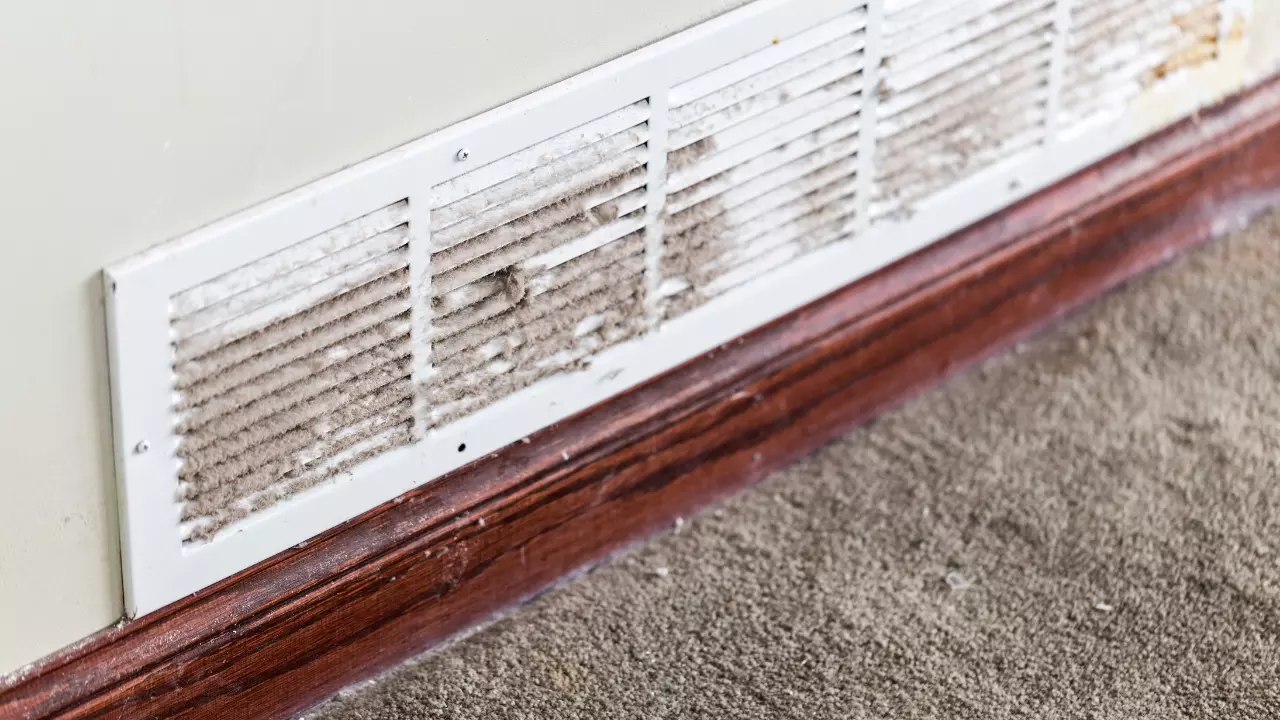
When your dryer isn’t catching lint, lint begins to move deeper into the vent system. Over time, this leads to major airflow problems. It also creates a dangerous fire hazard. Many times, this is also one of the strongest signs your dryer vent is clogged and needs cleaning.
In this guide, we’ll explain why your dryer isn’t catching lint, what the risks are, and how Local Vent Cleaning Services from AAA Air Duct Cleaning can fix the problem before it becomes dangerous.
Why Does a Dryer Have a Lint Trap?
Lint is tiny pieces of fabric that loosen from clothes during drying. Every load creates lint — especially towels and fuzzy items. The lint trap catches most of it before it enters the vent. This protects:
- The dryer from overheating
- The vent from clogging
- Your home from fire risks
When the trap is not catching lint, the lint escapes into the vent, and that is when trouble begins.
Common Reasons Your Dryer Isn’t Catching Lint
There are several reasons. Some are simple fixes. Others need professional help.
1️⃣ The Lint Trap Is Installed Incorrectly
If the filter is not fully seated in its slot, air will go around it instead of through it. When airflow bypasses the screen, lint doesn’t get trapped.
👉 Always make sure the lint screen is properly aligned.
2️⃣ The Lint Trap Is Damaged or Worn Out
Tears, cracks, or warped frames allow lint to slip through the filter. Even a small gap can let a lot of lint escape.
👉 Replace the lint trap if you see damage.
3️⃣ The Lint Screen Is Dirty or Coated
Fabric softener sheets leave a thin residue that blocks the mesh. When the lint trap cannot breathe, lint bypasses it and travels into the vent.
Try this easy test:
✔ Run water over the lint screen — if water does not pass through easily, the screen is clogged with residue.
👉 Scrub it with soap and warm water once a month.
4️⃣ Clogged Dryer Vent Blocking Airflow
This is the most dangerous cause.
When the vent is clogged with lint, airflow slows down. If air cannot exit properly, it does not flow through the lint filter the way it should. As a result, lint escapes around the filter and goes deeper into the vent system.
This is one of the major signs your dryer vent is clogged and needs immediate cleaning.
5️⃣ Incorrect Vent Hose Installation
If the vent hose is crushed, kinked, or too long with many bends, lint buildup accelerates. This restricts airflow and causes lint to bypass the screen.
6️⃣ The Dryer’s Internal Fan Is Not Working Properly
If the blower wheel is damaged or loose, it cannot move air through the lint filter. Less air through the filter = less lint trapped.
This often requires a technician to repair.
7️⃣ Outdoor Vent Is Blocked
Sometimes the outside vent flap gets stuck or blocked by:
- Dirt
- Bird nests
- Snow or leaves
Blocked vents slow airflow and prevent lint from reaching the trap.
What Happens When Lint Isn’t Caught?
If lint moves deeper into the vent, these problems start:
- Dryer takes longer to dry clothes
- Dryer overheats
- Burning smell during cycles
- Higher energy bills
- Lint buildup behind or under the dryer
- Fire risk increases dramatically
Lint is extremely flammable. One spark inside the vent can ignite it quickly. Most dryer fires start because lint was never caught or removed.
This is why Local Vent Cleaning Services are so important for home safety.
Read: Where Can You Get the Fastest Dryer Vent Cover Replacement
How to Tell If the Vent Is Already Blocked
Your dryer alerts you with warning signals. Look for:
- Clothes still damp after one cycle
- Hot dryer exterior
- Humid laundry room
- Dryer shutting off mid-cycle
- Lint outside near the vent opening
- Strange burning odor
These are classic signs your dryer vent is clogged and should never be ignored.
How to Fix the Problem
Here are steps you can take to solve lint-catching issues:
✔ Step 1: Clean the Lint Trap Thoroughly
Remove the screen and wash it with warm soapy water. Dry it completely before reinstalling.
✔ Step 2: Check Placement
Ensure the lint screen is fully pushed into the slot with no gaps.
✔ Step 3: Inspect the Vent Hose
Make sure it is not crushed or bent. Replace cheap plastic hoses with rigid metal ducting for safety.
✔ Step 4: Check the Outside Vent
Make sure the flap opens freely and nothing is blocking airflow.
✔ Step 5: Schedule Professional Dryer Vent Cleaning
Even if you clean everything else, lint deep inside the duct will still stay trapped. Only a professional cleaning can remove all of it safely.
Why Professional Cleaning Works Best
DIY kits can clean small sections, but they often push lint deeper. Many vents run through walls and ceilings — places you can’t reach.
But AAA Air Duct Cleaning uses:
- High-powered vacuums
- Rotating brushes
- Deep vent cleaning tools
- Full inspection of the vent system
We remove every layer of buildup so your dryer catches lint properly again.
How Often Should You Clean the Vent?
Recommended schedule:
- Every 12 months for most homes
- Every 6 months if you do laundry daily, have pets, or large family load sizes
Early cleaning prevents expensive repairs and keeps your home safe.
Benefits of Fixing the Lint Trap Issue
Once cleaned and restored:
- Clothes dry faster
- Dryer uses less energy
- Lint trap works like new
- Fire risk drops significantly
- Dryer lasts longer
- Laundry room stays clean
A small fix can save you from a costly problem later.
Why Choose AAA Air Duct Cleaning?
When safety is involved, trust the experts.
Our Local Vent Cleaning Services provide:
✔ Quick service with powerful tools
✔ Full lint removal from every corner
✔ Honest inspections and guidance
✔ Affordable pricing
✔ 15+ years of experience
We keep your dryer working efficiently and your home protected from fire hazards.
Final Thoughts
If your dryer isn’t catching lint, it’s not a minor inconvenience. It’s a warning that lint is traveling where it shouldn’t — inside the vent. And that is a dangerous situation.
Watching for signs your dryer vent is clogged and getting help early can save your dryer and your home. One professional cleaning can make a big difference in safety, performance, and peace of mind.