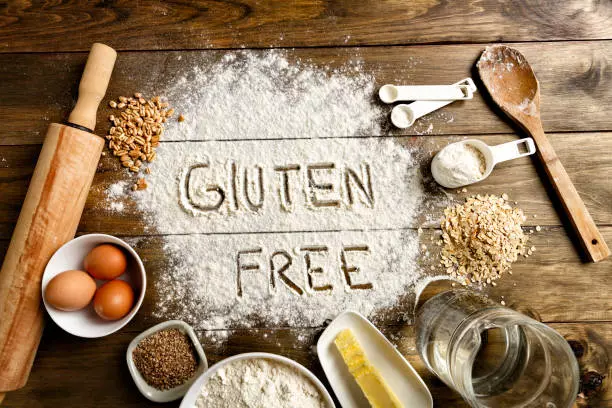
Why Gluten-Free Doesn't Always Mean Healthier?
If you've been scrolling through food posts lately, you've probably seen the gluten-free label everywhere. It pops up on snacks, bread, and even things that never had gluten in the first place. And a lot of people assume it must be healthier by default. I've had friends swear by it. You might feel the same.
But when I sat down with the best dietitian in Bangalore, one thing became clear fast. Gluten-free is not a magic shortcut to better health.
This blog breaks down why. I'll keep it simple, practical, and real. Nothing fancy. Just useful info you can take into your kitchen today.
What Gluten-Free Really Means
Before we get into the details, let's clear up what gluten is. It's a protein found in wheat, barley, and rye. That's it.
Some people can't digest it well. Some react badly. People with celiac disease must avoid gluten fully. A few others deal with gluten sensitivity.
But for many, gluten is not the enemy.
A gluten-free product only means the gluten is removed or never existed in the first place. It doesn't tell you anything about the rest of the ingredients. And that's where people get confused.
Common Reasons People Go Gluten-Free
You might relate to one of these:
1. You feel bloated after bread.
2. A friend said gluten-free foods help with "feeling lighter."
3. You saw a celebrity switch to gluten-free.
4. A doctor advised testing out dietary changes.
5. You assume gluten-free foods must be cleaner.
But here's the part many miss. Removing gluten doesn't fix every digestive issue. Sometimes the actual trigger is something else, like portion size, fiber imbalance, or even stress. I learned this after tracking my own meals for weeks.
When I asked the best dietitian in Bangalore about this, the response was simple. A gluten-free diet helps only if gluten itself is the problem. If not, you might just be eating more processed food with fewer nutrients.
Why Gluten-Free Foods Aren't Always Healthier
Gluten-free sounds healthy. But the reality is mixed.
Let's break down the big reasons.
1. Many Gluten-Free Products Are More Processed
When food makers remove gluten, they need to replace texture and structure.
Guess what they add?
1. Starches
2. Gums
3. Extra sugar
4. Extra fat
These ingredients help mimic the stretchiness gluten provides. But they can raise calorie levels. You may even feel hungrier because these foods digest faster.
I tested a gluten-free bread for a week. I needed almost double the slices to feel full. Not great.
2. Gluten-Free Doesn't Mean Nutritious
A gluten-free cookie is still a cookie.
A gluten-free pizza is still a pizza.
Some products lack:
1. Fiber
2. Iron
3. B vitamins
4. Protein
These nutrients often come naturally from whole grains that contain gluten. When removed, there's a gap. And that gap isn't always filled with better ingredients.
3. Serving Size Creeps Up
Since gluten-free items feel "cleaner," people tend to eat more of them.
It's easy to think, "It's fine, it's gluten-free."
I've caught myself doing this with gluten-free crackers. You finish half a pack without noticing.
4. Gluten-Free Junk Food Is Still Junk Food
This one hits home. I once bought a gluten-free brownie, thinking it might be better than the regular one.
It wasn't.
Actually, it had more sugar to make up for the texture.
Removing gluten doesn't remove sugar, oil, fillers, or preservatives.
5. Higher Cost Doesn't Equal Better Quality
Gluten-free foods often cost more.
The marketing makes it feel premium.
But the nutrition label may tell a different story.
When I compared regular oats and gluten-free oats, the nutrient profile was basically the same. I only needed gluten-free oats when cooking for a friend with celiac disease. For most of us, the regular version works fine.
When Gluten-Free Helps
Not everything about gluten-free is negative. Some people genuinely benefit.
You should consider it if:
1. Your doctor screened you for celiac disease
2. You react strongly to wheat-based foods
3. You feel bloated only after gluten-rich meals
4. You have unexplained skin rashes tied to gluten
5. You've had gut-related diagnoses that mention gluten
The key is to confirm it. A lot of folks skip the testing part.
If you suspect gluten sensitivity, talk to a professional first. Someone like the best dietitian in Bangalore can guide you with a structured elimination plan instead of guesswork.
What You Can Do Instead of Going Fully Gluten-Free
You don't need to cut gluten unless your body tells you to.
There are easier and safer steps.
Here are things that helped me and many readers.
1. Choose Whole Foods More Often
Try simple swaps:
1. Whole wheat roti
2. Brown rice
3. Millet dishes
4. Barley soups
5. Homemade oats breakfasts
These bring fiber, vitamins, and better energy.
2. Reduce Ultra-Processed Snacks
You don't need gluten-free chips when real food works better.
Try:
1. Roasted nuts
2. Fruit with yogurt
3. Boiled corn
4. Homemade chillas or dosas
3. Eat Smaller Portions of Gluten-Rich Foods
Instead of cutting out bread, try one slice instead of two.
See how your body reacts.
Sometimes "too much" creates discomfort, not gluten itself.
4. Focus on Hydration
Many people blame gluten when dehydration is the problem.
Drink more water, especially when eating high-fiber foods.
5. Track Symptoms for a Week
Write down:
1. What you ate
2. How you felt
3. Energy levels
4. Digestion changes
Patterns show up fast.
A dietitian can read these patterns clearly.
When the best dietitian in Bangalore reviewed someone's food log, the issue turned out to be excess coffee, not gluten. Easy fix.
Should You Try a Gluten-Free Diet?
Only if you're sure your body needs it.
Ask yourself a few quick questions:
1. Do you feel sick only after eating gluten-heavy meals?
2. Have you talked to a doctor or dietitian?
3. Have you tried adjusting portion sizes first?
4. Have you checked other triggers like dairy, stress, or irregular eating?
5. Are you choosing gluten-free foods because of fad trends?
Your answers will give you direction.
And if you're still confused, reach out to a specialist. The best dietitian in Bangalore often tells clients that self-diagnosing leads to more harm than gluten ever would.
Read: A2 Desi Cow Ghee: The Superfood Missing
What Happens If You Quit Gluten Without Needing To?
Most people don't realize this part.
You might face:
1. Lower fiber intake
2. Slower digestion
3. Cravings
4. Higher food bills
5. Less variety in your diet
If you cut gluten without a reason, you might remove foods that your body actually handles well.
I tried it for a few weeks and felt more tired during workouts. Once I added whole wheat back, the energy came back.
Better Alternatives to a Strict Gluten-Free Lifestyle
If your goal is better health, these habits usually bring more impact:
1. Eat more fruits and vegetables
2. Add protein to every meal
3. Reduce packaged snacks
4. Add fiber slowly
5. Space your meals throughout the day
6. Move your body daily
These changes give real results without needing gluten-free labels.
FAQs
1. Is gluten-free food always healthier?
No. Many gluten-free items have extra sugar and starch. The best dietitian in Bangalore often points out that nutrient levels drop when whole grains are removed.
2. Who actually needs a gluten-free diet?
People with celiac disease or gluten sensitivity. Others can eat gluten without problems.
3. Can gluten-free diets help with weight loss?
Not really. Weight changes depend on your overall eating habits, not the gluten part alone.
4. Should kids go gluten-free?
Only if advised by a healthcare professional. Kids need a balanced diet with a variety of grains.
5. How do I know if gluten is bothering me?
Track your meals for a week and check patterns. A dietitian can help you interpret these signs.
Gluten-free diets can help the right person. But they're not a shortcut to better health.
Just because something has a "gluten-free" tag doesn't mean it's better for you.
If you're unsure about your diet, talk to a professional. The best dietitian in Bangalore can give you clear, personalized advice so you don't end up cutting things you don't need to.
Take it slow. Listen to your body.
And remember, food choices don't have to be complicated.