Why Gen Z Employees in Singapore Are Rejecting Companies Without a Proper Wellness Framework
In early 2025, Channel News Asia shared the story of a 25-year-old employee who quietly walked away from her job. She was not underpaid. She was not underqualified. She was simply exhausted.
Her workload kept growing. Even outside work hours, she felt pressure to stay productive. Over time, the stress became physical. She had constant headaches and anxiety in crowded places. Eventually, she took unpaid leave and resigned. Her words were simple. She said she was just too tired to continue.
This is not an isolated case. It reflects a deeper shift happening across Singapore’s workforce.
Gen Z employees are no longer willing to stay in workplaces that ignore their well-being. They are not chasing burnout in exchange for promotions. They are choosing balance, clarity, and support.
This is why companies without a proper wellness framework are starting to lose their youngest and most dynamic talent.
A New Workforce With Different Expectations
- Gen Z employees grew up in a very different environment compared to previous generations. They are more aware of mental health.
- They openly talk about stress and burnout. They also understand that long-term success is not possible without well-being.
- According to research by Randstad in Singapore, 68% of Gen Z workers said they would not work for a company that does not offer enough flexibility in working hours. Another 61% said they would reject jobs that lack flexibility in work location.
- This is a clear signal. Flexibility and well-being are no longer optional benefits. They are basic expectations.
- At the same time, the same research shows that 41% of employees in Singapore leave their jobs to improve work-life balance, which is even higher than those who leave for better pay.
- This changes the entire hiring and retention strategy for companies.
The Burnout Problem Is Bigger Than It Looks
- Many leaders still underestimate how serious workplace stress has become.
- Data from Employment Hero in 2024 shows that 61% of employees in Singapore experienced burnout in just the previous three months. Among Gen Z, the number rises to 68%.
- This means more than half of young employees are already struggling.
- Another important insight comes from TELUS Health. Their Singapore Mental Health Index revealed that 41% of workers were at high mental health risk, while another 42% were at moderate risk.
- These numbers are not just statistics. They explain why employees are quitting even when jobs look stable from the outside.
- When people are constantly tired, anxious, and disconnected, they stop seeing long-term value in their work.
Mental Health Challenges Among Young People in Singapore
- The issue starts even before people enter the workforce.
- According to the National Youth Mental Health Study by Institute of Mental Health, 30.6% of young people aged 15 to 35 reported severe or extremely severe symptoms of depression, anxiety, or stress.
- This means many Gen Z employees are already entering jobs with high emotional pressure.
- If the workplace adds more stress without offering support, the outcome becomes predictable. Employees burn out faster and leave earlier.
Why Traditional Workplaces Are Failing Gen Z
- Most companies still follow outdated models. They focus on output, deadlines, and performance without looking at the human side of work.
- This creates a gap.
- Gen Z expects support, but companies offer structure without care.
- For example, many workplaces still treat wellness as a one-time activity. A single workshop or a yearly event is not enough. Employees need consistent support, not occasional attention.
- Research by Intellect found that only 15% of companies in Singapore provide comprehensive mental health resources. At the same time, even when programs exist, only 5% of employees actively engage with them.
- This shows a deeper problem. Wellness efforts are often poorly designed or disconnected from real employee needs.
The Real Reason Gen Z Walks Away
- Gen Z employees are not rejecting work itself. They are rejecting environments that make work unsustainable.
- Another story reported by Channel News Asia involved a nurse who said that even on his days off, he never felt rested. Work pressure followed him into his personal life. Rest became impossible.
- This is the key issue.
- When work starts affecting sleep, health, and personal relationships, employees begin to question its value.
- They do not wait for things to improve. They leave.
How Corporate Wellness Is Becoming a Business Necessity
- This shift is forcing companies to rethink their approach.
- Wellness is no longer a soft initiative. It is directly linked to productivity and retention.
- TELUS Health data shows that as mental health risk increases, productivity scores drop significantly. This means companies are not just losing employees. They are also losing performance.
- This is where structured corporate wellness programs singapore play a critical role.
- These programs are not about perks. They are about building systems that support employees daily.
- For companies exploring real solutions, platforms offering corporate wellness programs in singapore are helping businesses move beyond basic initiatives and create meaningful experiences.
What a Proper Wellness Framework Looks Like in Practice
- A strong wellness framework is not complicated, but it needs to be consistent and human-focused.
- It starts with understanding employee needs instead of assuming them.
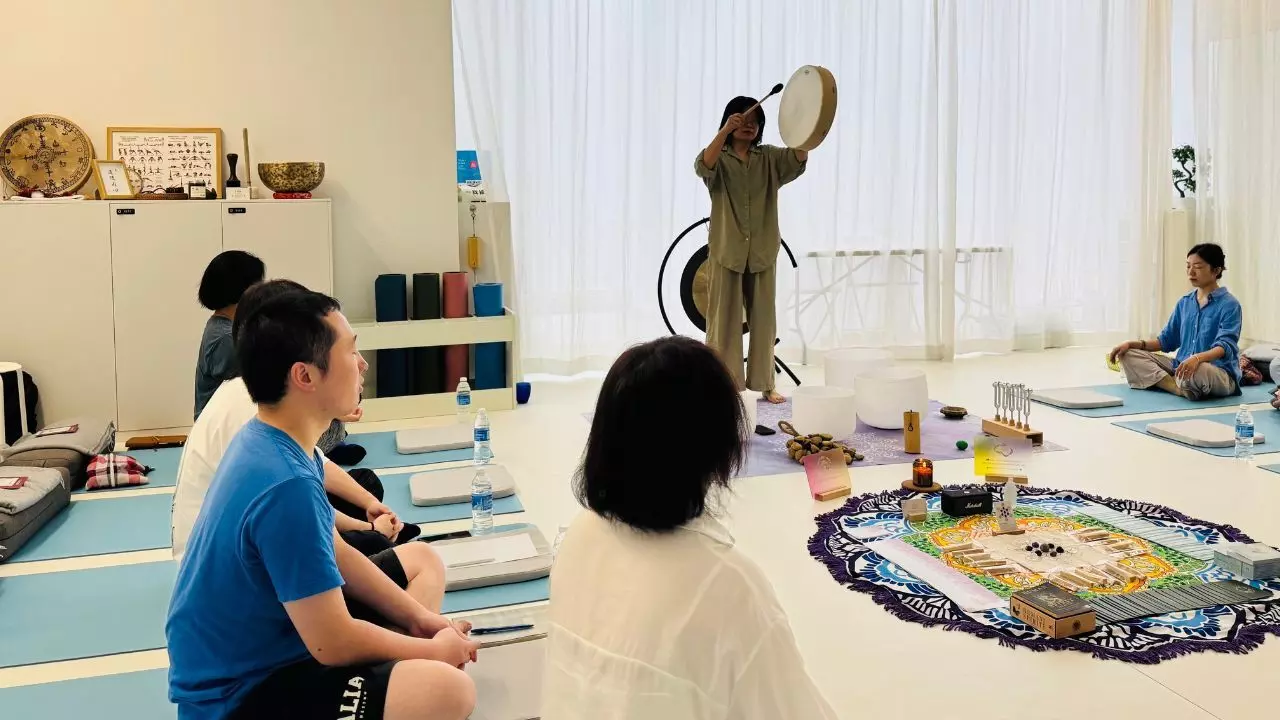
- For example, instead of generic sessions, companies are now introducing guided mindfulness practices, stress management workshops, and nature-based activities. These approaches help employees slow down and reset.
- Some organisations in Singapore, as reported by The Straits Times, have already started offering mental health days and structured wellness programs. These companies are seeing better engagement and stronger team morale.
- The difference is simple. They treat wellness as part of the work culture, not an add-on.
A Real Change Observed Inside Companies
- After spending hours of research on workplace trends in Singapore, one pattern stands out clearly.
- Companies that invest in wellness do not just reduce stress. They improve overall team performance.
- In one case, a mid-sized company introduced regular wellness sessions instead of one-off events. Over time, employees reported feeling more connected and less overwhelmed. Absenteeism dropped, and team collaboration improved.
- The biggest shift was not in numbers. It was in how employees felt about their workplace.
- They felt supported.
Why Ignoring This Trend Is Risky for Businesses
- Companies that ignore wellness are facing long-term risks.
- They struggle to attract Gen Z talent. Even when they hire, retention becomes difficult. Employees leave before they can fully contribute.
- At the same time, employer reputation suffers. In today’s digital world, workplace experiences are shared openly. A company known for poor work culture finds it harder to compete.
- The cost of replacing employees keeps increasing. Training new hires takes time and resources. All of this can be avoided with a strong wellness framework.
The Future of Work in Singapore Is Human-Centered
- The workplace is changing, and Gen Z is leading that change.
- They are not asking for unrealistic benefits. They are asking for sustainable work environments.
- They want to perform well, but they also want to feel well.
- This is pushing companies to move from performance-only models to people-first models.
- Wellness is becoming the foundation of modern workplaces.
Read: Mental Health Billing Services: Maximizing Efficiency for
What Smart Companies Are Doing Differently Today
- Forward-thinking companies in Singapore are already adapting.
- They are building environments where employees can work without constant pressure. They are creating systems that support mental clarity and emotional balance.
- Instead of focusing only on targets, they are focusing on how work is experienced.
- This shift is helping them attract better talent and build stronger teams.
Why Wellness Frameworks Will Define the Next Generation of Companies
- The message from Gen Z is clear.
- Work should not come at the cost of health.
- Companies that understand this will continue to grow. They will build loyal teams and strong cultures.
- Those who ignore it will keep facing high turnover and low engagement.
- In Singapore’s competitive job market, this difference will decide which companies succeed in the long run.
- Corporate wellness is no longer a trend. It is the standard that the next generation expects.