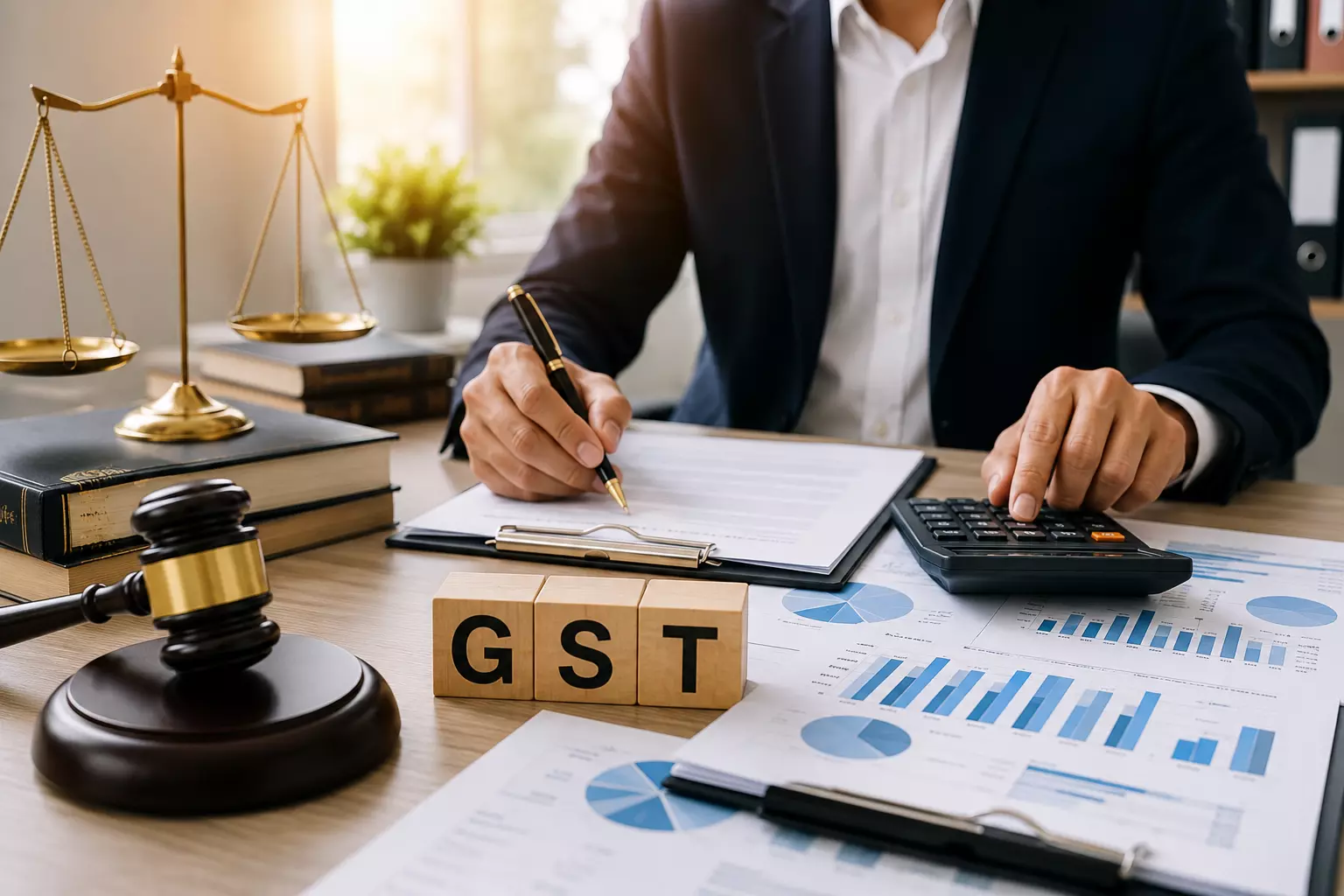
Why Every Growing Business Needs a GST Compliance Lawyer
GST was supposed to make things simpler. One tax, one system, one nation — that was the pitch back in 2017. Nine years on, most business owners will tell you a different story.
Between constantly shifting return formats, e-invoicing mandates, input tax credit mismatches, and notices that seem to arrive without warning, GST compliance has turned into a full-time headache for anyone running a business.
This is exactly why more companies, from small traders to mid-sized manufacturers, are turning to legal professionals who understand tax law from the inside out, rather than trying to muddle through it themselves or relying on a part-time accountant.
The Real Cost of Getting GST Wrong
A lot of business owners treat GST filing as a box-ticking exercise. File the return, pay whatever the software calculates, move on. The problem is that GST law doesn't work like that.
A missed reconciliation between GSTR-2B and purchase records can silently block your input tax credit for months. A wrongly classified supply can attract a demand notice years after the transaction happened, complete with interest and penalty.
A late registration, an incorrect e-way bill, or a mismatch in turnover reported across different returns — any of these can trigger scrutiny that eats up weeks of your time and thousands in professional fees to resolve.
None of this is about dishonesty. Most disputes arise from genuine confusion, outdated interpretations, or simply not knowing that a rule changed three months ago. That's the gap a qualified compliance lawyer fills.
What Sets Legal Guidance Apart from Regular Accounting Help
Chartered accountants and tax consultants play an important role in bookkeeping and return filing, no question there.
But when a dispute escalates, when the department issues a show-cause notice, or when an assessment turns adversarial, the situation calls for someone trained specifically in law, procedure, and representation.
A lawyer who focuses on indirect taxation brings a different set of skills to the table:
• Reading the fine print of statutory provisions, not just the return filing interface
• Drafting replies to notices that hold up under legal scrutiny, not generic templates
• Representing clients before tax authorities and appellate forums, where procedural knowledge matters as much as the facts
• Anticipating litigation risk before a transaction happens, rather than firefighting after the notice lands
This distinction matters more than most business owners realize until they're actually staring down a demand order with a thirty-day response window.
Read: How SimplySetup Makes GST Registration Hassle-Free
Where Consultancy Services Fit In
Not every business needs courtroom representation. Most, in fact, just need their day-to-day GST affairs handled properly — registration done right the first time, returns filed on schedule, credits claimed correctly, and books that match what the department expects to see.
This is where structured consultancy support earns its keep. Good consultancy isn't about running numbers through software and hitting submit. It involves:
Registration and structuring — Getting the GST registration category, place of business declarations, and HSN classifications right from day one, so problems don't compound later.
Ongoing return management — Filing GSTR-1, GSTR-3B, and annual returns on time, with proper reconciliation against purchase and sales registers.
Credit optimization — Making sure eligible input tax credit isn't left on the table due to documentation gaps or vendor non-compliance.
Audit readiness — Keeping records organized well before an audit notice ever arrives, because scrambling after the fact rarely ends well.
Businesses that treat this as an ongoing relationship, rather than a once-a-year scramble before deadlines, tend to face far fewer surprises.
Common Situations Where Legal Support Becomes Necessary
A few scenarios come up again and again for businesses navigating GST:
Receiving a show-cause notice. These carry strict timelines, and a poorly worded or delayed response can turn a minor discrepancy into a full-blown dispute.
Departmental audits and investigations. When officers request records, how those documents are presented and explained can shape the entire outcome.
Input tax credit disputes. With the department increasingly cross-checking supplier filings, credit denials have become common, and contesting them requires both technical and legal footing.
Cancellation or suspension of registration. This can halt business operations overnight, and getting it restored involves navigating both procedural and substantive requirements.
Cross-state transactions and e-commerce compliance. Businesses operating across multiple states or through online marketplaces face layered compliance obligations that a generic consultant may not fully grasp.
In each of these situations, working with a GST compliance lawyer in Prayagraj who understands both the letter of the law and how tax authorities actually operate on the ground makes a measurable difference.
Building a Long-Term Compliance Strategy
The businesses that handle GST well aren't the ones that never make mistakes. They're the ones that catch issues early, respond correctly, and treat compliance as an ongoing discipline rather than a once-a-year scramble.
That means periodic internal reviews, staying current with circulars and amendments, training internal staff on documentation practices, and having a trusted advisor on call before problems escalate rather than after.
Firms like CBS & Partners have built their practice around exactly this kind of proactive, long-term relationship with clients, combining regulatory advisory with hands-on litigation experience when disputes do arise.
Final Thoughts
GST isn't going to get simpler on its own. New notifications, changing thresholds, and evolving enforcement priorities mean businesses need more than a once-a-year filing service.
They need consistent, informed guidance from people who understand both the technical mechanics of the law and how to represent a business when things go sideways.
Whether you're a startup registering for the first time or an established company facing a departmental notice, the right legal partner doesn't just keep you compliant. They give you the confidence to focus on running your business instead of worrying about what the next return cycle might bring.