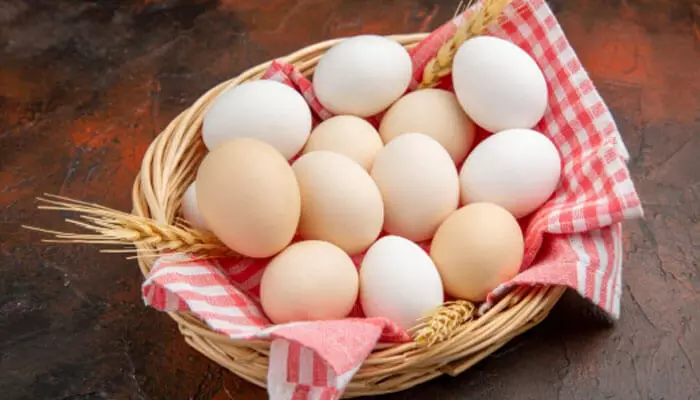
Why Eggs Are Often Confused with Dairy Products
Many people conflated eggs with dairy in their mind (and there are good reasons for that); eggs and dairy can end up causing confusion on a diet, such as a dairy-free, vegetarian or lactose-free diet. Although eggs are animal derived and often sold in the dairy aisle they are not technically dairy by definition.
In this post, we will help clarify why eggs are regularly mistaken for dairy, what defines dairy, and how eggs fit into the diet.
What is Dairy?
Dairy consists of the milk produced by mammals including cows, sheep and goats, and is classified as:
- Milk
- Cheese
- Yogurt
- Butter
- Cream
Dairy contains lactose (a naturally occurring sugar, element of nutrition, and contain calcium and vitamin D); and this may be one of the reasons why some people avoid (lactose intolerance, milk allergies, or dietary selection) dairy.
Relevant searches: "Lactose-free vs dairy-free", "Is butter dairy?, "Dairy products list"
Why Eggs Are Frequently Mistaken for Dairy
Here are a couple reasons why this error happens more than you'd think.
1. Grocery Store Layout
If you look at grocery stores, eggs are typically stored next to dairy items, and thus, visually and allocation-wise are perceived by many to be in the same category.
2. Animal Source
Both eggs and dairy are animal derived products.
Both dairy and eggs are animal products, giving the impression that both types of food are probably in the same food group - because milk comes from mammals, and eggs obviously come from birds.
3. Shared Usage in Food Preparation
In some recipes, eggs and dairy foods are used together, such as quiches, pancakes, custards, and breakfast platters, which makes the difference blurry.
4. Diet Confusion
People following dairy-free diets most often remove eggs as well (by accident, or due to overlapping limitations such as being vegan), which causes some confusion.
Popular questions: "Do eggs have milk in them?", "Can I eat eggs if I am lactose intolerant?, etc.
Are Eggs in a Dairy-Free Diet?
Yes! Eggs are 100% dairy-free. This means there is not any milk, not any lactose, and no milk-derived ingredients in eggs. If you avoid dairy because you are intolerant or have an allergy, you can continue to eat eggs a great source of protein, vitamins, and good fats.
Tip: Check baked goods or processed foods, as they may use dairy and eggs in their preparation.
Do Eggs Fit Vegetarian or Vegan Diets?
Vegan Diet: No eggs allowed, as eggs are derived from animals.
Vegetarian Diet: Most vegetarians, ovo-vegetarians in particular, include eggs in their diet.
So while eggs are not suitable for vegans, they are often eaten by vegetarians–people who don't eat meat, but consume animal products that don't involve slaughter.
Related searches: "Can vegetarians eat eggs", "Are eggs animal products", "Vegan vs vegetarian"
Final Clarification: Are Eggs Dairy?
No. For all the confusion around dairy eggs offer no milk, are not produced with mammal facilities, and would not be defined with or by, dairy. Eggs are a completely different food group: poultry products.
Why do we care about this? If you follow a certain way of eating, have food allergies, or just want to be informed about your food choices, it is important to distinguish between the two groups.
Final answer: Are Eggs Dairy? No, they are not. Although this can be confusing, eggs do not contain milk, come from non-mammals, and are not dairy. Egg are their own food group - a poultry product.
This may seem irrelevant if you are not following a special diet, have no food allergies or are not concerned with making conscious decisions about food.
Frequently Asked Questions
QuestionAnswerDo eggs have lactose?
No
Are eggs a milk product?
No, eggs are from birds
Can I still eat eggs on a dairy-free diet?
Yes, unless you are allergic to eggs
Do eggs fit into a lactose-free diet?
Yes, absolutely
Are they an animal product?
Yes, but not a dairy product
In the End
Now that you know the answer to whether or not eggs are dairy, the next time someone asks, you will know exactly what to say. In your fridge, they may live together, nutritionally and biologically they are different. When cutting out dairy or for clarity - I hope this makes an impact on the way you eat.