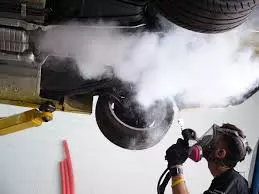
Why Dry Ice Blasting Is Becoming the Preferred Choice for Industrial Cleaning
Industrial cleaning is vital for keeping machinery efficient, maintaining safety standards, and ensuring high-quality output. Traditional cleaning methods like sandblasting, chemical sprays, or water-based washing often have drawbacks, including potential surface damage, long cleanup times, and environmental concerns.
Dry ice blasting is an innovative cleaning technology that addresses many of these issues. Using solid carbon dioxide pellets, this method cleans surfaces quickly and thoroughly without abrasion or moisture. But how does dry ice blasting actually work, and why is it gaining popularity across industries?
This article explains the science behind dry ice blasting and highlights its growing role in modern industrial cleaning.
What Is Dry Ice Blasting?
Dry ice blasting is a cleaning technique that propels tiny pellets of dry ice (solid CO₂) at high speed onto dirty or contaminated surfaces. The dry ice pellets impact the surface and remove dirt, grease, paint, mold, or other unwanted materials.
The key difference from other blasting methods is that dry ice sublimates — it changes directly from a solid to a gas on contact, leaving no solid residue behind. This means no additional media cleanup is necessary, making the process more efficient and environmentally friendly.
How Does Dry Ice Blasting Work?
Dry ice blasting relies on three main effects working together:
Mechanical Impact
The high-velocity dry ice pellets strike the surface, dislodging contaminants.
Thermal Shock
At around -78.5°C, dry ice causes the contaminants to rapidly cool, shrink, and crack, helping separate them from the surface.
Sublimation Expansion
Upon impact, dry ice instantly turns into carbon dioxide gas, expanding roughly 700 times in volume. This rapid expansion lifts debris off the surface.
Together, these forces deliver powerful cleaning without damaging the underlying material.
Advantages of Dry Ice Blasting
Dry ice blasting offers several benefits over traditional methods:
No secondary waste
Since the dry ice evaporates, only the removed contaminants need disposal.
Moisture-free cleaning
Ideal for electrical components and moisture-sensitive equipment.
Non-abrasive
Safe for delicate surfaces, coatings, and precision parts.
Eco-friendly
Uses recycled CO₂ and produces no hazardous waste.
Reduced downtime
Often cleans equipment in place without disassembly.
Food-grade safe
Complies with hygiene standards for food and pharmaceutical industries.
Common Industrial Uses
Dry ice blasting is used in diverse fields such as:
- Food processing: Cleaning ovens, conveyor belts, and mixers without water or chemicals.
- Automotive and aerospace: Removing grease, paint, and carbon deposits from parts and molds.
- Electronics: Cleaning circuit boards and switchgear safely.
- Manufacturing: Maintaining robotic arms, molds, and production lines efficiently.
- Printing: Removing ink and debris from presses and rollers.
- Historic restoration: Gentle cleaning of delicate surfaces like stone and wood.
Challenges and Considerations
While effective, dry ice blasting has limitations:
- Equipment cost: High initial investment may be a barrier.
- Dry ice storage: Dry ice sublimates over time, requiring proper storage.
- Ventilation: CO₂ gas release means good airflow is necessary for safety.
- Not suitable for all contaminants: Thick or sticky residues may need other treatments.
Is Dry Ice Blasting Right for Your Business?
Dry ice blasting is ideal if you need a fast, effective cleaning solution that avoids moisture and abrasion. It works well for sensitive equipment and meets strict cleanliness standards.
Many companies start with professional blasting services to evaluate if it fits their needs before buying equipment.
Conclusion
Dry ice blasting is transforming industrial cleaning by offering a quick, safe, and environmentally responsible alternative to traditional methods. Its unique cleaning action protects surfaces, reduces downtime, and eliminates secondary waste, making it suitable for many industries.
As businesses focus on efficiency and sustainability, dry ice blasting is becoming a top choice for cleaning challenges in manufacturing, food processing, electronics, and restoration. Its innovative approach sets a new standard for industrial maintenance and hygiene.