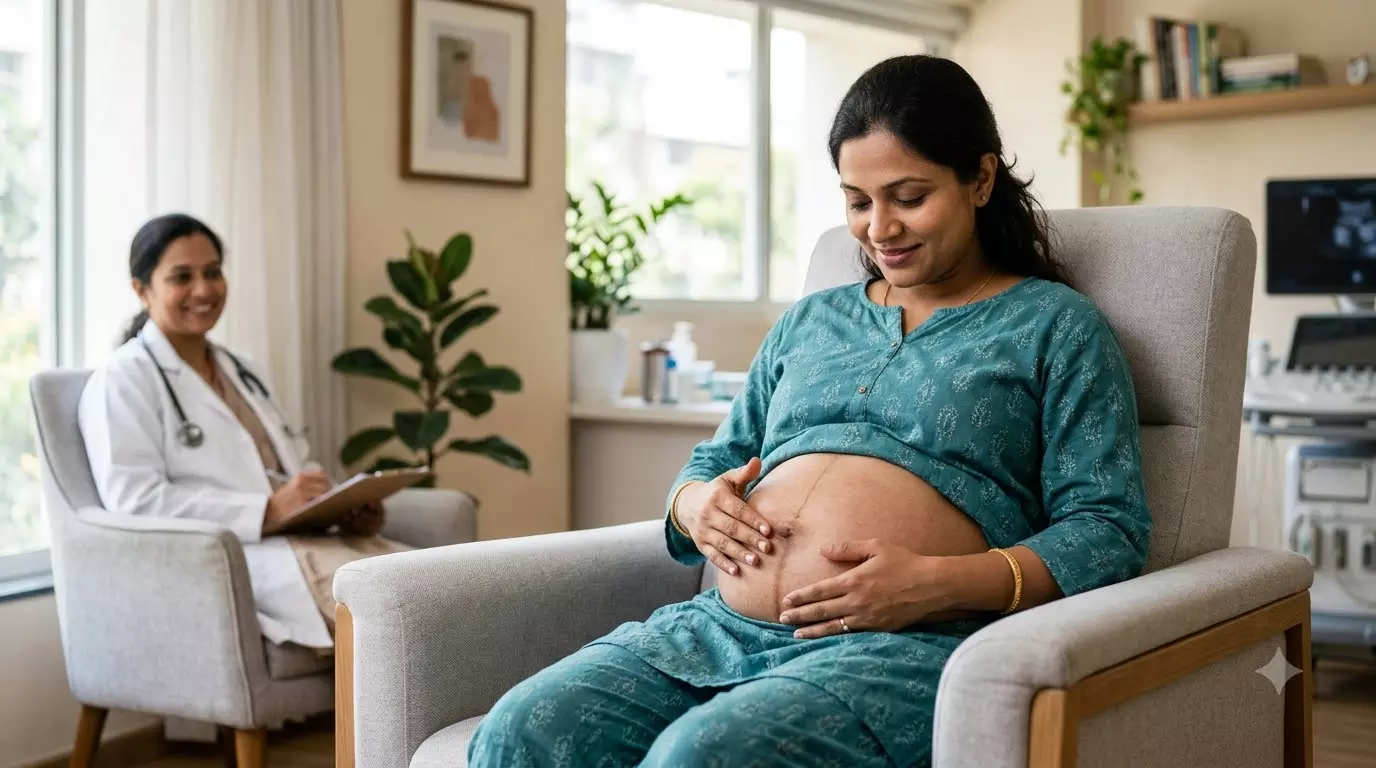
Why Does Pregnancy Affect Hair Growth and Hair Fall?
Pregnancy brings remarkable changes to the body, and hair is often one of the first places where women notice a visible difference. Some women enjoy thicker, fuller hair during pregnancy, while others experience dryness, thinning, or increased hair fall.
These changes are usually connected to pregnancy hormones and the natural hair-growth cycle. Understanding what happens can make these changes less worrying.
For women planning a family or already going through pregnancy after fertility treatment, knowing what is normal can be reassuring.
A consultation with a trusted fertility specialist, such as the best IVF doctor in Electronic city, can also help address broader questions about reproductive health before and during the pregnancy journey.
How Does Pregnancy Change Hair Growth?
During pregnancy, hormonal changes, particularly increased estrogen levels, can influence the normal hair cycle.
Normally, hair moves through three main phases: growth, transition, and resting. A proportion of hair naturally enters the resting phase and eventually falls out.
Higher estrogen levels during pregnancy may keep more hair follicles in the active growth phase for longer. As a result, some women notice that their hair looks thicker, shinier, or fuller than usual.
This does not necessarily mean that the follicles are producing permanently more hair. Instead, fewer hairs may be entering the shedding stage at the same time.
Why Does Hair Sometimes Look Thicker During Pregnancy?
Increased blood circulation and hormonal activity can contribute to changes in hair texture and appearance. Some women may notice that their scalp feels healthier or that their hair seems to grow faster.
However, pregnancy hair changes are different for every woman. Genetics, nutrition, stress, thyroid health, and existing hair conditions can also influence hair growth.
Read: Where Miracles Begin: Delhi's Most Recommended IVF
Why Does Hair Fall Increase After Pregnancy?
One of the most common concerns is postpartum hair loss. After delivery, estrogen levels gradually fall. Hair follicles that remained in the growth phase during pregnancy can begin shifting into the resting and shedding phase.
This can result in noticeably increased hair fall several weeks or months after childbirth. Seeing more hair on a pillow, comb, or bathroom floor can feel alarming, but postpartum shedding is often temporary.
The amount of hair loss can vary from person to person. It may become more noticeable around three to four months after delivery and usually improves as the normal hair-growth cycle gradually returns.
Can Nutrition Affect Pregnancy Hair Health?
Nutrition plays an important supporting role in healthy hair. Pregnancy increases the body's nutritional demands, making a balanced diet particularly important.
Protein, iron, folate, vitamin D, zinc, and other nutrients contribute to overall health. However, supplements should not be started simply because of hair fall. A doctor may recommend blood tests or specific supplements when a deficiency is suspected.
Adequate hydration, regular meals, gentle hair care, and avoiding excessive heat or harsh chemical treatments may also help protect fragile hair.
When Should Pregnancy-Related Hair Fall Be Checked?
Some hair shedding is expected, particularly after childbirth. However, sudden or severe hair loss, bald patches, scalp irritation, persistent fatigue, or other unusual symptoms deserve medical attention.
Conditions such as iron deficiency, thyroid disorders, hormonal imbalances, or nutritional deficiencies can sometimes contribute to excessive shedding. Identifying the underlying reason is more useful than simply treating the hair fall itself.
For women undergoing fertility treatment, hormonal changes may also raise questions about hair, skin, periods, and other body changes. Discussing these concerns openly with the treating medical team can provide appropriate guidance.
Healthy Hair Starts With Overall Health
Pregnancy-related hair growth and hair fall are closely connected to changing hormones and the body's natural hair cycle. Fuller hair during pregnancy and increased shedding after delivery can both be normal parts of the journey.
Rather than becoming anxious about every strand of hair, focus on balanced nutrition, gentle hair care, adequate rest, and professional advice when symptoms seem unusual.
Women preparing for pregnancy or exploring fertility treatment can seek personalized guidance from Dr Aravind's IVF Fertility & Pregnancy Centre in Electronic city, Bangalore, where reproductive health concerns can be discussed as part of a broader pregnancy-care journey.