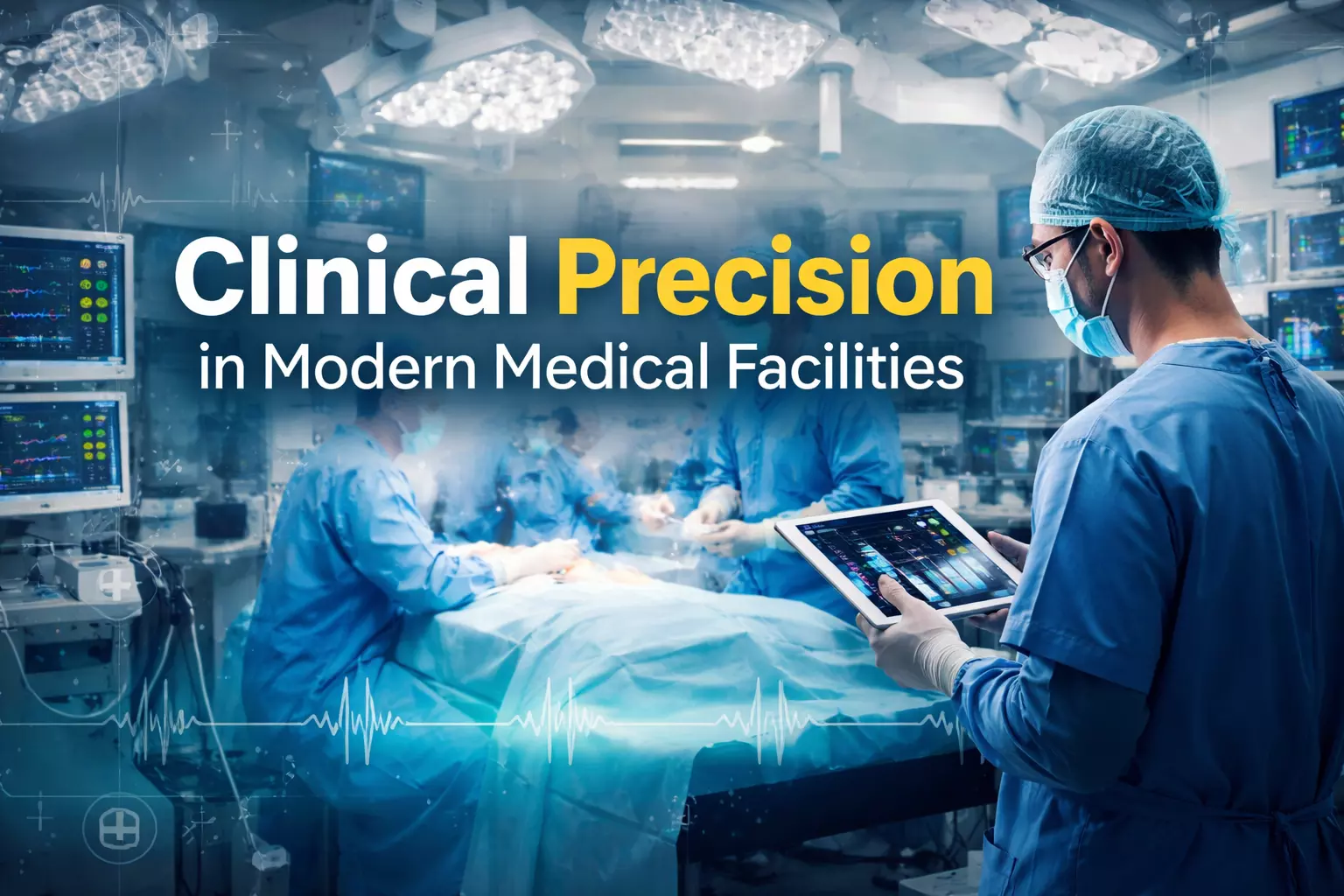
Why Clinical Precision Matters in Modern Healthcare
The expectations placed on modern medical facilities are higher than ever before. Patients demand safety, comfort, efficiency, and positive outcomes, while regulatory bodies enforce strict compliance standards.
At the same time, medical technologies are advancing rapidly, creating new opportunities as well as new complexities.
In this evolving environment, clinical precision has become one of the most critical factors influencing patient care and institutional success.
Clinical precision is not limited to advanced equipment or innovative treatment methods. It reflects the accuracy, coordination, and reliability of the professionals who manage patient care before, during, and after medical procedures.
Every detail matters, from correct patient assessment to real-time monitoring and post-procedure recovery planning.
The Foundation of Safe Medical Procedures
Every successful procedure begins long before the first incision or intervention. It starts with thorough patient evaluation, accurate diagnosis, and strategic planning.
Medical teams must consider the patient’s age, medical history, allergies, medications, and overall physical condition before proceeding.
This preparation phase is essential because even minor oversights can lead to serious complications. Proper planning reduces risks, improves workflow, and ensures that every team member understands their responsibilities.
Clinical precision also depends on effective communication. Clear communication between departments prevents misunderstandings and supports coordinated care delivery. When teams work in alignment, procedures are smoother and safer.
Managing Patient Stability During Procedures
One of the most sensitive aspects of any medical procedure is maintaining patient stability. Vital signs such as heart rate, oxygen levels, and blood pressure must be monitored continuously. Even small fluctuations can signal potential problems that require immediate attention.
This responsibility requires highly trained professionals who can interpret complex data in real time.
Among the most essential members of procedural teams are anesthesia providers, who are responsible for managing sedation, pain control, and physiological balance throughout medical interventions.
Their role demands constant vigilance and the ability to respond instantly to unexpected changes. By maintaining stability, they create a secure environment in which other clinicians can focus on their specific tasks.
The Importance of Experience and Judgment
Medical environments are unpredictable. Despite thorough planning, situations can change rapidly. A patient may react differently to medication, or an unforeseen complication may arise during a procedure.
In such scenarios, experience becomes invaluable. Skilled professionals rely on both formal training and practical exposure to make fast, informed decisions.
Clinical judgment often determines whether a complication is managed quickly or escalates into a serious issue.
Experience also improves confidence. When professionals are confident in their skills, teamwork becomes more effective, stress levels decrease, and outcomes improve.
Technology and Human Expertise Working Together
Modern healthcare relies heavily on advanced monitoring systems and digital tools. These technologies provide real-time data, enhance accuracy, and reduce the margin for error.
However, technology alone cannot guarantee safety. Machines provide information, but human expertise is required to interpret that information correctly. Clinical precision emerges when technology and professional skill work in harmony.
Healthcare facilities that prioritise both technological advancement and professional development are better positioned to deliver consistent, high-quality care.
Enhancing Efficiency Without Compromising Safety
Efficiency is a major goal for medical organisations. Shorter procedure times, optimised scheduling, and effective resource management improve overall performance. However, efficiency must never come at the cost of patient safety.
Clinical precision ensures that processes remain both efficient and safe. When roles are clearly defined and professionals are well-trained, procedures progress smoothly without unnecessary delays.
Efficient systems also reduce stress for both patients and staff. Patients experience shorter waiting times and smoother recoveries, while professionals work in structured environments that support their responsibilities.
Building Patient Trust and Confidence
Trust is central to healthcare. Patients place their well-being in the hands of medical professionals, often during vulnerable moments. Their confidence depends not only on technical competence but also on communication and empathy.
When medical teams demonstrate precision, organisation, and attentiveness, patients feel reassured. Clear explanations, careful monitoring, and smooth coordination all contribute to a positive experience.
Over time, consistent performance builds institutional credibility. Healthcare facilities known for reliability and safety attract more patients and establish strong reputations within their communities.
Medical Instrument Manufacturer – Trusted Solutions for ...
Long-Term Impact on Healthcare Quality
Clinical precision has long-term benefits that extend beyond individual procedures. It reduces complication rates, lowers readmission levels, and improves overall performance metrics.
From a strategic perspective, organisations that invest in skilled professionals and structured systems achieve sustainable growth.
Reduced errors mean fewer legal risks and lower operational costs. Improved outcomes lead to stronger patient loyalty and positive word-of-mouth.
Healthcare is an industry where reputation matters deeply. Precision and reliability form the foundation of long-term success.
Conclusion
In today’s complex medical landscape, clinical precision is more important than ever. It influences patient safety, operational efficiency, professional performance, and institutional reputation.
Every member of the medical team plays a role in maintaining this precision. Through careful planning, continuous monitoring, and expert decision-making, healthcare professionals ensure that procedures are carried out safely and effectively.
By prioritising coordination, expertise, and real-time responsiveness, medical facilities can deliver care that meets modern expectations and upholds the highest standards of quality.