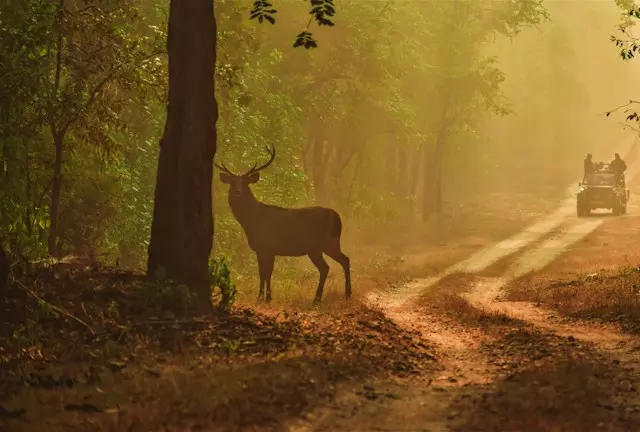
Why Biodiversity Makes Central India's Forests So Special
Central India is home to some of India's richest forest landscapes. From the sal forests of Madhya Pradesh to the dry deciduous woodlands of Maharashtra, these regions support a wide variety of wildlife.
Tigers, leopards, deer, wild dogs, sloth bears and hundreds of bird species share these natural habitats.
Biodiversity makes these forests special. It brings together different plants, animals, insects and microorganisms that depend on one another. Every species has a role in maintaining the natural balance of the forest.
For wildlife lovers, exploring Central India's forests offers more than the chance to spot a tiger. Every safari reveals a wider picture of nature and the connections that keep these landscapes alive.
The Rich Forest Landscapes of Central India
Central India has a mix of forest types, grasslands, rivers, streams and seasonal water bodies. These different habitats support wildlife throughout the year.
Teak and sal trees dominate many forest areas. Bamboo, grasses, shrubs and other native plants also grow across these landscapes. Together, they provide food and shelter for numerous species.
National parks such as Kanha National Park, Pench, Bandhavgarh and Satpura in Madhya Pradesh, along with Tadoba-Andhari in Maharashtra, protect important examples of this natural diversity.
Each park has its own landscape. Some have open meadows that attract grazing animals. Others feature thick forests, rocky hills and water sources that support different species.
How Different Species Support Forest Biodiversity
Every animal and plant contributes to the natural balance of a forest. Larger mammals often receive the most attention, but smaller species are equally important.
Herbivores such as chital, sambar and gaur feed on grasses, leaves and other vegetation. Their grazing helps shape forest growth and provides food for predators.
Tigers and leopards help regulate prey populations. Sloth bears feed on termites, ants and seasonal fruits. Wild dogs hunt in packs and play an important role in the predator community.
Birds and insects also support the ecosystem. Bees and butterflies help pollinate flowering plants. Birds disperse seeds, while insects help break down organic matter.
These natural relationships allow different species to survive within the same landscape.
The Importance of Water Sources and Grasslands
Water sources and grasslands are essential parts of Central India's forest habitats. Seasonal streams, ponds and rivers provide drinking water for wildlife, particularly during hotter months.
Grasslands support grazing animals such as chital, sambar and gaur. They also provide hunting opportunities for predators. Many bird species use these open areas for feeding and nesting.
Open meadows are particularly important for barasingha. These swamp deer depend on suitable grassland and wetland habitats for survival.
Healthy forests need a balance of woodland, grassland and water. Protecting different habitat types helps support a wider range of wildlife.
Why Central India Is Important for Tigers and Other Wildlife
Central India is one of India's important tiger landscapes. Its protected forests provide suitable habitats for tigers and many other mammals.
Bandhavgarh is recognised for its tiger population and varied woodland habitats. Pench supports tigers, leopards, wild dogs and several herbivore species.
Tadoba-Andhari Tiger Reserve in Maharashtra has dry deciduous forests, bamboo patches and water bodies. These habitats support a diverse range of animals.
Satpura offers rugged terrain, forests and river valleys. It provides habitats for leopards, sloth bears, Indian giant squirrels and many birds.
These parks are important not only because of their tigers. Their wider wildlife communities help maintain healthy forest ecosystems.
Read: Kanha Safari Tour Package
The Role of Birds, Reptiles and Smaller Wildlife
Biodiversity extends far beyond large mammals. Central India's forests support many birds, reptiles, amphibians and smaller animals.
Peafowl, hornbills, eagles, owls and kingfishers live across different habitats. Their feeding and nesting habits contribute to natural processes such as seed dispersal and population control.
Reptiles such as monitor lizards and snakes also play important roles. They help regulate populations of insects, rodents and other small animals.
Butterflies, beetles, ants and other insects support pollination and nutrient recycling. These species are easy to overlook during a safari, but they are essential to the forest.
Observing smaller wildlife gives visitors a better understanding of how much life exists within these landscapes.
How Biodiversity Keeps Forests Healthy
A diverse ecosystem can maintain its natural functions through different species. Plants, animals and microorganisms contribute to pollination, seed dispersal, soil health and population balance.
Trees absorb carbon and provide shade. Their roots help hold soil in place. Fallen leaves break down and return nutrients to the ground.
Animals move seeds across the landscape through their feeding habits and movement. Insects and microorganisms help recycle organic material.
When a species or habitat disappears, the effects can spread through the ecosystem. This is why conservation must protect entire habitats rather than focusing on individual animals alone.
Threats to Biodiversity in Central India
Despite their importance, Central India's forests face several challenges. Habitat loss, forest fragmentation, human-wildlife conflict and pressure on natural resources can affect wildlife populations.
Roads and settlements can divide forest habitats. This may restrict animal movement and reduce access to food, water and breeding areas.
Forest fires, invasive plant species and changing weather patterns can also affect natural habitats. These pressures may impact smaller species and plants before the effects become visible in larger wildlife populations.
Conservation requires habitat protection, wildlife monitoring and responsible land management.
How Responsible Safaris Support Conservation
Wildlife tourism helps people understand the importance of biodiversity. A well-managed safari allows visitors to experience natural habitats while learning about the animals that depend on them.
Responsible safari practices are essential. Visitors should follow park rules, maintain safe distances and avoid disturbing animals. Loud noises, littering and attempts to attract wildlife can affect natural behaviour.
Local communities also play an important role in conservation. Responsible tourism can support local employment and create awareness about protecting forests.
A safari should never be measured only by tiger sightings. Observing birds, animal tracks, forest vegetation and smaller wildlife can make the experience equally rewarding.
Final Thoughts
Central India's forests are special because of the variety of life they support. Tigers may be their most famous residents, but countless other species help keep these ecosystems healthy.
From grasslands and rivers to dense woodlands and bamboo forests, every habitat has its own importance. Protecting biodiversity means preserving the natural relationships that allow wildlife to survive.
The next time you visit a forest in Central India, look beyond the larger animals. Notice the birds in the trees, insects near flowering plants and tracks along the forest floor. These small details reveal the true richness of the landscape.
Frequently Asked Questions
1. What makes Central India's forests rich in biodiversity?
Central India's forests contain teak woodlands, sal forests, grasslands, wetlands and river valleys. These landscapes support many mammals, birds, reptiles, insects and plant species.
2. Which national parks are known for biodiversity in Central India?
Bandhavgarh, Pench and Satpura in Madhya Pradesh are important wildlife areas. Tadoba-Andhari in Maharashtra is also known for its rich forest habitats.
3. Why are grasslands important for Central Indian wildlife?
Grasslands provide food and shelter for grazing animals such as chital, sambar and barasingha. They also support birds and provide hunting grounds for predators.
4. How do tigers contribute to forest biodiversity?
Tigers help regulate prey populations and maintain balance within the food chain. Their conservation also requires protecting habitats that support many other species.
5. How can visitors help protect biodiversity during a safari?
Visitors can follow park rules, avoid disturbing wildlife, maintain safe distances and never leave litter behind. Choosing responsible safari operators also supports better wildlife tourism.