Why Australian businesses need custom CRM and ERP solutions in 2025
In today’s fast-moving digital economy, Australian businesses are under constant pressure to improve efficiency, adapt to evolving market demands, and deliver exceptional customer experiences. Generic software packages often fall short when it comes to meeting unique local requirements or scaling with business growth.
This is why many companies are adopting fully customized CRM and ERP solutions. These systems provide streamlined workflows, deeper customer insights, and automation that help organizations remain competitive and future-ready.
Benefits of CRM ERP software built to fit your business
For industries ranging from retail and healthcare to logistics and construction, choosing to develop custom CRM software can dramatically improve operational efficiency. A tailor-made CRM platform allows for seamless integration with existing systems, compliance with Australian regulations, and analytics tailored to local market behavior.
Likewise, custom ERP software enables unified management of finance, HR, inventory, and supply chain processes. This level of integration minimizes data silos, improves decision-making speed, and ensures teams have accurate, real-time information at their fingertips.
Key features to include in your CRM and ERP software
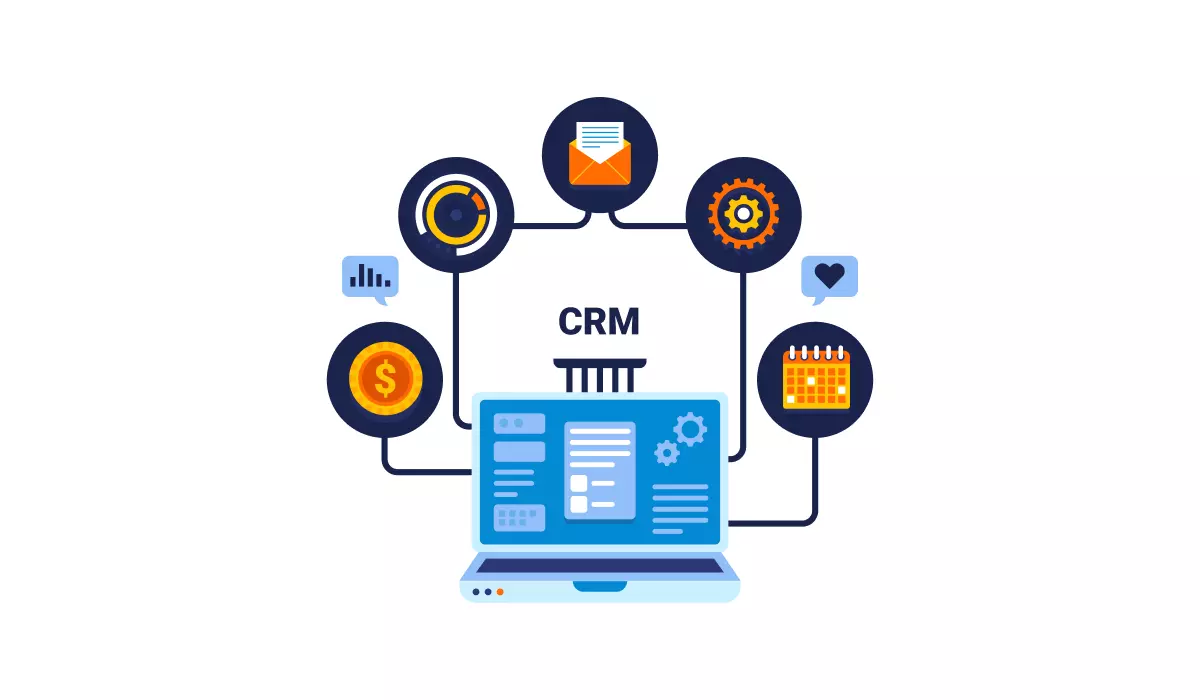
When developing a custom CRM and ERP solution, Australian businesses should focus on functionality that directly supports their operations and growth objectives. For CRM, this might mean sales automation, intelligent lead nurturing, AI-powered analytics, and omnichannel customer support tools.
On the ERP side, essential features could include multi-location inventory tracking, automated compliance reporting, supplier collaboration tools, and role-based access control for sensitive data. Scalability is key—your software should adapt and grow as your business evolves. Additionally, strong security protocols and regular backups protect critical business data against potential threats.
Choosing the right partner for development
Partnering with the right experts for custom ERP software development is critical to ensuring your platform delivers real value. A development team with experience in Australian market requirements—such as GST compliance, payroll regulations, and local logistics—can create solutions that meet operational needs while aligning with legal standards.
Clear communication, transparent timelines, and collaborative planning sessions help keep development on track and ensure the final product is user-friendly, efficient, and aligned with business goals.
Common challenges and how to solve them
Implementing new software can bring challenges, such as high upfront costs, technical integration issues, or resistance from employees accustomed to existing systems. These can be overcome by taking a phased rollout approach, introducing the most critical features first before expanding to additional capabilities.
Investing in comprehensive training, onboarding resources, and ongoing technical support will help ensure employees adopt the new tools with confidence. This not only improves productivity but also maximizes return on investment.
The global edge: learning from outside expertise
Collaborating with a software development company in Dubai can provide Australian businesses with innovative design ideas, access to cutting-edge technologies, and a broader perspective on digital transformation. Dubai-based firms often serve clients worldwide, giving them experience in building scalable, high-performance CRM and ERP platforms for diverse industries.
By tapping into this global expertise, Australian companies can incorporate advanced features like AI-driven analytics, mobile-first solutions, and multi-language capabilities—helping them compete more effectively in both local and international markets.
Final words
For Australian businesses in 2025, digital transformation is no longer optional—it’s essential for staying competitive. Custom CRM and ERP software provide the flexibility, scalability, and intelligence needed to meet evolving customer expectations and operational demands. By choosing a knowledgeable development partner and investing in technology built around their unique needs, companies can position themselves for sustainable growth and long-term success.