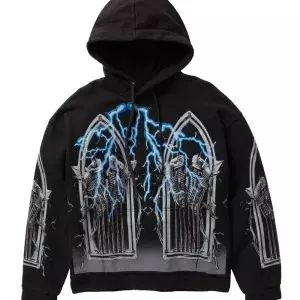
Does Who Decides War Release Limited-Edition Collections?
Collaboration drops take the limited-release model and push it even further, often producing far smaller quantities than a standard solo collection.
Partnering with outside designers, artists, or other brands typically means working within tighter production constraints, which naturally shrinks the total number of units available.
These collaborative pieces almost always sell out within minutes of release and rarely show up in future restocks, making them some of the most difficult whodecidedswar items to secure without checking release dates ahead of time.
How Restocks Actually Work
While most limited pieces never return, the brand occasionally restocks specific items, particularly popular basics or fan-favorite graphics from previous seasons.
These restocks are usually announced with little advance notice and sell out even faster than the original release, since demand has often built up during the waiting period.
It's worth noting that restocked items sometimes carry small differences, like updated tagging or slightly adjusted fits, compared to the original run, so it's not always an exact reproduction of what sold out before.
Tips for Catching a Drop Before It Sells Out
Following official social accounts and turning on notifications is the simplest way to stay ahead of release timing, since most drops get announced only a day or two in advance.
Signing up for email alerts through authorized retailers also helps, especially for smaller boutique stockists that might get limited allocations separate from the main site.
Setting reminders for known drop days and being ready to check out quickly matters too, since popular sizes on any who decides war release can disappear within the first few minutes.
Read: Peace in War Clothing || Official Shop
Avoiding Fakes When Chasing Rare Pieces
Limited availability naturally creates a market for counterfeits, and this brand is no exception. Fake versions of sold-out hoodies, jeans, and shorts circulate frequently on resale platforms and social media marketplaces, often at prices close to authentic resale value.
Always verify sellers through reputable resale platforms with authentication services, and compare stitching, tagging, and print quality against official product photos before committing to a purchase. Getting scammed on a limited piece is far more common than most buyers expect.
Why This Model Works for the Brand
Limiting production keeps the brand's identity intact and prevents it from becoming oversaturated the way some competitors have after scaling too aggressively. It also builds genuine excitement around each release, since buyers know that hesitating even briefly could mean missing out entirely.
This scarcity-driven approach has helped the label maintain a premium reputation despite operating in a crowded streetwear market, where plenty of other names have diluted their appeal by simply making too much product available too consistently.