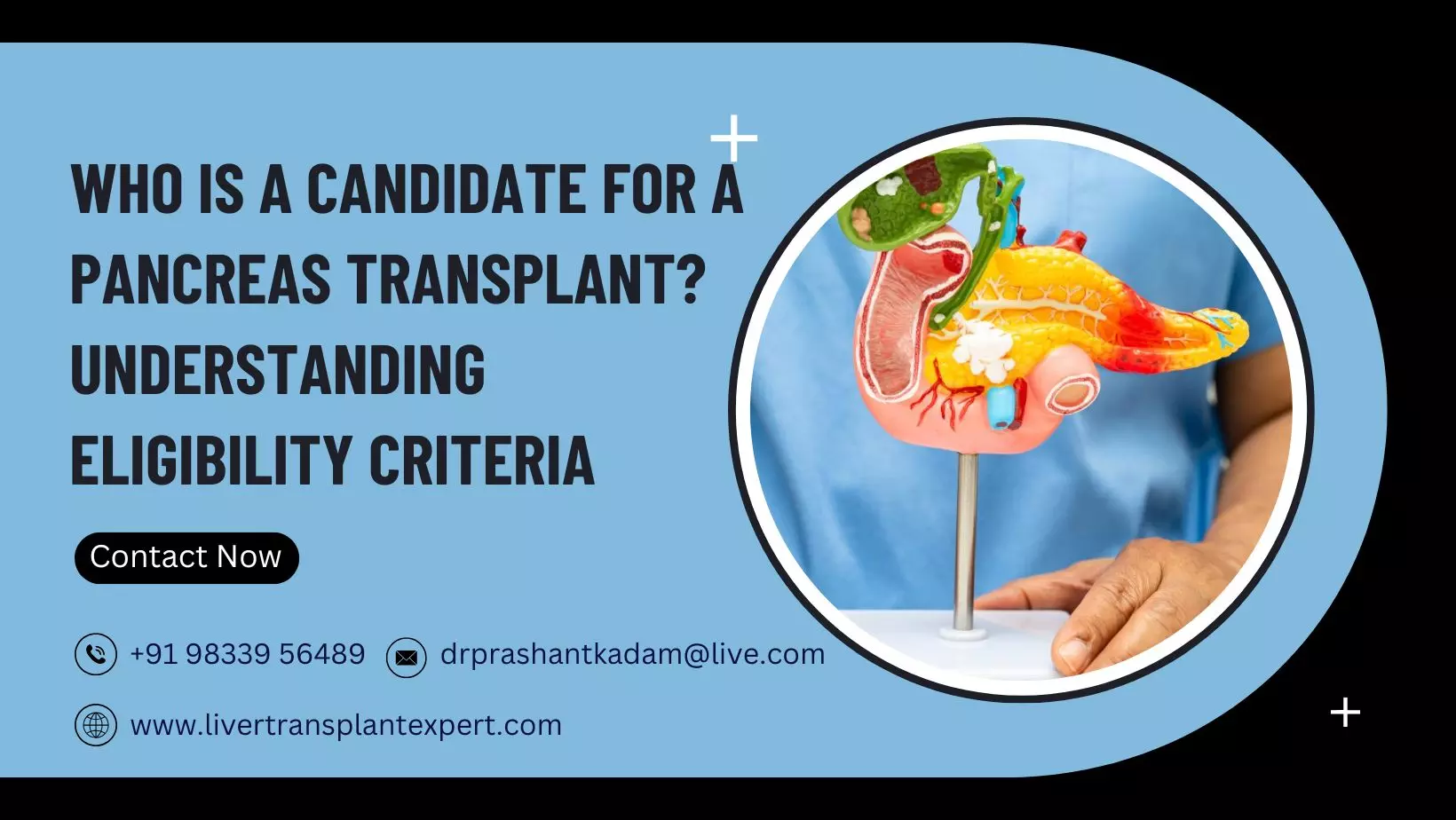
Who Is a Candidate for a Pancreas Transplant? Understanding Eligibility Criteria
Understanding Pancreas Transplantation
A Pancreas Transplant is a specialised surgical procedure that replaces a diseased or non-functioning pancreas with a healthy donor pancreas. The primary goal is to restore the body's ability to produce insulin naturally and improve blood sugar control.
For many people with diabetes, insulin therapy, medications, continuous glucose monitoring, and lifestyle changes provide effective management. However, some patients continue to experience serious complications despite receiving optimal treatment. In these situations, a pancreas transplant may be considered.
Understanding the eligibility criteria helps patients and families determine whether a transplant evaluation may be appropriate.
What Does a Pancreas Transplant Treat?
A healthy pancreas produces insulin, which helps regulate blood glucose levels. In people with Type 1 diabetes, the immune system destroys the insulin-producing cells of the pancreas.
As a result, the body can no longer produce sufficient insulin, making lifelong insulin replacement necessary.
A Pancreas Transplant can restore insulin production and help achieve better glucose regulation in carefully selected patients.
Who Is Considered a Candidate for a Pancreas Transplant?
Not every person with diabetes qualifies for transplantation. Transplant teams follow strict eligibility criteria based on internationally accepted transplant guidelines.
Patients with Type 1 Diabetes
The most common candidates are individuals with Type 1 diabetes who experience significant complications despite intensive medical therapy.
These patients often struggle with unstable blood sugar control that affects daily life and long-term health.
Severe Hypoglycaemia
Some patients experience repeated episodes of severe hypoglycaemia, also known as dangerously low blood sugar levels.
These episodes may lead to:
- Loss of consciousness
- Seizures
- Serious injuries
- Emergency medical treatment
When severe hypoglycaemia occurs frequently despite careful management, transplantation may be considered.
Hypoglycaemia Unawareness
Hypoglycaemia unawareness occurs when a person no longer recognises the warning signs of low blood sugar.
Without symptoms such as sweating, trembling, or dizziness, blood sugar can drop to dangerous levels without warning.
This condition is an important indication for transplant evaluation.
Diabetes-Related Kidney Failure
Many patients with long-standing diabetes develop chronic kidney disease.
In such cases, doctors may recommend a simultaneous pancreas-kidney transplant. This approach addresses both kidney failure and insulin deficiency through a single transplant strategy.
Difficult-to-Control Diabetes
Despite advances in insulin therapy and glucose monitoring technology, some individuals continue to experience extreme fluctuations in blood sugar levels.
Persistent instability can increase the risk of complications and significantly affect quality of life.
Medical Factors Evaluated Before Transplantation
Before recommending a Pancreas Transplant, specialists conduct a comprehensive medical assessment.
Overall Physical Health
Candidates must be healthy enough to tolerate major surgery and postoperative recovery.
Heart and Blood Vessel Health
Diabetes can affect cardiovascular health. A detailed cardiac evaluation helps identify any conditions that may increase surgical risk.
Kidney Function
Kidney health plays an important role in transplant planning, particularly when considering combined kidney-pancreas transplantation.
Infection Screening
Active infections must be treated before transplantation to reduce complications and improve outcomes.
Read: Understanding Why Type 2 Diabetes Develops and How to
Who May Not Be Eligible?
Certain medical conditions may affect transplant eligibility.
Severe Cardiovascular Disease
Advanced heart disease may increase surgical risk beyond acceptable limits.
Active Cancer
Most transplant centres require cancer treatment and remission before transplantation can be considered.
Uncontrolled Infection
Ongoing infections can increase the risk of complications after surgery.
Inability to Follow Long-Term Treatment
A successful transplant requires lifelong medication, regular follow-up appointments, and adherence to medical recommendations.
The Transplant Evaluation Process
Comprehensive Medical Testing
Specialists perform blood tests, imaging studies, and organ function assessments.
Psychological Assessment
Mental and emotional readiness are important components of long-term transplant success.
Multidisciplinary Review
Endocrinologists, transplant surgeons, nephrologists, anaesthetists, and transplant coordinators work together to determine eligibility.
This team-based approach ensures that patients receive individualised care and appropriate treatment recommendations.
Pancreas Transplant in India
Advances in transplant medicine have improved access to Pancreas Transplant in India. Several specialised transplant centres now provide comprehensive evaluation, advanced surgical techniques, and long-term post-transplant care.
Modern transplant programs follow internationally accepted protocols and involve multidisciplinary teams dedicated to managing complex diabetes-related complications.
Importance of Expert Care
Selecting the right transplant centre and specialist is essential for achieving the best possible outcomes.
Among experienced transplant and hepatopancreatobiliary specialists, dr prashant kadam is recognised for expertise in advanced transplant surgery and the management of complex pancreatic and hepatobiliary conditions.
Conclusion
A Pancreas Transplant may be an appropriate treatment option for selected patients with Type 1 diabetes who experience severe hypoglycaemia, hypoglycaemia unawareness, unstable blood sugar control, or diabetes-related kidney failure.
Careful evaluation by an experienced transplant team helps determine eligibility and ensures that patients receive the most suitable treatment plan. With ongoing advances in Pancreas Transplant in India, eligible patients have access to sophisticated transplant care and long-term support.