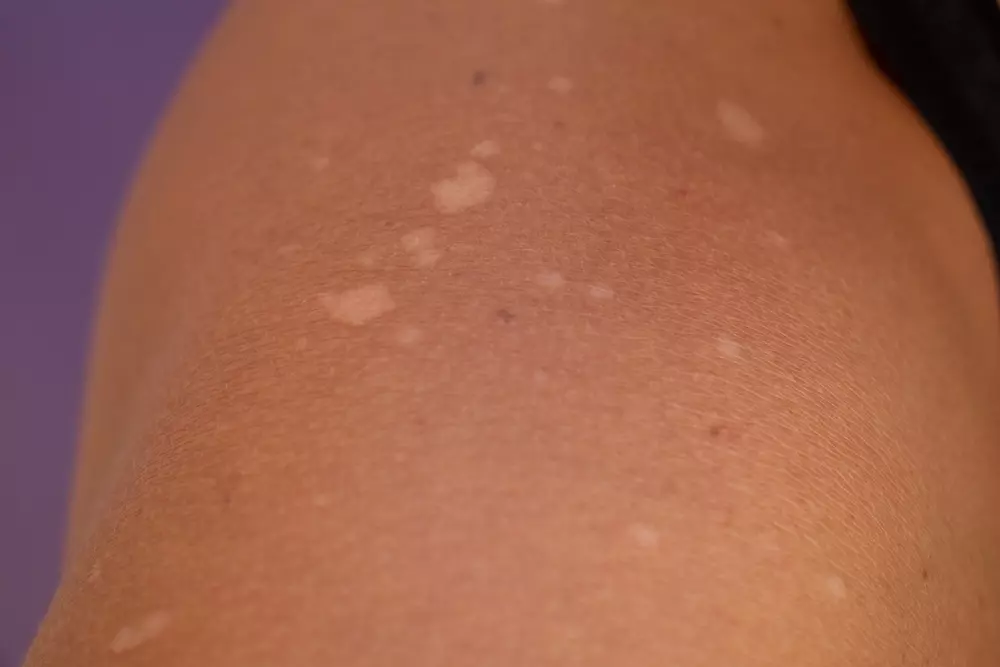
White Spots on Skin After Sun: Vitiligo or Something Else?
Have you noticed white spots on your skin after spending time in the sun and immediately thought something serious was happening? That reaction is common. However, here’s the thing: white spots after sun exposure do not always mean vitiligo.
Several skin conditions can create lighter patches, and the sun often makes them easier to see. Understanding and differentiating sun-induced white spots from vitiligo can help you avoid unnecessary worry and know when to seek help.
In this guide, we’ll look at why these spots appear, possible causes, signs that point toward vitiligo, and when it may be time to speak with a healthcare professional.
Why Does Sun Exposure Make White Spots More Noticeable?
You may notice skin changes after a sunny day and wonder why they suddenly appeared. In many cases, the spots were already there but became more visible afterward.
What changes after your skin gets sun exposure?
When your skin gets sunlight, it produces more melanin. Melanin gives your skin its natural color and helps protect it from ultraviolet rays. As nearby skin becomes darker from tanning, lighter areas can stand out more clearly.
In some cases, the skin in certain spots does not produce the same amount of pigment as the surrounding areas. As a result, you suddenly notice pale patches that seemed invisible before.
However, the sun does not always create the problem itself. Instead, it often acts like a spotlight. It highlights changes that may have already been developing quietly.
That leads to an important question: if it is not always vitiligo, what else could be causing these white spots?
White Spots After Sun: What Else Could Be Causing Them?
Several conditions can create lighter patches on the skin. Some are temporary, while others may need to go through vitiligo treatment options.
Not every white patch points to the same condition
One common cause is sun-related pigment changes. Long periods of sun exposure can affect how pigment develops in some areas of the skin.
Another possible reason is dry skin. Dry patches can look lighter than the surrounding skin, especially after sun exposure. Sometimes they appear rough and may become more obvious after swimming or spending time outdoors.
A fungal skin condition can also create white or pale spots. These patches may appear on the chest, shoulders, neck, or back. In some people, mild itching or fine scaling develops as well.
In addition, post-inflammatory pigment loss can occur. This happens when the skin loses some color after healing from irritation, eczema, acne, or a rash.
Skin irritation itself can also play a role. Small injuries or inflammation sometimes leave temporary color changes behind.
Common clues that suggest a non-vitiligo cause:
- Mild scaling on the skin
- Itching
- Spots appearing after a rash
- Temporary color changes
- Uneven or unclear borders
Of course, these signs do not give a complete answer. Still, they provide useful clues. So naturally, the next question becomes: what actually makes vitiligo different?
Could It Be Vitiligo? Signs That Make It Stand Out
White spots often cause concern because many people connect them directly with vitiligo. Yet vitiligo has some features that can help separate it from other conditions.
You might be wondering: what makes vitiligo different?
Vitiligo develops when pigment-producing cells become reduced or stop functioning in certain areas. This creates patches that look much lighter than the surrounding skin.
The patches often have a few recognizable features:
- Bright or very clear white color
- Smooth skin surface
- Sharp, well-defined borders
- Symmetrical appearance in some people
Vitiligo commonly appears on areas such as:
- Hands
- Face
- Around the eyes
- Around the mouth
- Knees
- Elbows
One thing surprises many people. Vitiligo usually does not create scaling or rough skin. It also does not commonly cause itching.
Well, skin conditions do not always read textbooks. Some people notice slight differences in how their spots look. However, certain patterns still appear more often than others.
Knowing these signs can help, but comparing details side by side makes things easier.
Read: Which One is Best for Glowing Skin?
Differentiating White Spots From Vitiligo: A Simple Side-by-Side Guide
Small details can make a big difference when you are trying to understand skin changes.
What details should you pay attention to?
Color appearance
Vitiligo often creates bright white patches. Other causes may create lighter skin that is not completely white.
Texture changes
Vitiligo usually keeps the skin smooth. Other conditions may cause roughness, dryness, or fine scales.
Spot shape
Vitiligo often forms well-defined edges. Other causes can create uneven or blurry borders.
Location on the body
Vitiligo commonly affects certain areas like the face, hands, elbows, and knees. Other white spots may appear more randomly.
Changes over time
Some white spots fade naturally. Vitiligo patches may gradually spread or increase.
Associated symptoms
Itching, irritation, or redness may suggest another cause instead of vitiligo.
You do not need to become your own skin expert overnight. However, paying attention to these details can help you describe symptoms more clearly if you decide to seek medical advice.
That brings us to another important point: when should you stop watching and start getting answers?
When Should You Get White Spots Checked?
Many skin changes turn out to be harmless. However, certain situations deserve more attention.
Some signs should not be ignored
Consider getting medical advice if:
- White spots spread quickly
- New patches continue appearing
- Hair inside the affected area becomes white
- Skin changes significantly over time
- You have a family history of pigment disorders
Early evaluation can help identify the cause and rule out other conditions. It may also give you more treatment options if treatment becomes necessary.
You might think, "Maybe I should just wait and see." Sometimes that approach works. On the other hand, continuing changes deserve a closer look.
Paying attention early can help you understand what is happening before concerns grow larger.
Conclusion
White spots on the skin after sun exposure can feel alarming at first. However, they do not automatically mean vitiligo. Dry skin, fungal conditions, pigment changes after irritation, and several other causes can create similar-looking patches.
Understanding how to differentiate sun-induced white spots from vitiligo starts with noticing details such as texture, borders, symptoms, and how the spots change over time.
Ready to take the next step? Here’s what you can do today: monitor changes, take photos if new patches appear, and speak with a skin specialist if something seems unusual.
In addition, staying informed about skin health research matters. If you are interested in learning more about research opportunities, you can also explore options to join an atopic dermatitis clinical trial and discover how studies continue to improve skin care approaches for the future.