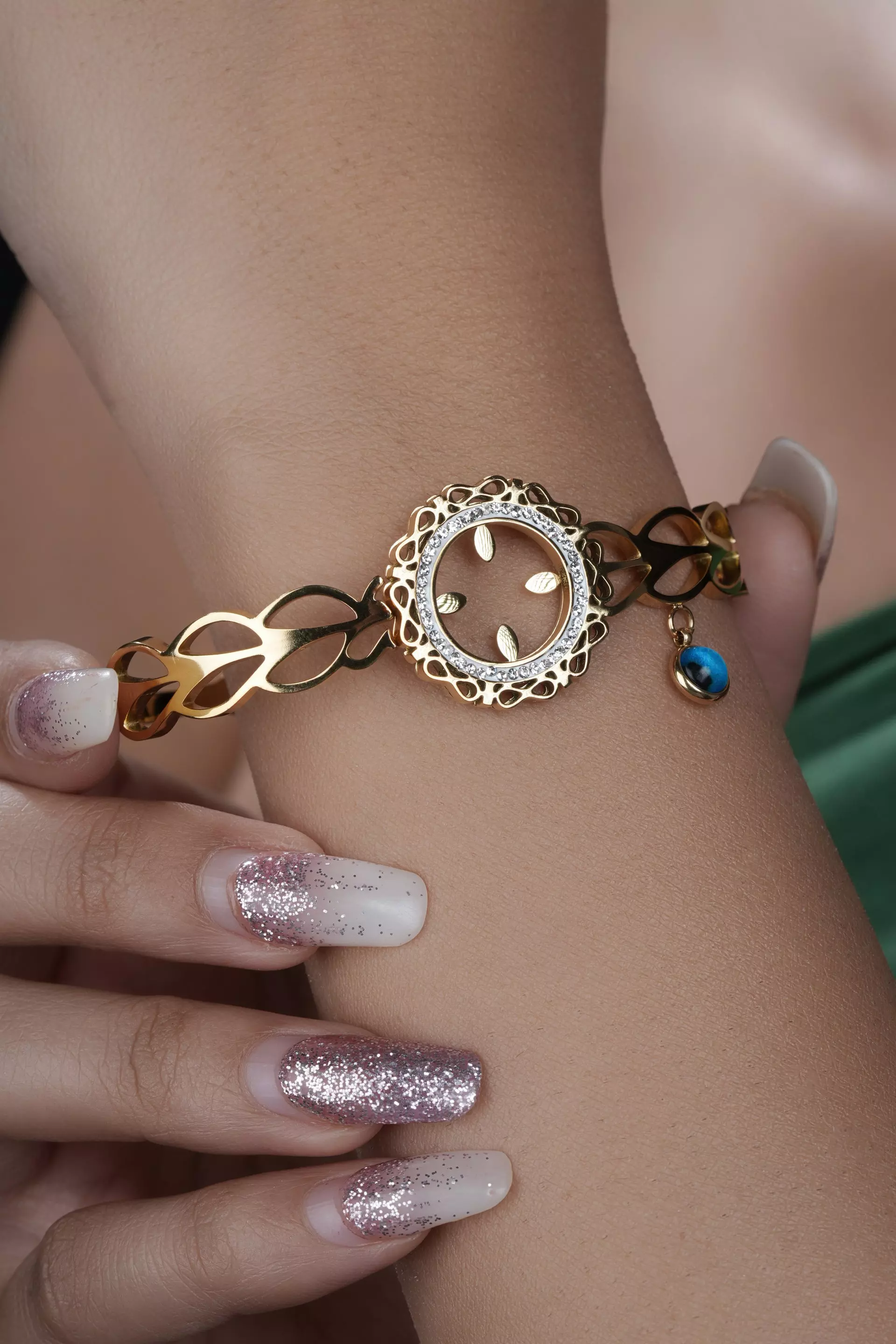
Which kada is best for sensitive skin
Ever slipped on a gorgeous kada for women only to find your wrist protesting with redness, itching, or even a rash a few hours later? If you've nodded along, welcome to the club of sensitive skin sufferers! It's frustrating, isn't it? We want to adorn ourselves with beautiful pieces like a delicate evil eye bracelet for women or a stunning diamond bracelet, but our skin often has other plans.
The good news is, you don't have to sacrifice style for comfort. This comprehensive guide will walk you through everything you need to know about choosing the perfect kada that won't irritate your sensitive skin, allowing you to embrace both fashion and well-being.
Understanding Sensitive Skin: Why Your Kada Matters
Let's start by understanding what's going on with your skin. It's not just "being fussy" – there's a real science behind those uncomfortable reactions.
What Exactly is Sensitive Skin?
Sensitive skin is essentially skin that has a lower tolerance to external factors. Its protective barrier might be compromised, making it more susceptible to irritants and allergens. Think of your skin barrier as a shield; for sensitive skin, that shield might have a few tiny cracks, allowing things to get through that wouldn't bother others.
Common Skin Reactions to Jewelry
When your skin reacts to jewelry, it typically falls into a couple of categories:
Allergic Contact Dermatitis
This is an immune system response. Your body identifies a specific substance in the jewelry (like nickel) as a threat and launches an attack, resulting in redness, itching, swelling, and sometimes even blisters. It's like your skin saying, "Nope, not today!"
Irritant Contact Dermatitis
This isn't an allergic reaction, but rather a direct irritation to the skin. It can be caused by friction, trapped moisture, or harsh chemicals used to clean the jewelry. It's more of a protest than a full-blown war.
Nickel Allergy: A Common Culprit
If there's one villain in the world of jewelry and sensitive skin, it's nickel. This common metal is often used as an alloy in various jewelry pieces because it's strong and inexpensive. However, it's also one of the most frequent causes of allergic contact dermatitis. Even tiny amounts can trigger a reaction in susceptible individuals. If you’ve ever had a reaction to costume jewelry or even certain earrings, nickel was likely the culprit.
Decoding Kada Materials: What to Look For (and Avoid!)
Now that we understand why your skin might be protesting, let's talk about the good stuff – the materials that will be your skin's best friends.
Hypoallergenic Heroes: Top Picks for Sensitive Skin
When you're searching for kada bangles or any womens bracelet, these are the materials you want to prioritize. "Hypoallergenic" essentially means "less likely to cause an allergic reaction."
Surgical Stainless Steel: The Unsung Hero
Often overlooked, surgical stainless steel is a fantastic option for sensitive skin. It's incredibly durable, resistant to tarnish, and most importantly, it's typically nickel-free or contains such a minuscule amount that it won't trigger a reaction. Plus, it's surprisingly affordable, making it a great everyday choice.
Pure Gold (24K): The Luxurious Choice
Ah, gold! The ultimate symbol of luxury. Pure gold (24 karat) is naturally hypoallergenic because it doesn't contain any other metals. However, 24K gold is very soft and easily scratches, which is why most jewelry is made with lower karatage (like 18K or 14K), which contains alloys. If you opt for lower karat gold, make sure you inquire about the other metals used in the alloy to ensure they are also skin-friendly.
Sterling Silver (92.5% Pure): A Classic with Caveats
Sterling silver is a popular choice for its beauty and affordability. It's 92.5% pure silver, with the remaining 7.5% typically being copper or other metals. While pure silver is hypoallergenic, some people can react to the copper content. It's generally well-tolerated, but if you have very sensitive skin, you might want to test it out before committing. Also, sterling silver tends to tarnish, requiring regular cleaning.
Titanium: Lightweight and Biocompatible
Titanium is a relatively new player in the jewelry world, but it's quickly gaining popularity, especially for body piercings, because it's incredibly biocompatible. This means it's extremely unlikely to cause any adverse reactions with the human body. It's also super lightweight and remarkably strong, making it a comfortable and durable option for a kada.
Platinum: The Rarest and Most Hypoallergenic
Platinum is the crème de la crème of hypoallergenic metals. It's incredibly rare, durable, and naturally white, so it doesn't require rhodium plating (which some people can react to). It's also very dense, giving it a satisfying weight. The only downside? Its price tag, which is significantly higher than gold.
Materials to Approach with Caution (or Avoid Entirely)
Now, for the metals that might send your skin into a frenzy. Knowledge is power, so be aware of these potential irritants.
Nickel: Your Skin's Arch-Nemesis
We've already established nickel as the primary villain. Avoid any jewelry that explicitly states it contains nickel, or anything that doesn't specify its metal content, as it's often a hidden ingredient in cheaper alloys.
Copper and Brass: Oxidizing Offenders
While some people tolerate copper, it can cause skin discoloration (a green tint) and sometimes irritation due to oxidation. Brass, an alloy of copper and zinc, can also cause similar issues. These are best avoided if your skin is particularly reactive.
Cheap Alloys: A Recipe for Reaction
"Costume jewelry" often uses a mix of inexpensive metals, and unfortunately, these often contain nickel or other irritants. While they might be tempting for their price point, they're a gamble for sensitive skin and often lead to disappointment (and an itchy rash!). It's almost always worth investing a little more for a piece that you know won't cause you discomfort.
Beyond the Metal: Design and Comfort Considerations
It's not just about the metal itself; the design and construction of your kada also play a crucial role in preventing irritation.
Smooth Edges and Finishes: No Room for Irritation
Rough edges, sharp points, or poorly finished surfaces can rub against your skin, causing friction and irritation, especially on a delicate area like your wrist. Always look for kadas with smooth, polished surfaces that feel comfortable against your skin. This is particularly important for kada bangles that might be worn close to the skin for extended periods.
Breathability and Fit: Preventing Trapped Moisture
A kada that fits too snugly can trap moisture and sweat underneath, creating a breeding ground for bacteria and leading to irritation. Conversely, a kada that's too loose can rub and chafe. Look for designs that allow your skin to breathe, and always ensure a comfortable, yet not overly tight, fit.
The Weight Factor: Lighter is Often Better
Heavy kadas can drag on your skin, causing discomfort and potentially leading to irritation over time, especially if you're wearing them for long hours. For sensitive skin, lighter weight options are often preferable, as they exert less pressure and allow for better air circulation.
Special Considerations for Kada Styles
Let's apply these principles to some popular kada styles you might be considering.
Kada for Women: Style Meets Sensitivity
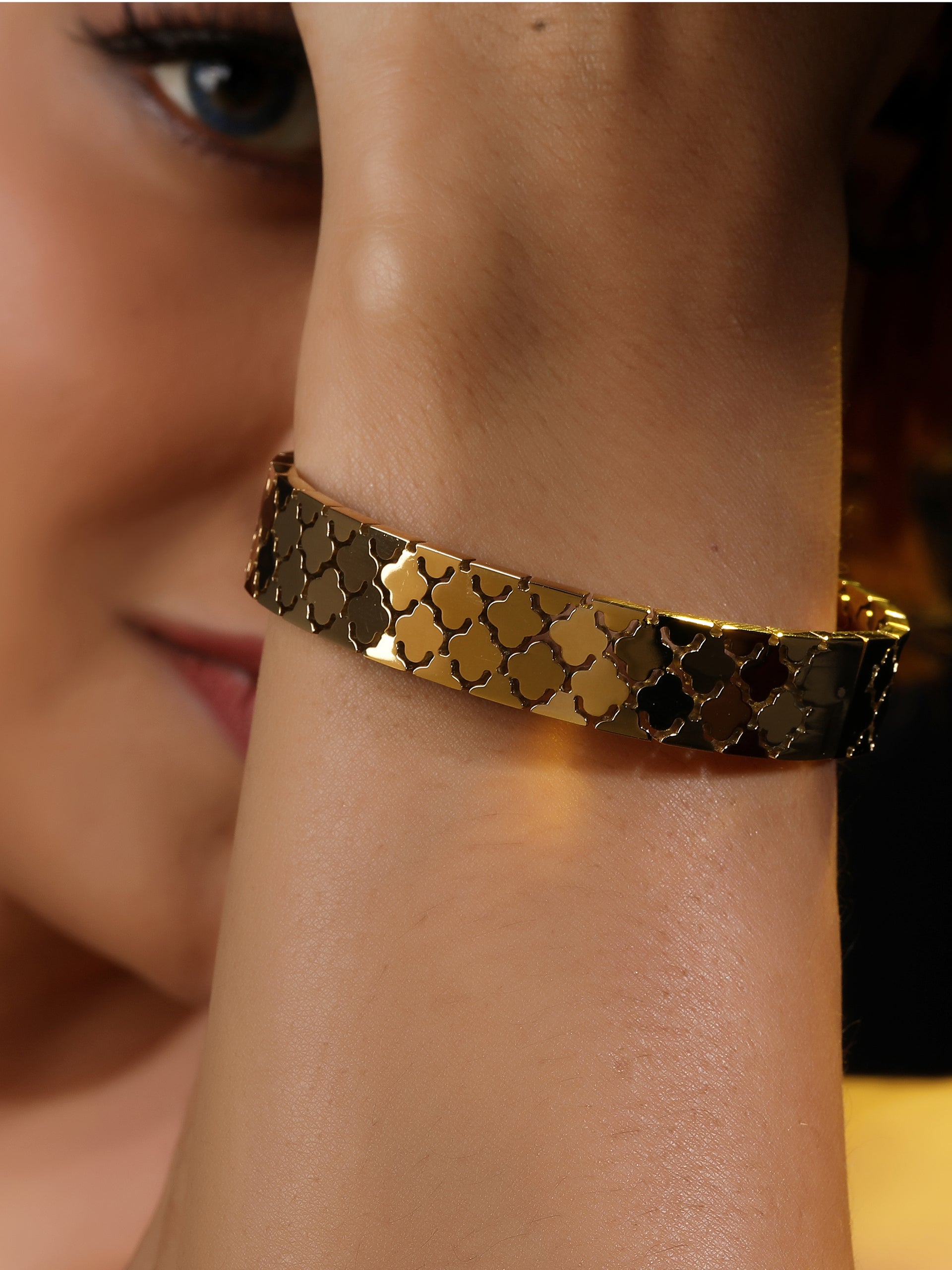
Whether it's a traditional design or a modern interpretation, a kada for women should always prioritize comfort. Look for designs with open backs or those that are adjustable to ensure a perfect, comfortable fit without pinching.
Evil Eye Bracelet for Women: A Protective and Sensitive Choice
The symbolism of an evil eye bracelet for women is beautiful, offering protection and warding off negativity. When choosing one, ensure the evil eye charm itself is set in a hypoallergenic metal, and that any chain or band is also skin-friendly. Many come on delicate chains, so pay attention to the material of the entire piece.
Diamond Bracelet: Sparkling Without the Snags
A diamond bracelet is an investment piece, and you definitely don't want it to cause discomfort! The diamonds themselves are not the issue, but the metal setting is crucial. Opt for platinum, 18K gold (with hypoallergenic alloys), or surgical stainless steel settings to ensure your sparkling arm candy doesn't come with an itchy aftermath. Ensure the prongs are smooth and won't snag on skin or clothing.
Kada Bangles: Finding the Perfect Fit for Your Wrist
Kada bangles are a classic. When buying a set or even a single bangle, consider the ease of slipping it on and off. If it’s too tight, it will cause friction. If it’s too loose, it might move around too much and cause irritation. Consider open-ended designs or those with secure clasps if you prefer a more custom fit.
Shopping Smart: Where to Find Skin-Friendly Kadas
Now that you're armed with knowledge, let's talk about where to find these skin-friendly treasures.
Reputable Retailers and Certifications
Always buy from reputable jewelers and retailers. They are more likely to provide accurate information about their materials and adhere to quality standards. Some jewelers might even offer certifications for their metals, assuring their purity and composition. Don't hesitate to ask questions about the metal alloys used.
Reading Reviews: The Experience of Others
Customer reviews can be a goldmine of information. Look for reviews that specifically mention comfort, durability, and any reactions experienced by other sensitive-skinned individuals. This can give you real-world insights before you buy.
Online Shopping Tips: Navigating the Digital Aisle (Mentioning Zeyraa.com)
When shopping online, look for detailed product descriptions that clearly state the materials used. Don't be shy about reaching out to customer service with questions if the information isn't clear. Many online retailers specialize in hypoallergenic jewelry.
For instance, if you're looking for exquisite pieces, including those perfect for sensitive skin, you might want to explore zeyraa. They offer a range of beautifully crafted jewelry, and it's always worth checking their material descriptions to see if they align with your needs.
Caring for Your Kada and Your Skin
Even the best kada needs a little TLC, and so does your skin!
Regular Cleaning: Your First Line of Defense
Over time, dirt, oils, and product residue can build up on your kada, potentially causing irritation. Regularly clean your jewelry with a mild soap and water solution and a soft cloth. Make sure to rinse thoroughly and dry completely to prevent moisture buildup.
Storing Your Kada Properly
Store your kadas in a clean, dry place, ideally in a jewelry box or pouch that prevents them from rubbing against other pieces. This helps prevent scratches and keeps them clean, reducing the chances of irritation when you wear them.
Listening to Your Skin: When to Take a Break
Ultimately, your skin knows best. If you feel any itching, redness, or discomfort, take your kada off immediately. Give your skin a break and let it recover before trying to wear the piece again, or consider if that particular piece is truly suitable for your sensitive skin. Sometimes, even with the "right" materials, a slight design flaw or even a change in your own skin's sensitivity can lead to a reaction.
Understanding Your Sensitivity: A Personal Journey
Choosing the best kada for sensitive skin is often a personal journey of trial and error. What works for one person might not work for another, even if both have "sensitive skin." Pay attention to your body, keep a mental note (or even a physical one!) of what materials cause a reaction, and gradually build a collection of jewelry that you can wear comfortably and confidently.
Conclusion
Having sensitive skin doesn't mean you have to forgo the joy of wearing beautiful jewelry. By understanding the common culprits, prioritizing hypoallergenic materials like surgical stainless steel, pure gold, titanium, and platinum, and paying attention to design and fit, you can find a stunning kada for women, a meaningful evil eye bracelet for women, a dazzling diamond bracelet, or classic kada bangles that feel as good as they look. Remember to shop smart, take care of your pieces, and most importantly, listen to your skin. Now go forth and adorn yourself with confidence and comfort!
FAQs
What's the absolute best metal for extremely sensitive skin?
For extremely sensitive skin, surgical stainless steel, pure platinum, and pure titanium are generally considered the safest options due to their high biocompatibility and very low likelihood of causing allergic reactions.
Can I still wear fashionable jewelry if I have sensitive skin?
Absolutely! Many brands, like those you might find on zeyraa, now specifically cater to sensitive skin by using hypoallergenic materials. You don't have to compromise on style; you just need to be more selective about the materials.
How can I tell if a kada contains nickel before buying it?
Always check the product description or ask the retailer directly about the metal composition. If they can't confirm it's nickel-free, it's best to assume it might contain nickel and avoid it if you have a known allergy. Some jewelers might also have a nickel test kit.
My skin reacts to sterling silver. What could be the reason?
While sterling silver is mostly pure silver, the remaining 7.5% is often copper. Some individuals can have a sensitivity to copper, which might be causing your reaction. In such cases, surgical stainless steel, titanium, or platinum would be better alternatives.
Is it possible for my skin to become sensitive to a metal I used to wear without issues?
Yes, unfortunately. Skin sensitivity can develop over time, or be influenced by other factors like hormonal changes, stress, or even prolonged exposure to a particular irritant. If you notice a reaction, it's best to re-evaluate the jewelry and consider alternatives.