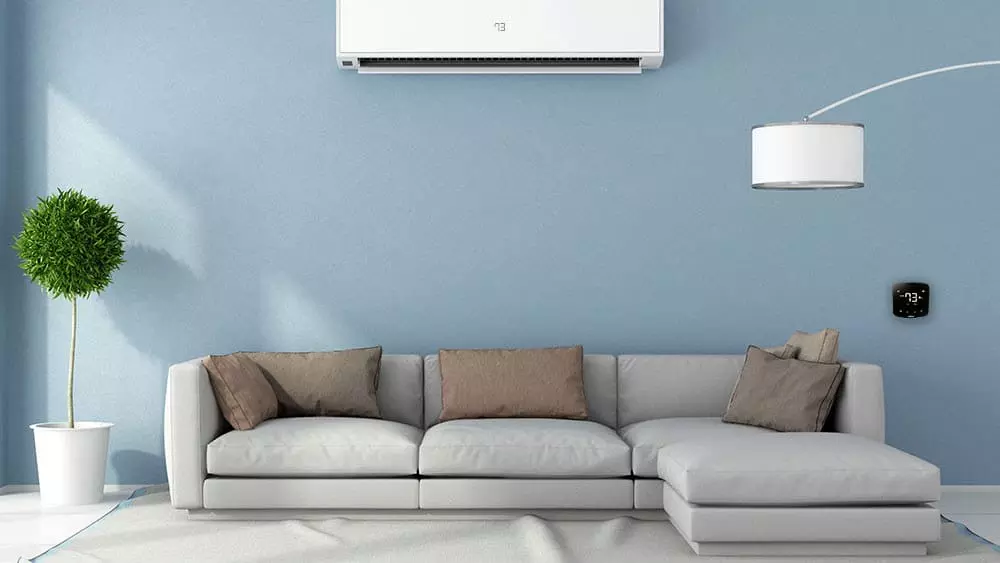
Where Climate Solution and HVAC Fit in Modern Architecture 2026?
Modern buildings demand comfort, efficiency, and sustainability. Where Climate Solution and HVAC Fit in Modern Architecture 2026 defines future-ready construction strategies. Architects now prioritize energy efficiency, indoor comfort, and environmental responsibility. Choosing the best vrf company helps achieve these modern architectural goals effectively.
Urban expansion increases the demand for intelligent climate control. Where Climate Solution and HVAC Fit in Modern Architecture 2026 guides smarter building planning decisions. HVAC systems now integrate design, technology, and sustainability principles. Partnering with the best vrf company ensures advanced performance and long-term value.
Understanding Climate Solutions in Modern Buildings
Read: Exploring the Best Software Development Companies in
Climate solutions focus on maintaining indoor comfort responsibly. They balance temperature, humidity, and air quality efficiently. Modern architecture requires systems that support sustainable living standards.
Key climate solution objectives include:
- Reduced energy consumption
- Improved indoor air quality
- Lower carbon emissions
- Enhanced occupant comfort
The best vrf company provides solutions matching architectural and environmental requirements.
Role of HVAC Systems in Contemporary Architecture
HVAC systems are no longer hidden mechanical elements. They influence building layout, ceiling design, and space utilization. Architects now design structures around efficient HVAC placement.
Modern HVAC roles include:
- Supporting passive building strategies
- Enhancing thermal comfort
- Reducing operational energy costs
Selecting the best vrf company ensures seamless HVAC integration.
Why VRF Technology Dominates Modern HVAC Design
VRF systems offer superior control and flexibility. They adjust refrigerant flow based on zone demand. This results in precise temperature control and energy savings.
VRF advantages include:
- Individual zone control
- Reduced energy waste
- Quiet operation
- Compact system design
The best vrf company delivers advanced VRF solutions for complex buildings.
How Architects Integrate HVAC with Building Aesthetics
Modern architecture values clean lines and open spaces. HVAC systems must complement these visual goals. Designers integrate concealed ducting and compact outdoor units.
Architectural integration strategies include:
- Slim indoor units
- Hidden piping routes
- Minimal visual impact designs
Collaboration with the best vrf company improves both aesthetics and performance.
Energy Efficiency and Sustainable Climate Solutions
Energy efficiency defines modern building success. Climate solutions must align with green building standards. HVAC systems contribute significantly to energy performance ratings.
Energy-saving features include:
- Inverter-driven compressors
- Heat recovery systems
- Smart thermostatic controls
The best vrf company focuses on sustainable HVAC engineering.
Smart Buildings and Intelligent HVAC Controls
Smart buildings rely on automation and data analytics. HVAC systems integrate with building management systems. This allows real-time monitoring and control.
Smart HVAC benefits include:
- Automated temperature adjustments
- Predictive maintenance alerts
- Remote system management
Choosing the best vrf company supports intelligent building operations.
Importance of Choosing the Best VRF Company
System quality depends on design, installation, and service. An experienced VRF company ensures long-term reliability. Poor installation reduces system efficiency significantly.
A reliable VRF company offers:
- Professional system design
- Certified installation teams
- Ongoing maintenance support
- Energy optimization expertise
The best vrf company protects your investment.
HVAC Zoning for Residential and Commercial Spaces
Different spaces require different comfort levels. Zoning allows independent temperature control per area. This improves comfort and reduces energy consumption.
Zoning benefits include:
- Personalized comfort settings
- Reduced operational costs
- Improved system efficiency
The best vrf company designs zoning strategies effectively.
Climate Solutions for High-Rise and Mixed-Use Buildings
High-rise buildings present unique HVAC challenges. Mixed-use spaces require diverse climate requirements. VRF systems adapt well to these complexities.
Effective solutions include:
- Vertical piping flexibility
- Simultaneous heating and cooling
- Space-saving equipment
Partnering with the best vrf company ensures performance consistency.
Future Trends in Climate Solution and HVAC Systems
HVAC technology continues evolving rapidly. Future systems focus on automation and sustainability. Architectural designs will demand even smarter solutions.
Upcoming HVAC trends include:
- AI-based climate optimization
- Net-zero energy systems
- Advanced heat recovery technologies
- Eco-friendly refrigerants
The best vrf company stays ahead of these innovations.
Frequently Asked Questions (FAQs)
What is a VRF HVAC system?
A VRF system controls refrigerant flow for multiple indoor units. It provides precise temperature control and energy efficiency.
Why are VRF systems popular in modern architecture?
They offer flexibility, zoning, and compact designs. These features suit modern architectural requirements.
How does HVAC affect building design?
HVAC influences ceiling height, layout, and space planning. Early integration improves design efficiency.
What makes a company the best VRF company?
Expert design, certified installation, and reliable service define quality. Experience with modern buildings also matters.
Are VRF systems suitable for residential buildings?
Yes, VRF systems work well in villas and apartments.
They provide comfort and energy savings.