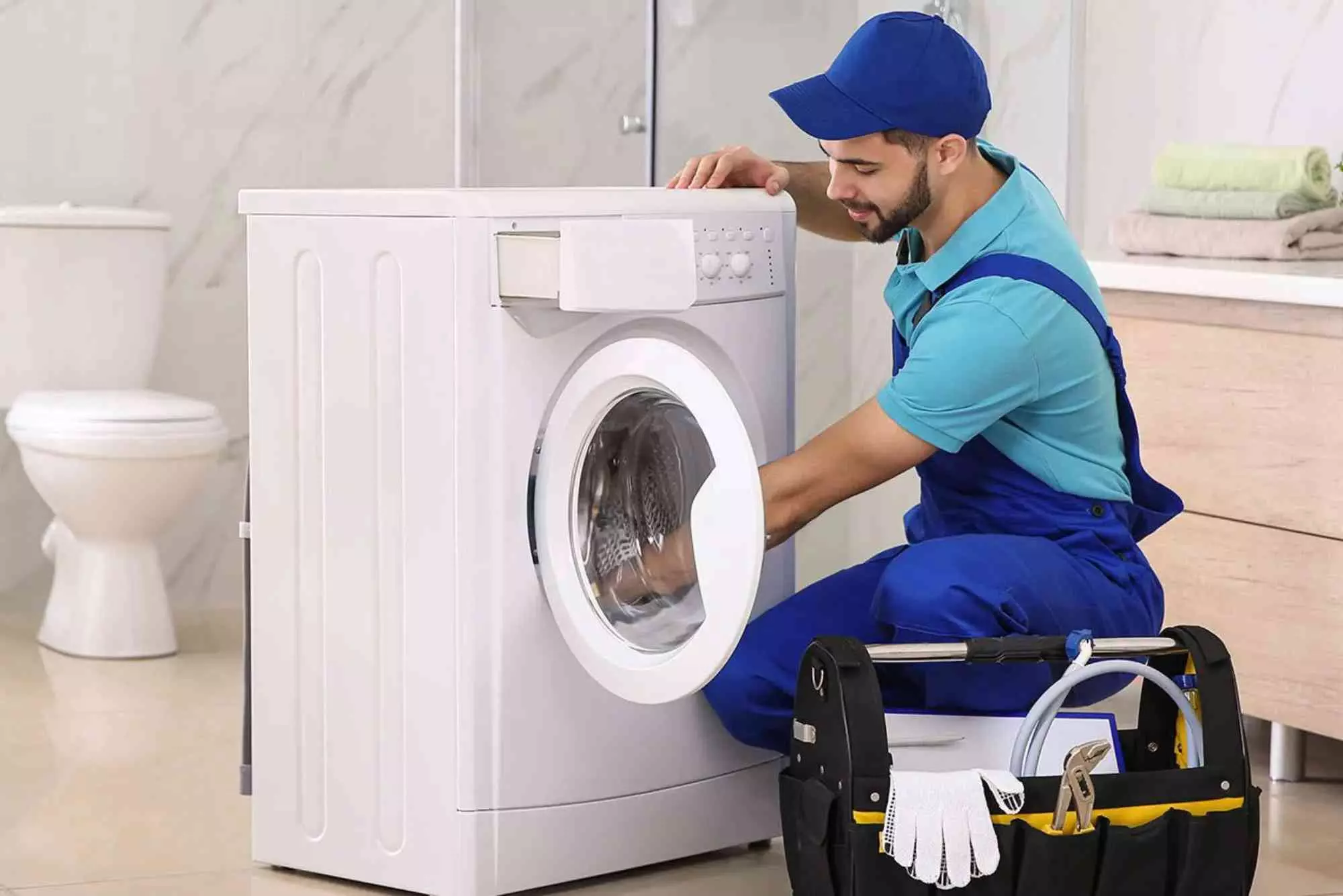
When to Call for Washing Machine Repair Services
Does your washing machine vibrate excessively during spin cycles? Maybe you've noticed water puddles forming underneath, or your clothes emerge still soaking wet. These telltale signs indicate something's amiss with your appliance.
Recognizing when your machine needs professional attention versus simple home fixes saves time and money.
Some problems are straightforward to address yourself, while others demand expert intervention. This guide helps you identify issues and understand when calling professionals becomes necessary.
Recognizing Problem Indicators
Persistent Water Leakage Issues
Discovering water pooling beneath your washing machine isn't something to ignore. Even minor leaks gradually damage flooring and encourage mold development in your laundry area.
Front-loading machines commonly develop seal problems around their doors. These rubber components crack and deteriorate, particularly in hot climates where temperatures stress materials constantly.
Supply and drainage hoses sometimes loosen or crack under continuous pressure. High-pressure supply lines can burst unexpectedly, while drain connections work themselves free from vibration.
Internal pump malfunctions occasionally cause mysterious leaks. When pumps fail, water finds escape routes through unexpected openings in the machine's housing.
Unusual Operational Noises
Standard washing machines produce familiar, rhythmic sounds during normal operation. New or alarming noises suggest mechanical problems developing inside your appliance.
Washing Machine repair experts frequently diagnose bearing failures from grinding or rumbling sounds. These critical support components deteriorate gradually from constant rotational stress and water exposure.
High-pitched squealing typically indicates belt-related complications. Drive belts stretch, crack, or slip off their pulleys, creating distinctive screeching sounds during operation.
Violent banging during high-speed spinning points to balance or suspension issues. Worn shock absorbers or uneven loads cause dramatic shaking and loud impacts.
Inadequate Cleaning Performance
Completing a full wash cycle only to find clothes still dirty creates real frustration. This cleaning failure stems from various mechanical or functional problems.
Detergent dispensers clogged with residue prevent soap from entering the wash properly. Built-up deposits block the flow pathway, leaving clothes without adequate cleaning agents.
Temperature regulation failures affect washing effectiveness significantly. Cold water arriving instead of hot prevents proper detergent activation and stain removal.
Agitator or drum movement problems mean clothes don't receive necessary scrubbing action. Motor issues or transmission failures prevent proper washing motion.
Drainage System Failures
Finding standing water remaining after cycle completion indicates drainage problems. Trapped water leaves clothes waterlogged and creates unpleasant musty odors inside the drum.
Washing Machine repair technicians commonly find blocked pumps preventing proper water evacuation. Small objects, lint accumulation, and fabric fibers obstruct pump mechanisms over time.
Twisted or compressed drain hoses restrict water flow completely. Checking behind your machine might reveal kinked hoses preventing proper drainage function.
Completely failed pump motors require replacement to restore drainage capability. These electrical components eventually burn out from extended use and require professional replacement.
Benefits of Professional Service
Electrical Safety Expertise
Washing machines combine water and electricity in potentially hazardous configurations. Trained technicians possess knowledge to handle these dangers safely during repairs.
Water-damaged electrical components create serious shock hazards that DIY repairs risk encountering. Professionals use proper safety equipment and procedures when working with wet electrical systems.
Correct grounding and circuit protection require specialized understanding. Technicians verify safe electrical connections that prevent dangerous situations during and after repairs.
Modern electronic control systems demand specialized diagnostic equipment and knowledge. Improper handling damages expensive circuit boards beyond economical repair.
Comprehensive System Knowledge
Contemporary washing machines incorporate intricate mechanical and electronic components working in coordination. Understanding these interconnected systems requires substantial training and experience.
Drive mechanisms transferring motor power to drum rotation involve complex mechanical assemblies. Diagnosing transmission problems requires understanding these sophisticated linkages.
Computerized control boards manage every machine function through programmed sequences. Testing these systems needs specialized diagnostic tools unavailable to most homeowners.
Warranty Protection Value
Attempting personal repairs on newer machines typically voids manufacturer warranty coverage. Professional service maintains these valuable protections for future issues.
Insurance claims for water damage may require documented professional repairs. DIY attempts complicating insurance situations can result in denied coverage.
Licensed repair services carry liability insurance protecting you from damages. If repairs go wrong, their insurance coverage addresses potential complications.
Selecting Quality Services
Essential Provider Qualities
Look for technicians specializing specifically in laundry appliances rather than general appliance repair. Washing machine expertise requires focused experience and training.
Verify proper business licensing and comprehensive liability insurance coverage. These credentials protect you legally and demonstrate professional legitimacy.
Quick response availability matters tremendously when your machine stops working. Reliable services schedule appointments within one or two days for urgent situations.
Transparent pricing policies and written warranties on completed work indicate quality operations. Reputable companies stand behind their repairs with meaningful guarantees.
Important Questions to Ask
Inquire about their specific experience with your machine's brand and model. Brand familiarity dramatically improves diagnostic accuracy and repair speed.
Ask whether diagnostic fees apply toward final repair costs or stand separately. Understanding fee structures prevents surprise charges after service completion.
Learn about their parts sourcing practices and quality standards. Services using genuine manufacturer parts provide better long-term reliability than generic alternatives.
Request detailed written estimates breaking down parts, labor, and additional fees. Complete pricing transparency prevents unwelcome surprises at payment time.
Preventive Maintenance Strategies
Daily Care Practices
Leave your machine's door ajar between uses to promote air circulation. This simple habit prevents mold and mildew growth inside the drum and door seal.
Always check clothing pockets before loading items for washing. Coins, tissues, and small objects damage pumps and create blockages in drainage systems.
Use manufacturer-recommended detergent quantities rather than excessive amounts. Too much soap creates buildup affecting machine performance and requiring eventual cleaning.
Distribute laundry evenly throughout the drum before starting cycles. Proper load balance reduces stress on suspension components and prevents excessive vibration.
Monthly Maintenance Routines
Run empty hot water cycles with white vinegar monthly to remove buildup. This cleaning dissolves soap residue and mineral deposits affecting performance.
Remove and thoroughly clean detergent dispenser drawers. Accumulated residue restricts proper detergent flow and creates odor problems.
Inspect all hoses for visible wear, cracks, or bulging sections. Replace compromised hoses before they fail completely and cause flooding damage.
Wipe door seals clean and remove trapped debris regularly. Hair, lint, and small items accumulate in seal folds, promoting mold growth.
Frequently Asked Questions
What are the most common washing machine problems?
The most frequent issues include drainage failures, unusual noises, water leaks, and inadequate cleaning performance. These problems typically stem from worn components, clogged systems, or electrical failures requiring professional diagnosis.
How much does washing machine repair typically cost?
Repair costs generally range from $150 to $400, depending on the problem and required parts. Simple fixes like hose replacements cost less, while motor or control board repairs are more expensive.
Should I repair or replace my washing machine?
If your machine is under 8 years old and repair costs are less than half the replacement price, repairing makes financial sense. Consider the machine's overall condition and frequency of previous repairs.
Can I repair my washing machine myself?
Simple issues like cleaning filters, checking hoses, or resetting breakers are DIY-friendly. However, electrical components, mechanical systems, and complex diagnostics require professional expertise for safety and effectiveness.
How long do washing machine repairs take?
Most repairs complete within 1-3 hours, depending on problem complexity and parts availability. Simple repairs finish quickly, while ordering specialized parts may extend the timeline.
Making Informed Decisions
When washing machine problems arise, understanding your options helps you choose the best solution. Recognizing when professional help becomes necessary protects your appliance investment and household safety.
Quality repair services combine technical expertise with specialized tools that home repairs typically lack. Professional diagnosis identifies root causes rather than just addressing symptoms for lasting solutions.