When Should You Consider Treatment for Genital Warts?
David noticed a small bump that didn’t seem important at first. It wasn’t painful, so he ignored it, thinking it would disappear on its own.
A few weeks later, the bump hadn’t gone away. In fact, it had become slightly more noticeable. This made him wonder whether he should finally get it checked.
Many people experience this same hesitation. Genital warts often begin as small, harmless-looking growths. Because they don’t always cause immediate discomfort, it’s easy to delay treatment. However, understanding when to take action is important for both comfort and health.
“Early attention can prevent small issues from becoming bigger concerns.”
Understanding Genital Warts
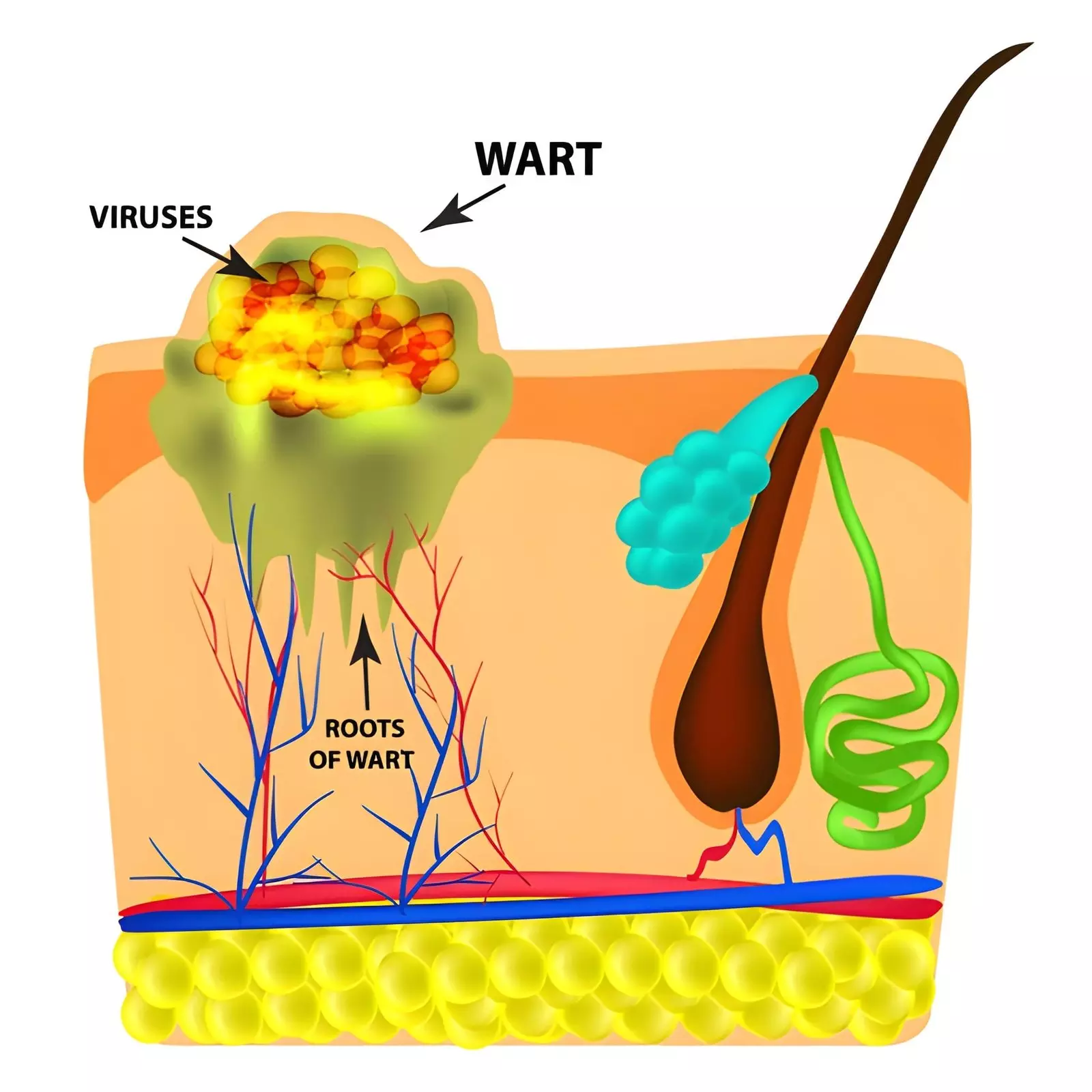
Genital warts are small skin growths caused by certain types of the human papillomavirus (HPV). They usually appear in intimate areas and can vary in size and number.
- HPV infection: Certain low-risk strains of HPV are responsible for causing genital warts on the skin.
- Skin-to-skin spread: The virus is passed through close contact, especially in sensitive areas.
- Small bumps: Warts may appear as soft, raised growths that can be difficult to notice at first.
- Cluster formation: Sometimes multiple warts appear together, forming small groups.
- Slow development: Warts may take time to become visible after infection.
- Sensitive location: These growths occur in areas where the skin requires careful treatment.
Although they are usually not dangerous, they should still be taken seriously.
Why Timing Matters in Treatment
One of the most common questions people ask is when they should actually seek treatment. The answer often depends on changes in the condition over time.
At a Harley Street dermatology clinic in London, specialists often recommend early consultation because it helps avoid complications and makes treatment more manageable.
- Early diagnosis: Identifying the condition early helps confirm it before it spreads further.
- Simpler treatment: Smaller warts are easier to treat compared to larger or multiple ones.
- Reduced discomfort: Early care prevents irritation or sensitivity from developing.
- Lower risk of spread: Treating early can help limit the spread to nearby skin.
- Better cosmetic results: Early removal reduces the chances of visible marks.
- Peace of mind: Getting professional advice helps reduce stress and uncertainty.
Taking action at the right time makes a big difference.
Signs That Indicate You Should Seek Treatment
There are certain signs that clearly indicate it’s time to consider treatment.
- Warts increasing in size: Growth over time suggests that the condition is progressing.
- Multiple warts appearing: More bumps developing in nearby areas can indicate spread.
- Persistent growths: Warts that do not go away after weeks should be examined.
- Discomfort or irritation: Itching, sensitivity, or mild pain may develop.
- Visible changes: Warts becoming more noticeable can affect confidence.
- Uncertainty: If you are unsure about the condition, it’s always best to get it checked.
Recognising these signs early helps avoid unnecessary complications.
What Happens If You Delay Treatment?
Delaying treatment may seem harmless, especially if the warts are not painful. However, waiting too long can lead to several issues.
- Spread of warts: The virus may cause more warts to appear over time.
- Increase in size: Existing warts may grow larger and harder to manage.
- More complex procedures: Advanced cases may require more than one treatment session.
- Longer recovery: Delayed care may lead to extended healing time.
- Increased discomfort: Larger warts may become irritated due to friction.
- Emotional stress: Ongoing concerns about the condition can affect confidence.
Acting early often keeps treatment simple and effective.
Treatment Options Available
Modern dermatology offers several safe and effective ways to treat genital warts. The method used depends on the size, number, and location of the warts.
- Cryotherapy: Freezing the wart tissue causes it to gradually fall away over time.
- Laser treatment: Focused light removes the affected cells with precision.
- Electrocautery: Controlled heat is used to destroy wart tissue safely.
- Topical medication: Prescription creams help break down the warts gradually.
- Minor surgical removal: Larger warts may require careful removal by a specialist.
- Combination methods: In some cases, more than one technique is used for better results.
Patients looking for genital wart removal treatment in London often choose professional clinics because of the safety and precision these methods provide.
“Timely treatment leads to smoother results and fewer complications.”
What to Expect During Treatment
Many people feel nervous about treatment, but most procedures are simple and quick.
The affected area is first examined carefully. The chosen treatment method is then applied in a controlled and safe manner. Most procedures take less than thirty minutes.
After treatment, mild redness or sensitivity may occur, but this usually improves within a short time. Following aftercare instructions helps ensure proper healing.
Tips for Managing the Condition Safely
Taking simple precautions can help improve your experience and results.
- Seek professional advice early: Do not wait for symptoms to worsen.
- Avoid self-treatment: Home remedies may cause irritation or delay proper care.
- Maintain hygiene: Keeping the area clean helps support healing.
- Follow medical guidance: Proper instructions ensure better recovery.
- Monitor changes: Keep track of any increase in size or number.
- Stay informed: Understanding your condition helps you make confident decisions.
These steps support safe and effective treatment.
Read: How Do Strawberries Benefit the Male Body
FAQs
1. When is the best time to treat genital warts?
The best time is as soon as you notice persistent or growing bumps.
2. Can I wait if the warts are not causing pain?
It is not recommended, as they may grow or spread over time.
3. Are genital warts easy to treat in early stages?
Yes, early-stage warts are usually easier to manage.
4. How long does treatment take?
Most treatments are quick and completed in a short session.
5. Will the warts go away without treatment?
Some may disappear on their own, but treatment helps remove them safely and faster.
Final Thoughts
Genital warts may seem minor in the beginning, but they can change over time. Knowing when to consider treatment helps prevent unnecessary discomfort and complications.
Early care not only makes treatment easier but also helps maintain skin health and confidence. Delaying treatment may lead to more complex procedures, while timely action keeps the process simple and manageable.
If you notice any changes or feel unsure, seeking professional advice is always the safest step.
“The right time to act is when you first notice something unusual.”