When Families Begin Looking for Help in Samana
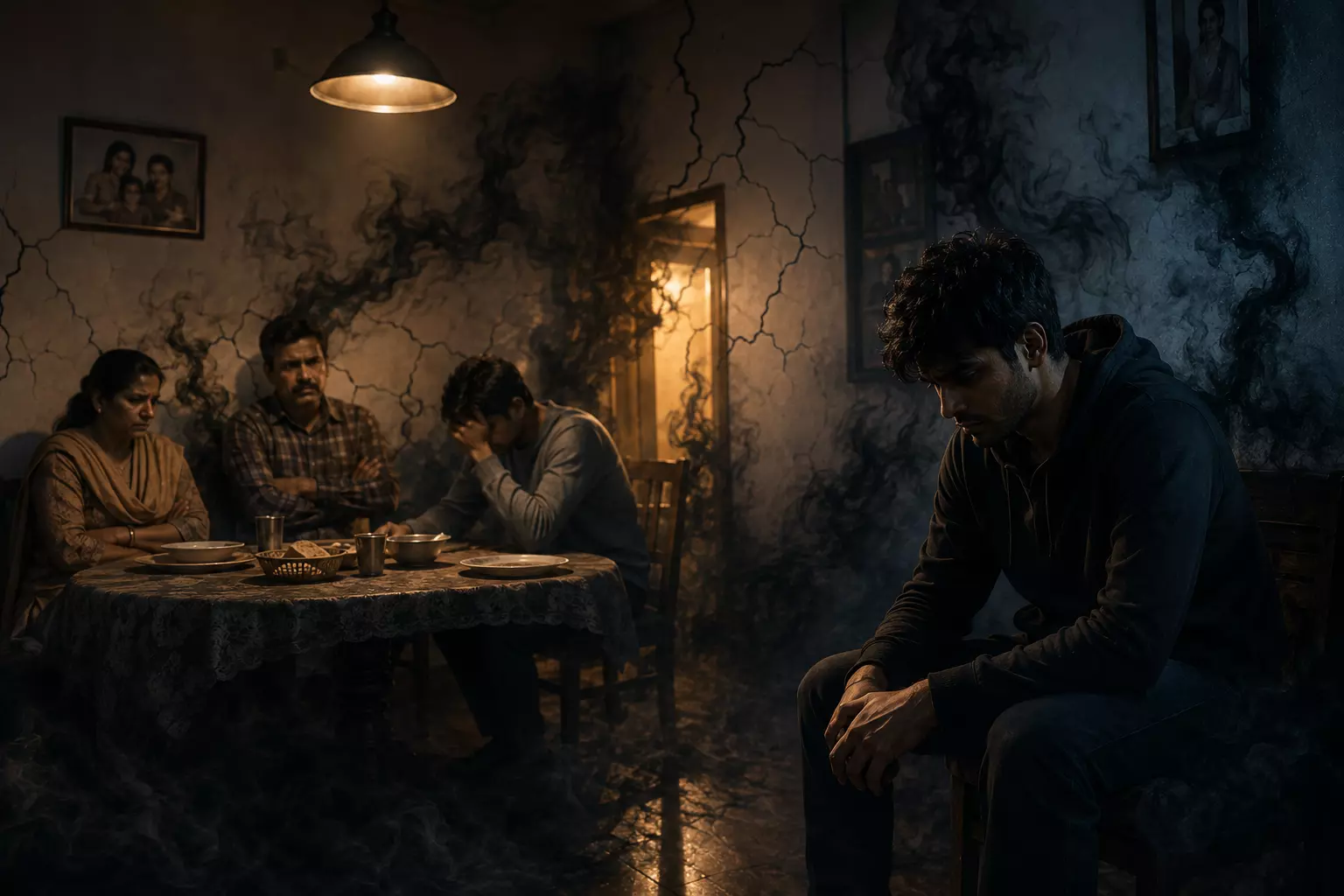
Some families notice addiction slowly. Others feel it arrive all at once. A change in behavior. Sleepless nights. Missing money. Quiet tension at home that nobody really knows how to talk about. In smaller towns like Samana, many people still hesitate to ask for help openly, even when things begin falling apart behind closed doors.
What makes addiction harder is that it rarely affects only one person. Parents carry stress silently. Partners lose trust little by little. Children often become confused by emotional distance they cannot explain. Over time, daily life starts revolving around crisis management instead of normal routines.
Why Structured Recovery Support Matters
Many people believe recovery simply depends on willpower. Families often hear promises like “I’ll stop tomorrow” or “I can handle this myself.” Sometimes those promises are genuine. Yet addiction changes emotional balance, routine behavior, and physical health in ways that are difficult to manage without proper support.
That is why families searching for rehabilitation options often look for stable environments where healing can happen gradually instead of through pressure or shame. A professional recovery center usually combines medical observation, emotional counseling, routine building, and long-term support together.
While exploring rehabilitation options, some families researching a trusted nasha mukti kendra in samana often focus on places that encourage emotional safety, family participation, and practical recovery planning instead of temporary fixes alone.
Read: Top Rated Nasha Mukti Kendra in Rajpura Your Path to a
The Emotional Side of Recovery Often Gets Ignored
Addiction treatment is not only about stopping substance use. Emotional exhaustion sits underneath many struggles people face during recovery. Guilt, frustration, anxiety, isolation — these feelings do not disappear overnight.
Healing Usually Happens in Small, Everyday Moments
Sometimes progress looks simple from the outside. Someone starts eating regularly again. Sleep improves. Conversations become calmer. A person begins showing interest in ordinary life after months of emotional withdrawal. Families often notice these small changes before bigger recovery milestones appear.
Support systems matter deeply during this stage. When relatives remain patient and involved, recovery tends to feel less lonely and more sustainable over time. Emotional consistency can help people regain confidence slowly without feeling constantly judged.
Recovery Support Works Best With Family Understanding
Many rehabilitation programs now include family counseling because addiction affects household dynamics too. Loved ones also need guidance, emotional clarity, and practical coping tools. Without support, families themselves can become emotionally overwhelmed.
A healthier recovery environment usually includes:
- Emotional support without constant blame.
- Stable routines and healthier communication.
- Professional counseling during difficult phases.
- Guidance for handling relapse risks calmly.
- Long-term encouragement after treatment ends.
People recovering from addiction often respond better when they feel understood instead of isolated. That emotional difference matters more than many realize.
Hope Often Returns Gradually
Families searching for help are usually not looking for perfection. Most are simply hoping life can feel stable again. Recovery is rarely instant, and setbacks sometimes happen along the way. Still, proper treatment, emotional support, and structured care can slowly rebuild confidence and daily balance.
In many cases, the hardest step is simply beginning the conversation and accepting that outside support may be needed. Once that happens, healing often feels more possible than it first seemed.