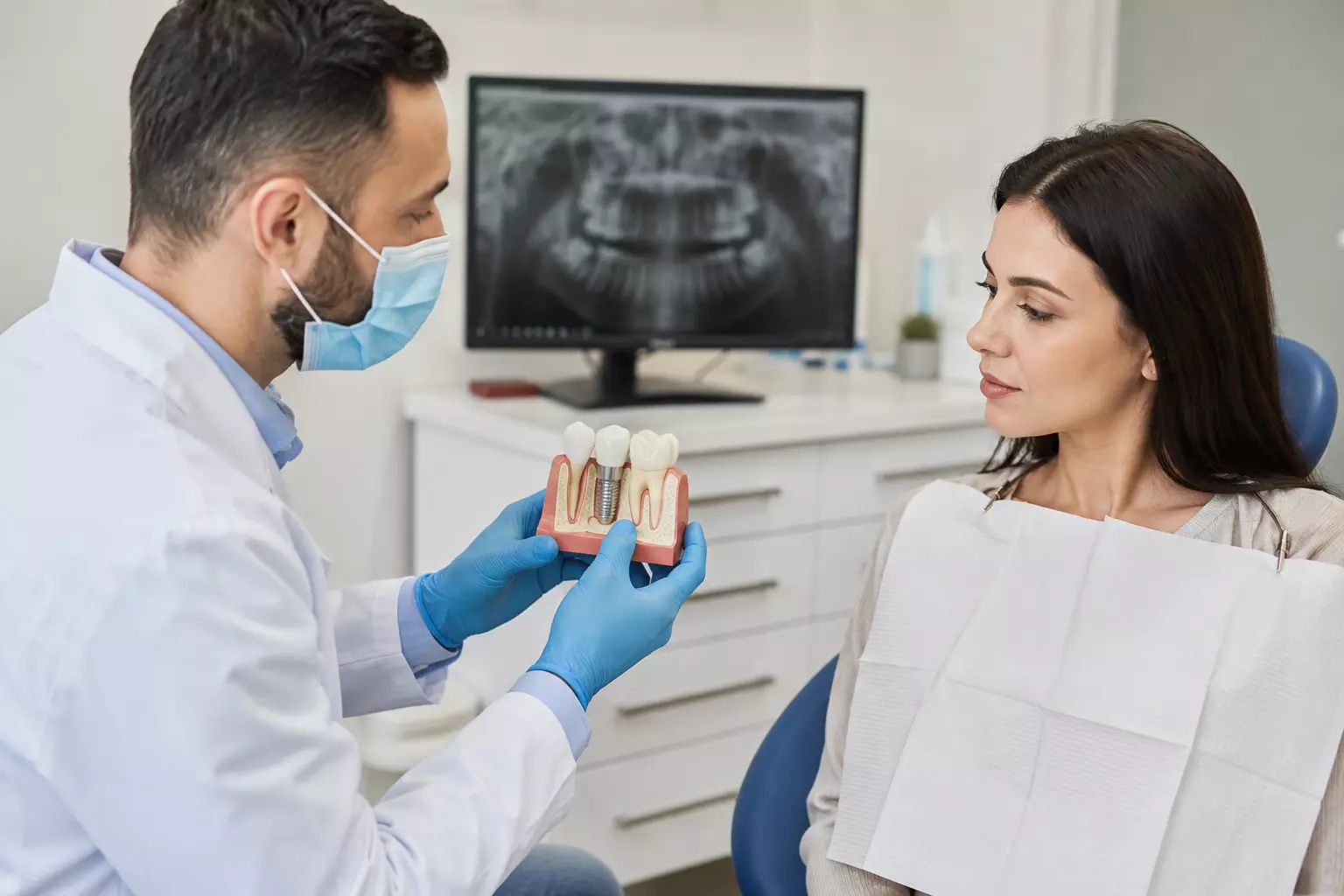
When Are Emergency Dental Implants the Right Choice?
Nobody expects to deal with a cracked tooth on a Friday night. Or take a hit during a basketball game and suddenly find themselves discussing dental implants. That’s usually how these situations begin quickly, unexpectedly, and often with a hefty price tag attached.
The reality is that emergency dental implants have become a practical solution for people who can’t afford to wait months while living with a missing tooth. And yes, many patients worry about the cost before they even know what treatment options are available.
Nobody plans for a cracked tooth on a Friday night. Or getting hit during a basketball game and suddenly needing an implant conversation you never expected to have. That’s usually how this stuff starts. Fast. Messy. Expensive too, sometimes.
The truth is, emergency dental implants have become a real option for people who can’t sit around waiting months with a missing tooth. And yeah, a lot of patients panic about the cost before they even understand what’s possible.
That’s where dental health insurance plans start becoming part of the conversation. Some plans help more than people think. Others barely touch implant work. Kinda frustrating honestly. Still, knowing how emergency implants work and how insurance may cover them can save you from making rushed choices that cost more later.
Why Emergency Dental Implants Exist in the First Place
Years ago, losing a tooth meant dealing with a bridge or removable denture for a while. Maybe forever. Not anymore. Emergency dental implants are designed for situations where time matters. Trauma, sudden infection, broken teeth below the gumline, severe decay, all of it can push somebody into needing immediate treatment.
The short answer is this: emergency implants are often about preserving bone and preventing bigger problems later. When a tooth disappears, the jawbone starts shrinking faster than most people realize.
Dentists know this. So in certain cases, placing an implant quickly can help stabilize everything before the mouth changes shape. That matters more than people think.
And let’s be real, people care how they look too. Walking around with a front tooth missing affects confidence fast. Work meetings. Dating. Talking normally. It gets awkward in a hurry.
Not Everyone Is Automatically a Candidate, And That Surprises People
A lot of folks assume you can walk into a clinic and get an implant the same day no matter what. Doesn’t really work like that. Dentists still need enough healthy bone and healthy gum tissue. If infection is too severe or bone damage is extensive, treatment may need stages instead of instant placement.
Smoking can complicate things too. Diabetes sometimes slows healing. Grinding teeth at night can create problems later if it isn’t addressed. Good dentists won’t just rush because someone wants fast results. They check the bigger picture first.
Still, modern implant dentistry has come a long way. Same-day dental implants are more common now than they were even ten years ago. Technology helped. Better imaging. Better materials. Better surgical planning. Patients recover faster than many expect, honestly.
Dental Health Insurance Plans Confuse Almost Everybody
Insurance paperwork feels designed to annoy humans. That’s just the truth. One dental health insurance plan may partially cover implants while another labels them “cosmetic.” Even when implants are medically necessary. Makes zero sense sometimes.
Many people don’t realize medical insurance and dental insurance can overlap in emergencies. For example, if facial trauma from an accident caused tooth loss, medical coverage may help with parts of the procedure. Surgery. Imaging. Sedation. Hospital-related costs. Then dental insurance might handle restorative portions afterward.
But every provider is different. Every policy has weird little exclusions buried in fine print nobody reads until panic time. Waiting periods are another issue. Some plans won’t pay for major procedures until you’ve held the policy for a year or more. So yeah, checking benefits early matters.
Immediate Implants Versus Traditional Implant Timelines
Traditional implants usually involve extraction first, healing second, implant placement later. Sometimes months later. Emergency dental implants compress that timeline where possible. That doesn’t mean corners get cut though. Good implant work still depends on precision.
In many cases, the damaged tooth gets removed and the implant placed the same appointment. Temporary teeth may even be attached quickly so patients leave without a visible gap. People hear that and assume recovery must be brutal, but honestly, most describe soreness more than unbearable pain.
The bigger challenge is healing discipline afterward. Soft foods. Good hygiene. No smoking. Follow instructions properly. Sounds simple until people ignore it because they “feel fine” after three days. Then complications show up.
The Cost Conversation Nobody Loves Having
Implants cost money. No way around it. Emergency procedures can cost even more because they involve urgency, imaging, surgery coordination, maybe sedation too. Patients often walk in terrified they’ll never afford treatment. Some delay care because of it, which usually creates larger bills later.
Dental health insurance plans sometimes reduce portions of the cost, but coverage caps can still leave large balances. Annual maximums are notorious for this. A plan may cover part of the extraction but not the implant crown. Or cover diagnostics but exclude bone grafting. It gets complicated fast.
Many dental offices now offer financing because they understand most families aren’t casually sitting on thousands of dollars for surprise surgery. Monthly payment plans help people move forward without wrecking their finances overnight. Truth is, delaying treatment often creates even higher expenses later from infections or shifting teeth.
Bone Loss Starts Faster Than Most People Expect
This part catches people off guard. After tooth loss, bone shrinkage starts almost immediately. The body basically decides that area no longer needs support and begins resorbing bone tissue. Sounds harsh because it kinda is.
Emergency dental implants can sometimes prevent major collapse in facial structure by keeping stimulation in the jawbone. That’s one reason dentists push for timely treatment when possible. Especially with front teeth. Bone loss changes appearance slowly at first, then more noticeably over time.
Patients who wait years sometimes require grafting procedures before implants even become possible. More appointments. More healing. More money. So while emergency treatment sounds intense, sometimes it actually simplifies things long-term.
Fear of Dental Surgery Is Still Extremely Common
You’d be shocked how many adults avoid implant consultations because of fear. Childhood dental experiences stick with people. One bad extraction thirty years ago and suddenly they assume implant surgery will be horrible too.
Most patients say the anticipation was worse than the actual procedure. Sedation options help a lot. Local anesthesia today is more advanced than older generations experienced. Recovery instructions are clearer too. Ice packs, rest, anti-inflammatory medication, soft foods, it’s manageable for most people.
The emotional side matters too though. Losing a tooth unexpectedly can feel embarrassing. Some people smile differently overnight. They stop talking as much. It sounds dramatic until you watch confidence disappear after dental trauma. Dentists who understand that human side usually make the process less stressful.
Choosing the Right Dentist Matters More Than Advertising
Every clinic says they do implants now. Doesn’t mean experience levels are equal. Emergency dental implants require planning, surgical skill, restorative understanding, and sometimes coordination with specialists. Patients should ask questions even during urgent situations.
How many implant cases does the office handle regularly? Do they use 3D imaging? What happens if bone grafting becomes necessary? Is sedation available? Those conversations matter. A flashy website alone means nothing.
Some offices rush consultations because they’re chasing volume. Others take time explaining realistic expectations. Go with the place that treats you like a human being instead of a production line. Sounds obvious, but people panic during emergencies and forget to slow down enough to evaluate who’s treating them.
Recovery Isn’t Instant Even When Results Look Fast
Social media makes implant treatment look almost magical. Walk in missing teeth, walk out smiling perfectly. Reality’s a little less glamorous. Even with same-day implants, healing still takes time under the surface.
The implant has to fuse with bone through a process called osseointegration. Fancy word, important process. That bond is what gives implants long-term stability. Rushing chewing pressure too early can jeopardize healing.
Some swelling is normal. Minor bleeding sometimes too. Most people return to work pretty quickly though, especially for single implants.
Full recovery depends on the complexity of the procedure and how well instructions get followed afterward. Patients who baby the healing phase usually end up happier long-term.
Read: What Are Dental Implants: How They Restore Your Smile?
Dental Insurance Plans Are Changing Slowly, But Still Lagging Behind
More insurance companies are beginning to acknowledge implants as standard care instead of luxury treatment. Slowly being the key word there. Traditional dentures used to dominate because implants were newer and far more expensive decades ago.
Now implants are considered one of the most predictable long-term tooth replacement options available. Yet many dental health insurance plans still treat them like premium extras. Patients notice the disconnect. Dentists definitely notice it too.
Some employers now offer upgraded dental plans that include implant benefits with higher annual maximums. Flexible spending accounts and health savings accounts also help offset costs for many families. It takes effort to understand these options though. Insurance companies rarely volunteer extra helpful information without prompting.
The Emotional Impact of Restoring a Smile Is Bigger Than People Expect
Here’s something dentists see constantly but insurance spreadsheets never capture. People change emotionally after restoring missing teeth. They smile wider. Speak more confidently. Eat normally again without overthinking every bite.
A missing tooth affects more than appearance. It affects comfort, confidence, social interaction, even nutrition sometimes. Emergency dental implants aren’t just cosmetic fixes. For many patients, they feel like getting normal life back quicker than expected.
And honestly, that emotional relief matters. Especially after traumatic accidents or painful infections. Being able to look in the mirror and not immediately focus on damage anymore, that changes people.
Why Acting Fast Usually Leads To Better Outcomes
The longer dental emergencies sit untreated, the messier they tend to become. Infection spreads. Teeth shift. Bone shrinks. Pain escalates. People try ignoring it hoping things settle down on their own, but teeth rarely cooperate that way.
Emergency dental implants can sometimes stop that downward spiral early. Not every patient qualifies immediately, sure. But getting evaluated quickly gives dentists more treatment options while conditions are still manageable.
Waiting until pain becomes unbearable often limits choices. And costs more too. The smartest move is usually getting professional evaluation early, even if treatment decisions happen afterward.
FAQs
Are emergency dental implants painful?
Most patients describe pressure and soreness more than sharp pain during the procedure. Local anesthesia and sedation options help a lot. Recovery discomfort is usually manageable with proper aftercare and medication.
Do dental health insurance plans cover emergency implants?
Some do partially, some barely help at all. Coverage depends on the provider, policy details, waiting periods, and whether the implant is considered medically necessary.
How long does an emergency dental implant procedure take?
Single implant procedures may take one to two hours depending on complexity. Full treatment and healing still continue for several months underneath the surface.
Can I get a tooth extracted and implanted the same day?
Yes, in many cases. Same-day dental implants are possible when bone quality and gum health are strong enough for immediate placement.
Where should I go if I need emergency dental implant treatment?
Visit Alamo Family Dentistry to start your consultation and learn what treatment options make the most sense for your situation.